

IVF injections are one of the most critical steps in fertility treatment. These hormone shots stimulate your ovaries to produce multiple eggs, regulate ovulation, and prepare your body for embryo transfer.
Your clinic will provide you with clear instructions on how and when to take your medications, as well as what to avoid during IVF injections, to ensure your safety and maximize your chances of success.
This guide explains what to expect during IVF stimulation, so you can prepare for this challenging period.
What not to do during IVF stimulation
Because IVF stimulation involves potent hormones, certain missteps can affect your comfort, treatment experience, or outcomes. Here’s what to avoid:
Skipping or missing injections
Eating a poor diet
Drinking alcohol
Smoking or taking recreational drugs
Taking specific medications and supplements
Doing high-intensity exercise
Ignoring stress triggers and sleep needs
1. Why you shouldn’t skip or miss IVF injections
Taking your injections at the same time every day helps maintain a stable hormonal environment, which influences the number and maturity of your eggs. Even minor deviations can affect how your ovaries respond and the timing of ovulation.

Source: Anete Lusina
Missing one shot is usually not catastrophic, especially early in your cycle. Clinics rarely cancel a cycle for a single missed dose. But skipping a dose towards the end of your cycle is more critical and could affect egg development or require adjusting your retrieval schedule. If you miss more than one shot, your cycle may be cancelled.
In case you are less than three hours late taking your shot, you can take the dose as usual. But if you miss a shot entirely or more than three hours have passed, here’s what to do:
Call your clinic. Your care team will advise whether to skip, adjust, or continue your schedule.
Don’t double-dose, unless instructed. Taking extra medication can increase the risk of complications like ovarian hyperstimulation syndrome.
Plan for next doses. Use alarms, checklists, or apps to avoid missed injections.
The one shot you can’t miss is the trigger shot. It’s extremely time-sensitive because it tells your eggs when to prepare for retrieval. Even slight delays can impact your egg collection.
2. What not to eat during IVF stimulation
What you eat during IVF stimulation can support your reproductive health or make it harder for your body to respond to treatment. Certain foods and drinks can negatively affect egg quality, ovulation, and overall IVF outcomes.
You should abstain from:
Processed foods: Including processed meat (bacon, sausages, and hot dogs), canned goods, packaged biscuits, pastries, chips, partially hydrogenated oils, and fried food. These contain preservatives, trans fats, and additives that can negatively impact egg and sperm quality, disrupt ovulation, and affect metabolic health.
Excess sugar: High sugar intake can increase insulin resistance, disrupt menstrual cycles, and reduce pregnancy rates. It’s especially important for women with PMOS (formerly known as PCOS).
Carbonated drinks: Sodas and fizzy drinks can spike blood sugar, increasing the risk of insulin resistance and hormone imbalances.
High-mercury fish: King mackerel, swordfish, and tuna, as well as other high-mercury species, can negatively impact reproductive health.
Refined grains: White bread, pasta, and white rice can spike blood sugar and reduce the chances of IVF success.
While meat isn’t unhealthy, high meat intake has been linked to ovulatory dysfunction, so you should limit it and supplement it with vegetable protein.

Source: Mart production
What to eat during IVF stimulation
Research suggests that a Mediterranean-style diet (rich in fruits, vegetables, whole grains, lean protein, nuts, seeds, and healthy fats) can improve IVF outcomes. It provides essential vitamins, minerals, and antioxidants that protect eggs from oxidative stress and support overall reproductive health.
Key nutrients include:
Omega-3 fatty acids: Found in fish, walnuts, and flax or chia seeds, omega-3s reduce inflammation and may improve egg quality, hormone balance, and embryo development later.
Antioxidants: Vitamin C and E, carotenoids, and polyphenols help neutralize free radicals, protecting eggs and supporting early embryo health. Bright fruits and vegetables are excellent sources.
Folate and B-vitamins: Found in leafy greens, legumes, and avocado, folate supports egg development and reduces the risk of neural tube defects.
Here are some healthy options to support egg quality, hormone balance, and overall fertility:
Food group | IVF-friendly options |
|---|---|
Healthy fats |
|
Lean protein |
|
Fruit and vegetables |
|
Whole grains |
|
Can you drink coffee during IVF stimulation?
Moderate caffeine intake (approximately 200mg per day) is generally safe. In fact, caffeine possesses antioxidant and anti-inflammatory properties, making it beneficial. However, higher intake may increase the risk of:
Miscarriage
Low birth weight
Limit your coffee intake to one cup per day or consider switching to low-caffeine alternatives like decaf or chicory coffee.

Source: Andrea Piacquadio
Can you drink tea during IVF treatment?
Like coffee, tea can be a good source of antioxidants, but some types (especially green and black tea) contain caffeine, so moderate consumption is advised.
Some herbal teas can be a calming, caffeine-free option during IVF, but “natural” doesn’t always mean safe in the context of conception or pregnancy.
Rooibos and chamomile teas are generally considered low-risk for most people when used in moderation, though you should still confirm with your doctor if you have specific medical conditions or take medications.
Hibiscus tea and concentrated turmeric teas/supplements have less safety data in people trying to conceive or who are pregnant. Because of concerns about potential uterine effects and blood-pressure changes, many experts recommend avoiding or limiting them unless your fertility or obstetric provider explicitly approves.
Always review any herbal teas or supplements with your fertility team; they can help you decide what is safe for your particular situation.
Importantly, both tea and coffee contain polyphenols, which may impact iron absorption, so you should avoid them one hour before and after meals.
3. Can you drink alcohol while taking IVF medication?
During IVF treatment, especially while taking injections and other medications, it’s best to avoid alcohol entirely because it can:
Interfere with hormonal balance
Dehydrate your body, which is especially concerning during IVF, when your body needs optimal hydration to respond to medications
Reduce your chances of success
An extensive study including over 2,500 couples undergoing IVF found that women who drank four or more alcoholic drinks per week had a 16% lower chance of live birth compared to women who had fewer.
When both partners consumed at least four drinks weekly, the odds of a live birth were 21% lower than in couples who drank less.
Additionally, alcohol consumption during pregnancy is well known to cause a range of physical, cognitive and behavioral abnormalities. Even prior to conception, studies suggest that alcohol long before conception can still negatively affect fetal development.

Source: Kampus production
4. Why you should quit smoking and recreational drugs
Even occasional cigarette or marijuana use can alter hormone balance, damage egg (and sperm) quality, and increase the risk of pregnancy loss.
A study of over 200 couples undergoing IVF found that smoking reduced both pregnancy and live birth rates. Couples who smoked had:
Fewer eggs retrieved (up to 46% fewer when women smoked near the time of stimulation)
2.4 times higher risk of not achieving pregnancy
3.7 times higher risk of not having a live birth
The harmful effects of smoking can persist for years after quitting, so it’s important to stop well before IVF treatment.
Evidence on marijuana use is mixed, but one study of 421 women found that marijuana smokers had more than double the risk of pregnancy loss compared to non-smokers.
5. Why avoid high-intensity exercise during IVF injections
During stimulation, your ovaries are working overtime to produce multiple follicles. As a result, they can become enlarged and tender. High-intensity exercise, like running, HIIT, or heavy lifting, puts extra stress on your body and increases the risk of complications such as:
Ovarian torsion: This rare but serious condition occurs when the ovary twists on its supporting tissues, cutting off the blood supply. Vigorous or twisting movements increase this risk.
Discomfort or injury: Enlarged ovaries are more sensitive, and high-impact activity can cause pain or slow recovery after stimulation.
Implantation risk: After egg retrieval and embryo transfer, engaging in strenuous activity may reduce the chances of the embryo implanting.

Source: Andrea Piacquadio
However, gentle, low-impact exercise can support IVF at any stage by improving circulation, reducing stress, and maintaining stable energy levels. Safe options include:
Walking
Swimming
Light yoga or stretching
Pilates or tai chi
Still, different clinics have different rules, as one Redditor shared:
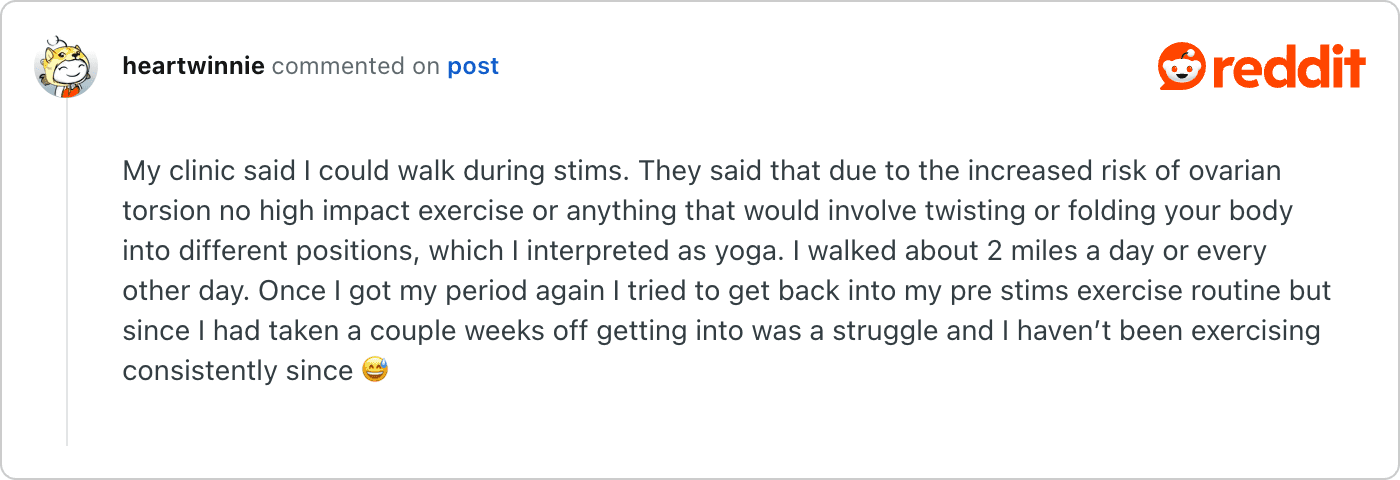
Full post: Reddit
You should follow the advice of your fertility team for the optimal result.
6. What medications and supplements to avoid during IVF injections
Even regular supplements may not be safe to take during IVF stimulation. Always inform your doctor about everything you’re using: prescription drugs, pain killers, allergy medications, antacids, and herbal supplements.
Usually, what’s safe in pregnancy is also safe in IVF, but only if your doctor confirms it.
The list below includes medications that may need adjustment, closer monitoring, or substitution during IVF. Do not change or stop any prescribed medication without discussing it with your fertility doctor or the prescribing clinician.
Medications to avoid | Examples | Why avoid them |
|---|---|---|
Pain relievers |
|
|
Cold and allergy meds |
|
|
Heartburn and nausea meds |
|
|
Constipation and diarrhea meds |
|
|
Supplements and herbal remedies |
|
|
Although not medications, you should also avoid topical products containing retinoids (Retin-A and retinol) or high-dose salicylic acid.
7. How ignoring stress and sleep needs impacts IVF stimulation
When under stress, your body releases high levels of cortisol, a hormone that can interfere with how you respond to fertility medications. A large review of IVF studies found that both chronic and acute stress negatively affected egg retrieval, and chronic stress could also influence fertilization and embryo transfer.
While stress doesn’t always directly lower pregnancy rates, its impact on early stages means it can still affect your overall chances.

Source: Andrea Piacquadio
Due to anxiety, hormonal changes, and treatment schedules, sleep problems are common during IVF. In one study, nearly half of the patients got less than seven hours of sleep, especially during stimulation and egg retrieval. Shorter sleep was associated with fewer eggs retrieved, while longer, higher-quality sleep was linked to an improved ovarian response.
With numerous details to pay attention to, IVF can become a challenging period. Even if you do everything right, failures can happen due to biological reasons, such as embryo aneuploidy or other genetic factors that standard monitoring can’t always detect.
On top of that, parents pursuing IVF are expected to juggle lifestyle changes, strict medication schedules, demanding logistics, and complex decisions, while trying to sleep well and stay calm during a process that can feel anything but certain.
That’s why it’s crucial to have professional guidance, walking you through every IVF step, from choosing the IVF clinic and following the best practices during your IVF injections to egg retrieval and embryo transfer.
Nucleus IVF+ takes the weight off your shoulders, handling the logistics and enabling you to focus on what matters most: your health, peace of mind, and path to parenthood. Start exploring here.
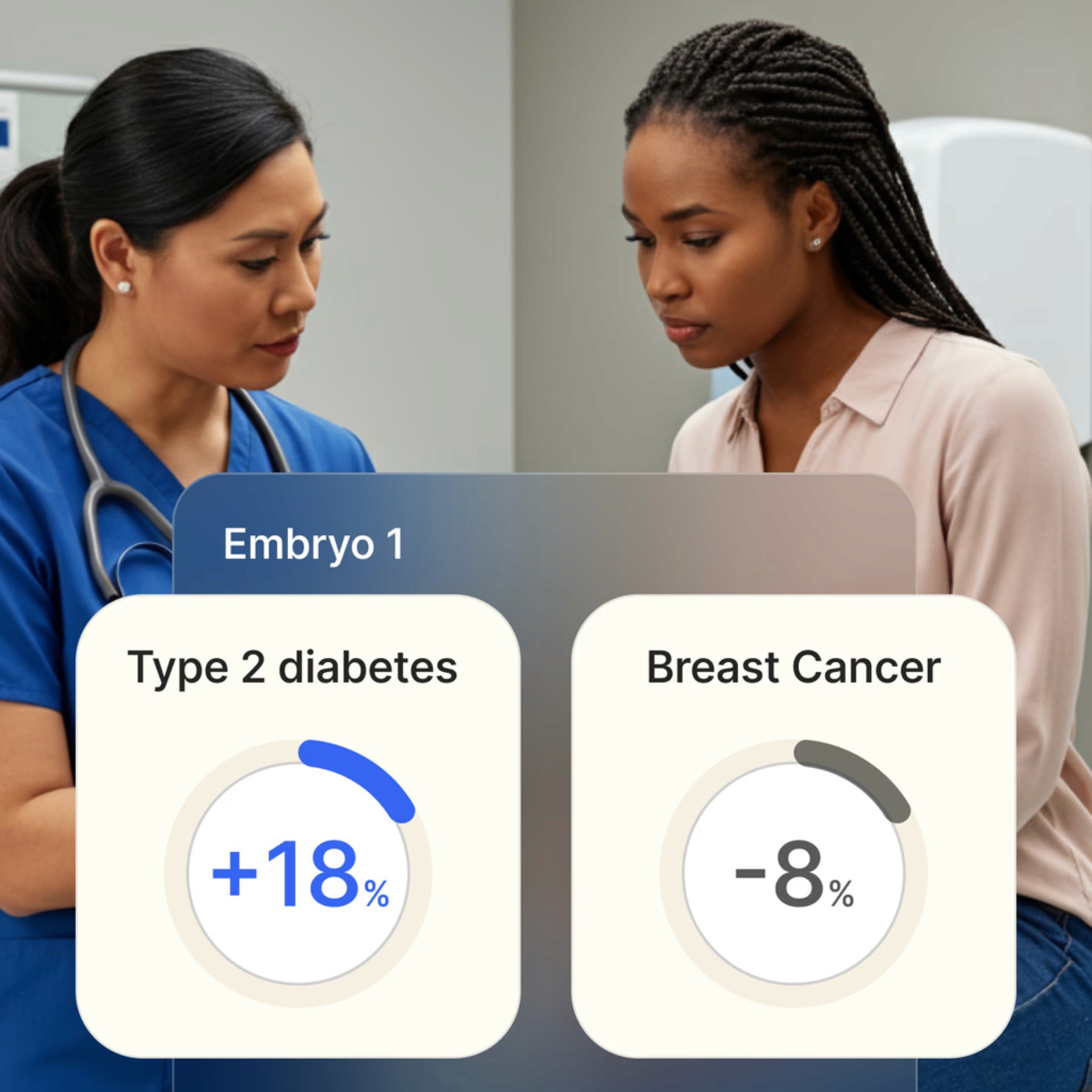
Nucleus IVF+: Journey to parenthood made simple
Nucleus IVF+ brings together everything you need for a smarter and less stressful IVF journey. It’s the first IVF package with genetic optimization and a human-centric approach at its core.
Here’s how Nucleus guides you through every stage of IVF with evidence-based insights and hands-on support:
Connect with a partner clinic that fits your medical needs and personal values.
Explore high-quality and genetically compatible sperm and egg donor options.
Test for over 2,000 genetic conditions with Nucleus Preview — a comprehensive whole-genome carrier screening before conception.
Get embryo optimization software to screen embryos for chromosomal abnormalities and look into their long-term genetic health and well-being.
Go through an entire IVF cycle, from stimulation to embryo selection and transfer, with tailored advice and support.

Nucleus IVF+ offers 24/7 support and unlimited sessions with genetic counselors to address your questions.
Book an onboarding call to get started.
You may also like…
Featured image source: Cottonbro studio