

Donor egg IVF offers a promising path to parenthood for those unable to use their own eggs. It’s a highly successful option and shouldn’t be perceived as a last resort but as an empowered and deliberate choice to achieve a healthy pregnancy.
This guide explores how IVF with donor eggs works, who can benefit from it, associated costs and success rates, as well as what to consider when choosing an egg donor.
What is donor egg IVF, and who’s it for?
Donor egg IVF is the process of using eggs from a donor to create embryos through in vitro fertilization (IVF). These embryos are then transferred into the uterus of the intended mother or a gestational carrier.
IVF using donor eggs may be recommended for:
Women with:
Diminished ovarian reserve
Poor response to fertility medications
Age-related infertility issues (especially over 40)
Ovaries that can’t produce healthy eggs
Weak ovarian function after undergoing cancer treatment
Women without a uterus or ovaries
Same-sex male couples and single fathers with a gestational carrier
Families looking to avoid passing on known genetic conditions
Couples who have experienced multiple failed IVF cycles

Source: Agung Pandit Wiguna
Who can become an egg donor?
Egg donation is highly regulated, with strict eligibility standards and rigorous screening requirements in place to ensure safety. Your donor can be someone you know, or you can opt for an anonymous donor through a donor bank or agency.
Most programs require that donors must:
Be between 21 and 31 years old, but some agencies allow up to 34 years old
Be physically healthy, with no significant medical or psychiatric conditions
Be non-smokers and drug-free
Have no history of substance abuse
Have a healthy BMI (between 19 and 29)
Have regular menstrual cycles
Have both ovaries
Pass extensive medical, genetic, and psychological evaluations
Be willing to take injections
Hold at least a high school diploma or GED
What does the donor egg IVF process look like?
Every IVF journey is unique, but the process generally follows the same broad steps. Here’s what to expect from a typical donor egg IVF cycle:
Selecting a donor: You can work with your fertility clinic, a dedicated egg donation agency, or an egg bank to review comprehensive donor reports, which can include detailed medical and genetic history, personal information, photographs, and personal essays (optional).
Synchronizing cycles: In a fresh donor cycle, the donor undergoes ovarian stimulation for approximately 10–14 days to enhance egg production and maturation. Mature eggs are retrieved through a minor surgical procedure under light sedation. Simultaneously, the intended mother or gestational carrier prepares her uterine lining with estrogen and progesterone to improve receptivity.
Fertilization: The donated eggs are combined with sperm from the intended father or sperm donor immediately after retrieval. It can be achieved through conventional insemination (where sperm is placed near the egg) or intracytoplasmic sperm injection (ICSI), in which a single sperm is directly injected into an egg to maximize fertilization chances.
Embryo development: The fertilized eggs are monitored closely as they develop over the next 5–7 days. At this point, they reach the blastocyst stage, exhibiting a clear distinction between cells that will develop into the fetus and those that will become the placenta.
Transfer: Guided by ultrasound, the physician gently places the selected embryo into the uterus. Remaining healthy embryos can be cryopreserved for potential future use.
About two weeks later, a beta hCG test is performed to measure pregnancy hormone levels. If the result is positive, repeat blood tests will follow to ensure the pregnancy is progressing, and finally, an ultrasound to confirm a fetal heartbeat.
Fresh or frozen donor eggs for IVF?
Once you decide to pursue IVF with donor eggs, consider whether to use fresh or frozen eggs. Both can lead to a healthy pregnancy, but they differ in availability, cost, timing, and the number of eggs you’ll receive.
Fresh donor cycles were once the only option, although it can be challenging to sync the uterus to be receptive at the right time. Today, rapid advancements in freezing technology, specifically vitrification, have made frozen donor eggs a highly successful and increasingly popular alternative.
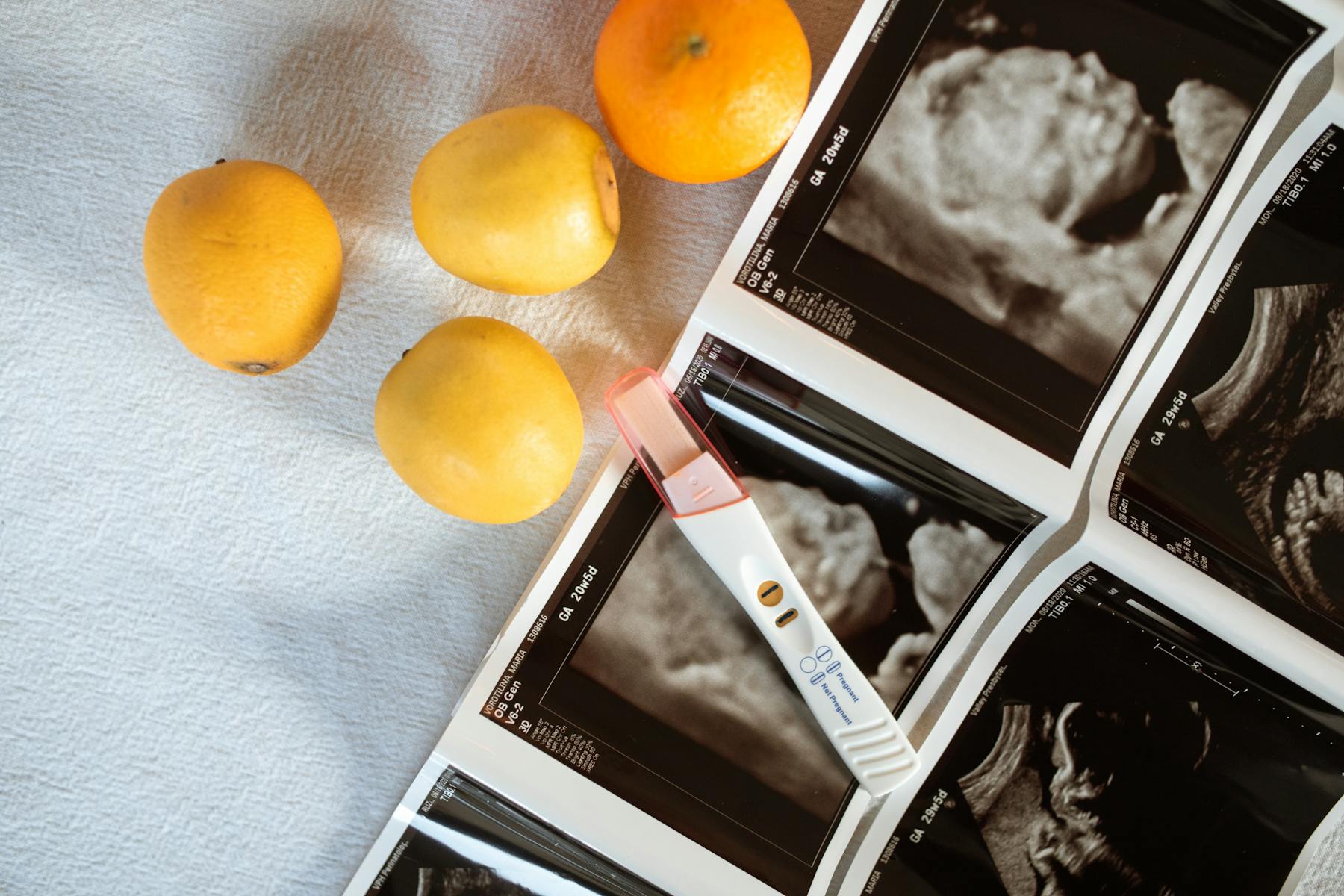
Fresh and frozen donor eggs achieve similar live birth rates. In 2022, U.S. averages were 38.7% for fresh eggs and 38.9% for frozen eggs per cycle. Some clinics may report higher success rates with fresh embryos, but that is partly because more embryos are available.
Source: RDNE stock project
Let’s see how they compare in the sections below.
1. Fresh donor egg IVF cycle
Fresh cycles typically yield 15–20 eggs, all of which are reserved for a single recipient. As a result, several embryos can be developed from the same retrieval, increasing the chance of success and the likelihood of future sibling pregnancies.
Here is a quick overview of the pros and cons of fresh donor egg IVF:
Pros | Cons |
|---|---|
|
|
2. Frozen donor egg IVF cycle
Frozen donor eggs are collected from donors in advance, cryopreserved, and stored in donor egg banks. You obtain a cohort of eggs that are shipped to your local IVF clinic. Each cohort typically has 6–8 eggs since eggs collected during retrieval are shared among multiple families.
Most frozen eggs survive thawing, but ICSI is the only option because freezing alters the egg’s shell, which may make it difficult for sperm to penetrate it.
Below are the pros and cons of frozen egg donor IVF:
Pros | Cons |
|---|---|
|
|
What is the cost of IVF with donor eggs?
Using donor eggs for IVF adds significant costs to the process. Depending on your choices, donor egg IVF can range from about $20,000 to over $60,000 per cycle.
Most insurance policies don’t cover donor egg IVF. Even in states with fertility mandates, where the fertility treatment for the intended parent is included, donor cycles are often excluded. Always check directly with your insurer and/or HR department about the particular policies.
Some clinics and third-party lenders offer financing plans for various aspects of IVF. Employers may also provide fertility benefits programs through companies like Progyny or Carrot.
What’s the psycho-emotional impact of using donor eggs for IVF?
Studies of couples and individuals considering egg donation show a wide spectrum of responses, from grief and resistance at the beginning to gradual acceptance, hope, and joy once a child is born. Understanding these emotional stages can help you prepare for this demanding process.

Source: Andrea Piacquadio
When it comes to navigating the emotional and psychological landscape of IVF with donor eggs, consider the following aspects:
Ambiguous loss in donor egg IVF
Genetic mirroring and epigenetics
Relationship dynamics between partners undergoing IVF with donor eggs
1. Ambiguous loss in donor egg IVF
Many intended mothers report an initial sense of loss when donor eggs are first suggested. The idea of not having a child genetically related to them can bring feelings of guilt, inadequacy, and sadness. This reaction is called ambiguous loss, grieving something intangible, like the genetic link, while still holding on to the hope of parenthood.
One study showed that women often took eight months to two years between first hearing about donor eggs and feeling ready to proceed. During this period, frustration and sadness were common, but with time, these emotions softened as families shifted their focus toward the goal of having a child.
Therapy and open conversations are key coping tools. Over time, most families find that the bond built through pregnancy, birth, and caregiving matters more than shared DNA.
2. Genetic mirroring and epigenetics
A concern many intended parents share is the concept of genetic mirroring, the natural, often unconscious, process of seeking and finding familiar traits, mannerisms, and aptitudes in their child.
But resemblance goes beyond genetics. Nurtured traits, shared habits and values, environment, and love shape a child’s identity as much as DNA. Although your baby’s genetic blueprint comes from the donor egg and the sperm provider, that’s not the whole story.
Thanks to epigenetics, we now know the birth mother plays a much bigger role than once thought. Epigenetics examines how genes are activated or inactivated in response to environmental influences. During pregnancy, your womb is the environment.
Tiny molecules called microRNAs send signals from your uterine lining to your growing baby, influencing how genes function. That can affect everything from growth and immunity to long-term health and development. Your baby may not carry your DNA, but your body helps shape which parts of the donor’s DNA are expressed.

Source: Pixabay
3. Relationship dynamics between partners undergoing IVF with donor eggs
Using donor eggs for IVF can bring new dynamics into relationships. It may raise questions about identity, family legacy, or whose genetic connections are passed on.
Most couples move forward, showing that the desire to have a baby often outweighs the lack of a genetic link. Many partners find it helpful to talk openly about fears, hopes, and how decisions will be shared. Counseling and therapy can help you raise, discuss, and resolve any concerns before and during the process.
How to choose an egg donor for IVF
When selecting the right IVF donor, some families focus on physical resemblance, others prioritize health history, or focus on education or shared values. The choice is individual, but there are general factors to consider:
Anonymous, ID-release, or known donor: Some families prefer anonymous donors, where no identifying information is shared, because it offers privacy and avoids future conflict about the donor’s role. ID-release donors let children access their identity once they reach adulthood; a good option if you want your child to have a choice later in life. Known donors allow you to build a relationship and foster closeness, but this may blur the boundaries between familial roles.
First-time or repeat donors: A repeat donor may seem like a safe option because they’ve gone through the process before. But what matters most is egg quality, and multiple stimulations don’t guarantee better results.
Physical traits and ethnicity: Many intended parents choose donors with similar physical features, such as eye and hair color, height, or ethnicity. But genetics is unpredictable, and children may look completely different.
Education, lifestyle, and personality: For some families, achievements and personality traits carry as much weight as physical resemblance. Some may also consider shared values, religious background, or cultural heritage.
Genetic compatibility: Every person carries recessive genes that typically cause no issues unless both parents pass down the same variant of these genes. That’s why both the egg donor and sperm provider should undergo preconception genetic testing.
Importance of genetic testing and compatibility in donor egg IVF
Genetic testing in IVF with donor eggs helps minimize health risks, guide decision-making, and give you confidence in your journey to parenthood. It ensures that the donor and the embryos created are carefully screened to reduce the chance of passing on serious genetic disorders. It can also increase the chances of IVF success by identifying embryos with lower risks for chromosomal abnormalities.
Three types of genetic testing available during IVF are:
Carrier screening: These tests look for hundreds of recessive genetic conditions. It helps you choose a donor whose genes are compatible with yours and minimize the risk of passing on genetic conditions like cystic fibrosis, hemophilia, or muscular dystrophy.
Preimplantation genetic testing: These tests are performed on embryos before transfer to the uterus to ensure embryos are free from chromosomal abnormalities. The main options are:
PGT-A, which checks whether embryos have the correct number of chromosomes
PGT-SR, which looks for unbalanced chromosomal rearrangements
PGT-M, which screens for serious genetic disorders when parents are known carriers
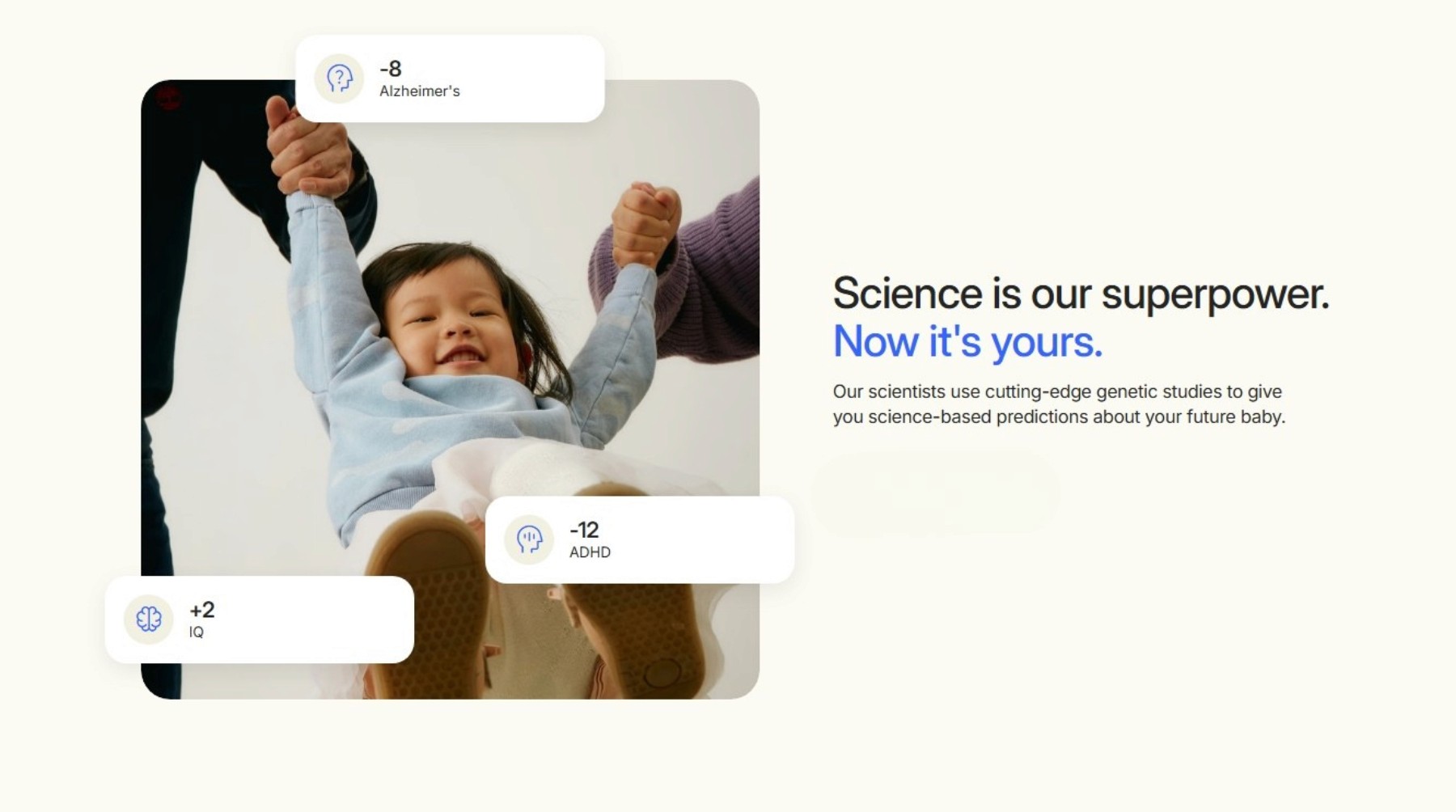
PGT-P or polygenic embryo screening, which looks at how multiple genes interact to influence long-term health outcomes and risk of developing chronic, late-onset conditions like diabetes and heart disease.

Source: Vidal Balielo Jr.
IVF is highly demanding, but once donor gametes are involved, everything becomes even more complicated. Between donor screening, carrier testing, PGT, finances, and the day-to-day logistics, you can easily get overwhelmed.
Having someone guide you through required testing, donor selection, and related medical procedures can alleviate the burden and allow you to make informed choices. You can get this with Nucleus IVF+, an all-inclusive IVF package designed for personalized IVF care.
Nucleus IVF+: Simplifying donor egg IVF
Nucleus IVF+ is an all-in-one IVF platform combining genetic optimization and human support.
Nucleus integrates multiple layers of genetic testing and expert insights into a single patient-friendly platform, offering:
Donor matching: Access a network of preferred egg donors to ensure genetic compatibility.
Comprehensive carrier screening: Get screened for over 2,000 inherited conditions with Nucleus Preview.
Clinic matching: Connect with world-class physicians and clinics with proven success rates.
Complete IVF cycle: Go through every stage of your IVF cycle with expert guidance.
Embryo screening and analysis: See beyond chromosomal health and viability, compare your embryos’ long-term health potential with genetic optimization software, and choose the strongest one for transfer.
24/7 support: Reach out to genetic counselors and fertility specialists to help you understand your options, answer questions, and give you clarity whenever you need it, regardless of your IVF stage.
Personalized health insight for you: Understand your own health and risk factors and get comprehensive reports with actionable tips to protect your well-being and be there longer for your child.
Book a consultation with the Nucleus team and find out how we can help you on your path to a family of your dreams.
You may also like…
Featured image source: Vika Glitter