
San Francisco is one of the most queer-affirming places in the world, and that inclusivity extends to fertility care. However, selecting the right fertility clinic in the area still requires careful consideration.
LGBTQ+ couples and single parents often need fertility treatment that goes beyond standard IVF. Specialized solutions include reciprocal IVF, double-donor cycles, gestational surrogacy, and fertility preservation or hormone-related support for trans and nonbinary parents.
There’s also donor and surrogacy coordination and navigating parentage laws, and not every clinic has the same experience or legal competence to guide you through this journey.
This San Francisco LGBTQ+ fertility clinic guide will discuss:
What legal protections California offers
Five Bay Area clinics with a good track record of supporting queer family building
Legal rights of LGBTQ+ parents in San Francisco, California
California has one of the strongest legal protections for LGBTQ+ families in the U.S. The state grants them nearly the same rights and responsibilities as heterosexual couples. Non-discriminatory laws help LGBTQ+ families get equal access to:
Fertility treatment
Donor gametes
Surrogacy
Parentage rights
Starting January 1, 2026, the California Senate Bill 729 (SB 729) will expand fertility insurance coverage by redefining infertility to include same-sex couples, single parents, and transgender individuals.
How to evaluate an LGBTQ+ fertility clinic in San Francisco
Finding a fertility clinic as an LGBTQ+ couple or individual isn’t only about evaluating pricing and success rates. You have to look for a team that has experience with non-traditional family planning, is equipped to manage LGBTQ+ treatment pathways, and can handle California’s legal landscape for you.

Source: cottonbro studio
The table below outlines the practical criteria to evaluate alongside some red flags that may signal that a clinic can’t support you adequately:
Criteria | What to look for | Red flags |
|---|---|---|
Experience with LGBTQ+ family-building and fertility treatment options |
| The clinic can’t explain LGBTQ+ specific workflows clearly. |
Inclusive policies, communication, and clinic culture |
|
|
Legal support and partnerships |
|
|
Donor and surrogate options |
| Limited or restrictive donor options and coordination gaps |
| No upfront pricing or insurance support |
Pro tip!🌈
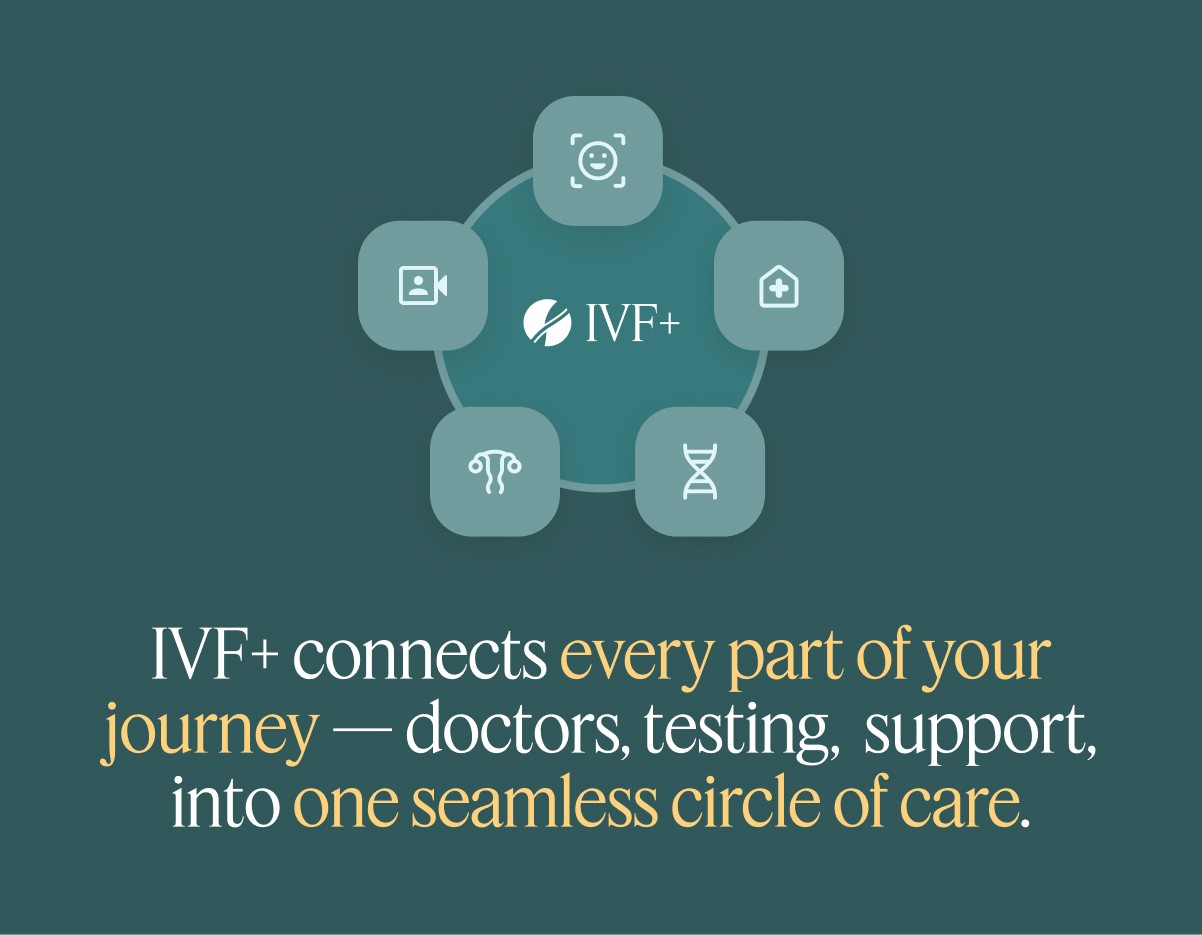
For many LGBTQ+ parents, the hardest part is not choosing the clinic but managing everything around it. They’re left to coordinate various aspects of the journey, including timelines, donor logistics, and legal and insurance matters, on their own.
If you need more structure as you navigate IVF, consider joining the Nucleus IVF+ program. You get streamlined support to:
Match with compatible clinics
Have clear timelines
Connect with genetically compatible donors
Coordinate seamlessly across all experts
Access IVF and genetic counselors that answer all your questions — and more
Book a consultation with Nucleus to start your journey to parenthood.
5 San Francisco and Bay Area fertility clinics for the LGBTQ+ community
We’ve researched and curated a list of five San Francisco fertility clinics with the expertise and sensitivity for LGBTQ+ family-building.
We went beyond what the clinic websites claim and also read community forum (like Reddit and FertilityIQ) reviews from individuals with firsthand experience navigating fertility logistics in the Bay Area. Then, we looked at the clinic’s overall IVF statistics and success rates data for donor gametes, reciprocal IVF, and surrogacy cycles, where available.
SF fertility clinic | Fertility IQ LGBTQ+ care rating* |
|---|---|
8.7 | |
UCSF Center for Reproductive Health | 9.7 |
8.3 | |
Laurel Fertility Care | 9.1 |
Marin Fertility Center | Unrated** |
*All data sourced in December 2025. User reported.
**Due to the low volume of data.
1. Spring Fertility San Francisco
Spring Fertility is an established fertility center in the Bay Area that comes up early in the search for inclusive fertility care. The clinic’s top San Francisco locations include:
Pacific Heights, which has the main lab and surgery center
SOMA, a smaller monitoring and consultation clinic
Both locations offer flexible scheduling, tele-health appointments, and streamlined patient support.
Spring Fertility routinely works with gay, lesbian, bisexual, trans, and nonbinary future parents, as well as single parents by choice. It has protocols for coordination with sperm banks, egg donors, known donors, and gestational carrier agencies. Treatment options cover:
Reciprocal IVF
Double-donor IVF
Fertility preservation for trans and nonbinary individuals
Known donor options, including legal coordination

Source: Kampus production
Parents praise Spring for its smooth communication and billing processes, clear explanations of protocols, and recommendations for single embryo transfers based on embryo quality and age. If you don’t mind going over the bridge, Spring also has a clinic in Oakland, which many parents recommend:

Full post: Reddit
Spring offers mental health support and affirming administrative processes, including consistent use of names, pronouns, and inclusive documentation. It partners with Nest Donor Bank, known for rigorous donor screening (medical, genetic, and psychological), personalized coordinator support, and options for donor eggs or donor embryos.
According to SART, Spring Fertility has a 48.3% live birth rate with thawed embryos using donor eggs.
2. UCSF Center for Reproductive Health
As part of a major academic medical center, the University of California at San Francisco (UCSF) brings together reproductive endocrinologists, geneticists, urologists, mental health specialists, and legal experts to support LGBTQ+ family building.
Below are UCSF’s fertility services tailored to LGBTQ+ couples and individuals:
Program | Key service aspects |
|---|---|
Reciprocal IVF |
|
Gestational surrogacy |
|
Transgender fertility program | For trans men and transmasculine nonbinary people:
For trans women and transfeminine nonbinary people:
|
UCSF is transparent about pricing, but you should request a detailed cost breakdown before starting treatment. For instance, an IVF cycle costs from $20,900 to $28,900, with additional expenses for:
Donor sperm
Legal consultations
Medications
Gestational surrogacy costs from $30,900 to $37,400 without the surrogate agency fees, and based on UCSF’s in-house donor program, donor eggs can cost from $41,900 to $50,400. The clinic has the following success rates with donor eggs and embryos, per SART:
Type of cycle | Fresh donor eggs | Frozen donor eggs | Thawed embryos | Donated embryos |
|---|---|---|---|---|
Live births | 6/13 | 47.6% | 35.1% | 1/4 |

Source: Mikhail Nilov
UCSF partners with insurance companies like Aetna and Cigna and works with two fertility care loan and financing programs: ARC Fertility and Future Family.
As with many academic medical centers, UCSF’s bigger staff can be a tradeoff. Many reviews report slow coordination and communication timelines, as well as less personalized care, compared to smaller, boutique clinics.
3. HRC Fertility
With over 35 years of experience, HRC is one of Southern California’s most renowned fertility centers, offering inclusive and individualized care. It uses advanced reproductive technologies and may even take on complex IVF cases that other clinics decline due to lower success rates.
HRC has multiple branches in the state, including clinics in San Francisco, Beverly Hills, and San Diego. Its services for LGBTQ+ include:
IVF for gay male couples, using donor eggs and either one or both partners’ sperm, with the embryo transferred to a gestational surrogate
IVF for lesbian couples, with options like reciprocal IVF or traditional IVF with donor sperm, using a gestational carrier or donor eggs if necessary
Same-sex IUI, using known or anonymous donor sperm, timed precisely with ovulation
HRC’s reproductive endocrinologists work with LGBTQ+ parents to tailor treatment plans starting from the initial appointment. Procedures are typically performed on-site.
HRC has one of the largest egg donation programs in the country. It also partners with trusted sperm banks and surrogacy agencies. If needed, there’s decision-making support available for choosing a donor, selecting a carrier, embryo screening, optimizing embryo selection, and handling legal steps.
HRC’s success rates using donor eggs and embryos are strong, with a 45.4% live birth rate using thawed embryos and a 44.1% live birth rate using donated embryos.
Although the clinic doesn’t publish list prices, it works with major insurance networks and fertility-specific benefit programs, including:
Financing is available through partners like CapexMD and Future Family. If eligible, you can also explore HRC’s military discounts and IVF and egg-freezing packages.

Source: Karola G.
4. Laurel Fertility Care
Laurel Fertility Care is another intentionally inclusive LGBTQ+ fertility clinic in San Francisco. It offers a trauma-informed and personalized approach to treatment, protocols, and medical plans.
The clinic is a certified member of the Family Equality Open Door Program, meaning that its entire staff has completed extensive training in LGBTQ+ care, inclusive communication, and culturally competent support, such as:
Gender-inclusive intake forms
Flexible exam procedures
Privacy accommodations
Mental health referrals
Laurel offers a complete range of treatments tailored to LGBTQ+ parents, from reciprocal IVF and third-party reproduction to fertility preservation and trans fertility care. It has strong outcomes, with a 53.3% live birth rate with thawed embryos developed using donor eggs.
Reviews from LGBTQ+ parents highlight the clinic’s exceptional communication methods and compassionate physicians and nurses. However, some reviews noted uncoordinated processes and getting conflicting information (that was eventually resolved).
5. Marin Fertility Center
Marin Fertility Center (MFC) is a small-volume clinic that serves patients in San Francisco, Greenbrae, Santa Rosa, and Napa. Patients typically work directly with the doctor and receive frequent updates. MFC offers in-house donor and surrogacy programs tailored to your specific needs. The staff also provides support with decisions such as:
Sperm and egg source
Whether to pursue reciprocal IVF
Determining pregnancy carrier
Fertility preservation before hormone therapy for trans people
LGBTQ+ parents report a positive experience with MFC, with reviews highlighting gentle procedures, responsive nursing staff, and highly personalized care. Some parents reported inconsistent interactions due to staff turnover, but still praised the overall quality of care.

Source: Dziana Hasanbekava
Large LGBTQ+ fertility centers or boutique clinics: What works better in San Francisco?
Large fertility centers and smaller-scale, boutique clinics have different strengths depending on your priorities.
Large centers typically offer expansive lab teams, various specialists, and surgical teams all under one roof. Their protocols tend to be more standardized, but you may see “distributed care” as you work with multiple teams throughout your treatment.
Smaller practices offer continuity of care, personalized consultations, and a calmer environment. They may give more flexibility around alternative or low-intervention options.
Whether you prefer standard protocols or individualized pacing, the Nucleus IVF+ program can help you match with the right clinic and donor network in San Francisco. Not only that, Nucleus offers a science-first framework to help you pick your baby based on the best genetic potential for health and well-being.
All-in-one IVF support system for LGBTQ+ families: Nucleus IVF+
IVF comes with dozens of decisions, especially for LGBTQ+ individuals. Nucleus is a HIPAA-compliant platform that streamlines fertility processes within a single, harmonized, and human-centered system.
With Nucleus IVF+, you access a well-coordinated, medically aligned IVF process. Here’s what this looks like in practice:
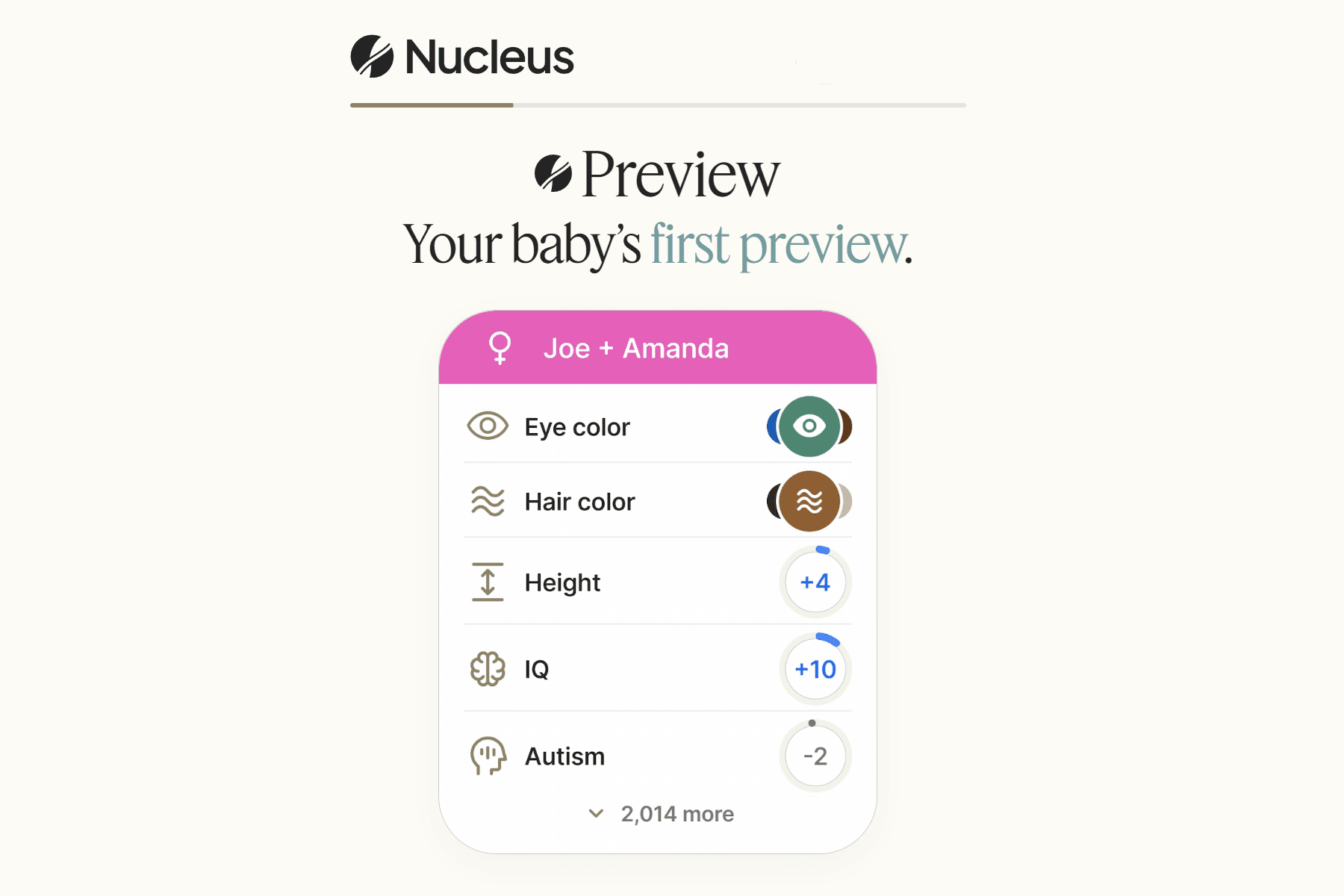
You screen for 2,000+ inherited disorders with the Nucleus Preview DNA kit. It’s preconception genetic testing to reveal your genetic makeup and what risks you can pass down to your children.
Next, we’ll match you with the right clinics. We’ll also tap into donor networks and use Nucleus technology to identify genetically compatible egg or sperm donors.
You’ll begin your IVF cycle and receive expert guidance from fertility experts and genetic counselors through every step. Medication, ICSI, and testing are included in the program.
You’ll screen your embryos with standard preimplantation genetic testing (PGT-A, PGT-M, and/or PGT-SR) and advanced polygenic screening (PGT-P).
The Nucleus Embryo software will help you compare up to 20 embryos based on genetic health and long-term well-being potential across thousands of traits.
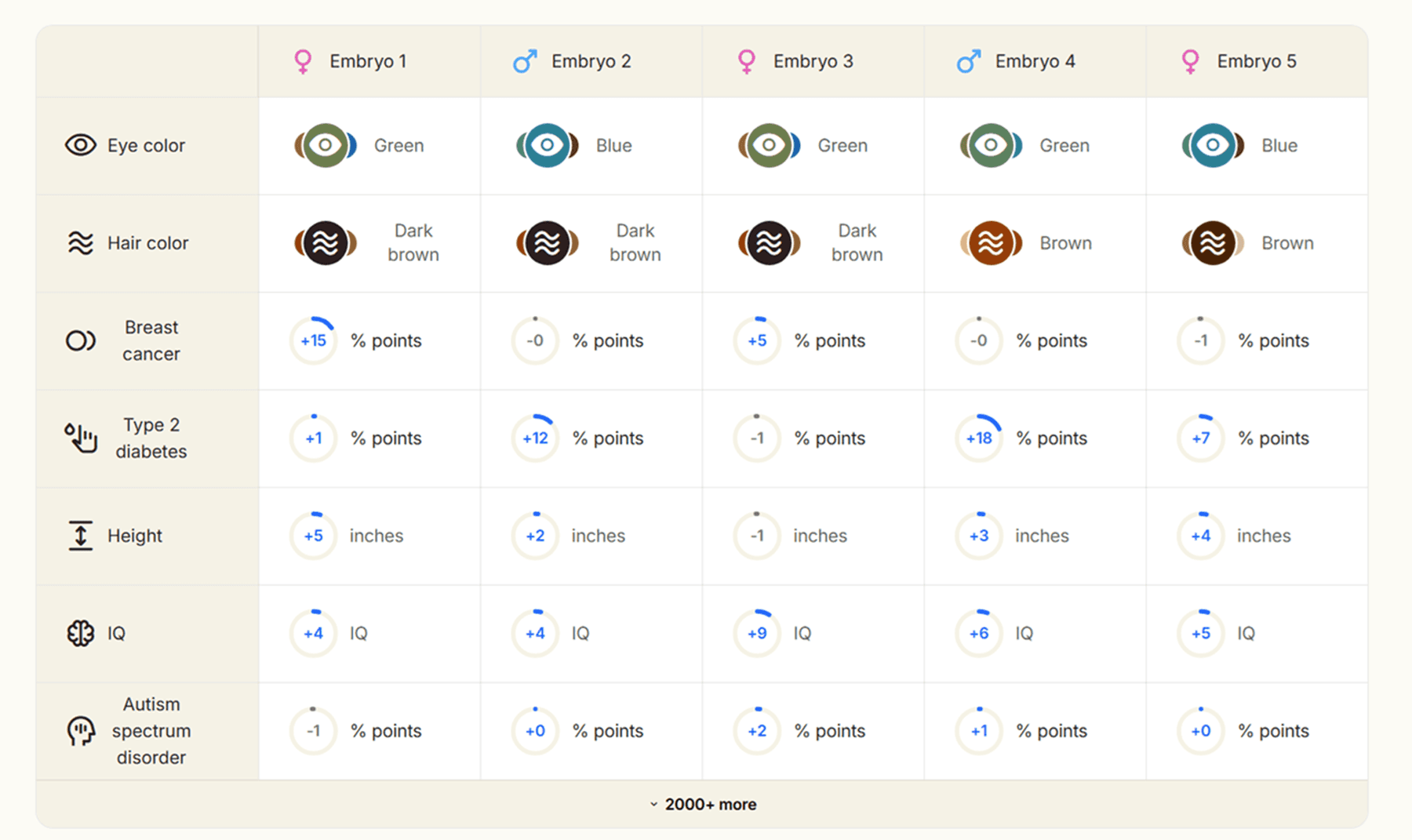
You select the embryo for transfer and complete a closely monitored IVF cycle and pregnancy care. With Nucleus, you can increase your chances of taking a baby home.
Book a call with us for more details.
Featured image course: Rosemary Ketchum