

With advanced maternal age, early menopause, or specific medical conditions, using donor eggs is the best path to a successful pregnancy. IVF with donor eggs is also an excellent option for same-sex couples and single fathers pursuing surrogacy.
When examining the donor egg IVF success rates, the data is encouraging, particularly for parents in their late 30s and early 40s.
To understand how this type of in vitro fertilization might increase your chances of a successful pregnancy, let’s learn:
What the process entails
How to approach it for the best possible outcome
How successful is IVF with donor eggs?
On average, the chances of IVF success with donor eggs are higher than 50%, and in many cases, they can reach 60–70% per cycle. That is well above the average for IVF with a patient’s own eggs, especially in older age groups or those with low egg quality.
The primary reason IVF success rates with donor eggs are higher is due to the superior quality of the eggs. Donor eggs are typically retrieved from young, healthy women (often in their 20s) who have undergone rigorous medical and genetic screening, which helps minimize the impact of age-related decline that affects egg quality.
The cumulative live birth rate with donor eggs doesn’t seem to depend on the age of the woman carrying the pregnancy; it’s the donor’s age that matters the most.
Source: MART production
IVF with donor eggs success rates by stage
Each stage of the IVF process with donor eggs has its own probability of success, described below:
Stage | Typical success rate |
|---|---|
Fertilized donor egg developing into viable embryos | 80% |
Embryo implantation in the uterus | 75–85% |
Clinical pregnancy (confirmed by ultrasound) | 50–75% |
Overall live birth rate | 52–53% (can be higher depending on the clinic) |
Cumulative IVF success rates with donor eggs by cycle
Cumulative success rates indicate how your chances of success improve with repeated cycles because, even though some people conceive at their first attempt, most may need more than one cycle to achieve pregnancy.
Here’s how much the chances of IVF success with donor eggs increase with every next cycle:
Cycle number | Success rate |
|---|---|
First cycle | Up to 59% |
Second cycle | 65% |
Third cycle | 89% |
IVF success rates with fresh vs. frozen donor eggs
U.S. live birth rates are around 53.5% per fresh donor egg cycle and 45.8% per frozen donor egg cycle.
Some clinics outperform these averages and narrow the gap, reporting live birth rates of 65–70% with fresh eggs and 48.5–48.8% with frozen egg cycles. This indicates that clinic expertise, lab quality, and protocols are as important as the egg source.
Egg quality also plays a role because frozen eggs from donors under 36 have a 70–90% survival rate after thawing.
Using fresh donor eggs requires careful timing. The donor’s cycle must be synchronized with the recipient’s cycle, which can add complexity. Frozen donor eggs are stored in a cryogenic freezer and can be thawed when needed. That offers greater convenience and flexibility, making scheduling easier and often less stressful.

Source: Cedric Fauntleroy
Factors impacting IVF success rate with donor eggs
While donor eggs remove many age-related fertility barriers, several other factors can influence the outcome of your IVF cycle:
Quality of the donor egg: The donor’s age and health are among the strongest predictors of IVF success; however, how eggs are stored and transported, as well as the protocols followed by the clinic, can also impact egg quality.
The mother’s uterine health: Even with a healthy embryo, implantation depends on the uterine environment. Uterine lining thickness, absence of scarring, fibroids, or endometrial issues, and optimal hormone levels are critical.
Lifestyle factors: Maintaining a healthy BMI, avoiding smoking and alcohol, managing stress, and following a nutrient-rich diet can all contribute to higher success rates.
Environmental factors: Exposure to pollutants or toxins can affect reproductive health over time, even for recipients using donor eggs.
Emotional and mental well-being: IVF is emotionally challenging, and while high stress levels don't directly lower success rates, they can impact your overall health, adherence to treatment protocols, and relationship dynamics.
Sperm quality: Donor eggs address female egg quality concerns, but sperm quality still matters. Sperm count, motility, morphology, and DNA integrity can influence fertilization and embryo health.
Expertise of the fertility clinic and team: Success rates vary among clinics due to differences in laboratory technology, embryology skills, and experience with the donor egg IVF procedure. High-volume centers and boutique clinics with a proven track record often have better embryo culture systems, advanced freezing and thawing techniques, and efficient protocols. Make sure to ask your clinic about their experience with donor eggs.
What is the process of IVF with an egg donor?
The precise IVF timeline can vary, but the process typically spans 3–6 months from initial consultation to embryo transfer.
Here is the IVF with donor egg process step by step:
Initial consultation and fertility assessment
Choosing an egg donor, screening, and the legal process
Ovarian stimulation and egg retrieval
Fertilization, embryo development, and optional testing
Preparing the recipient and embryo transfer
Step 1: Initial consultation and fertility assessment
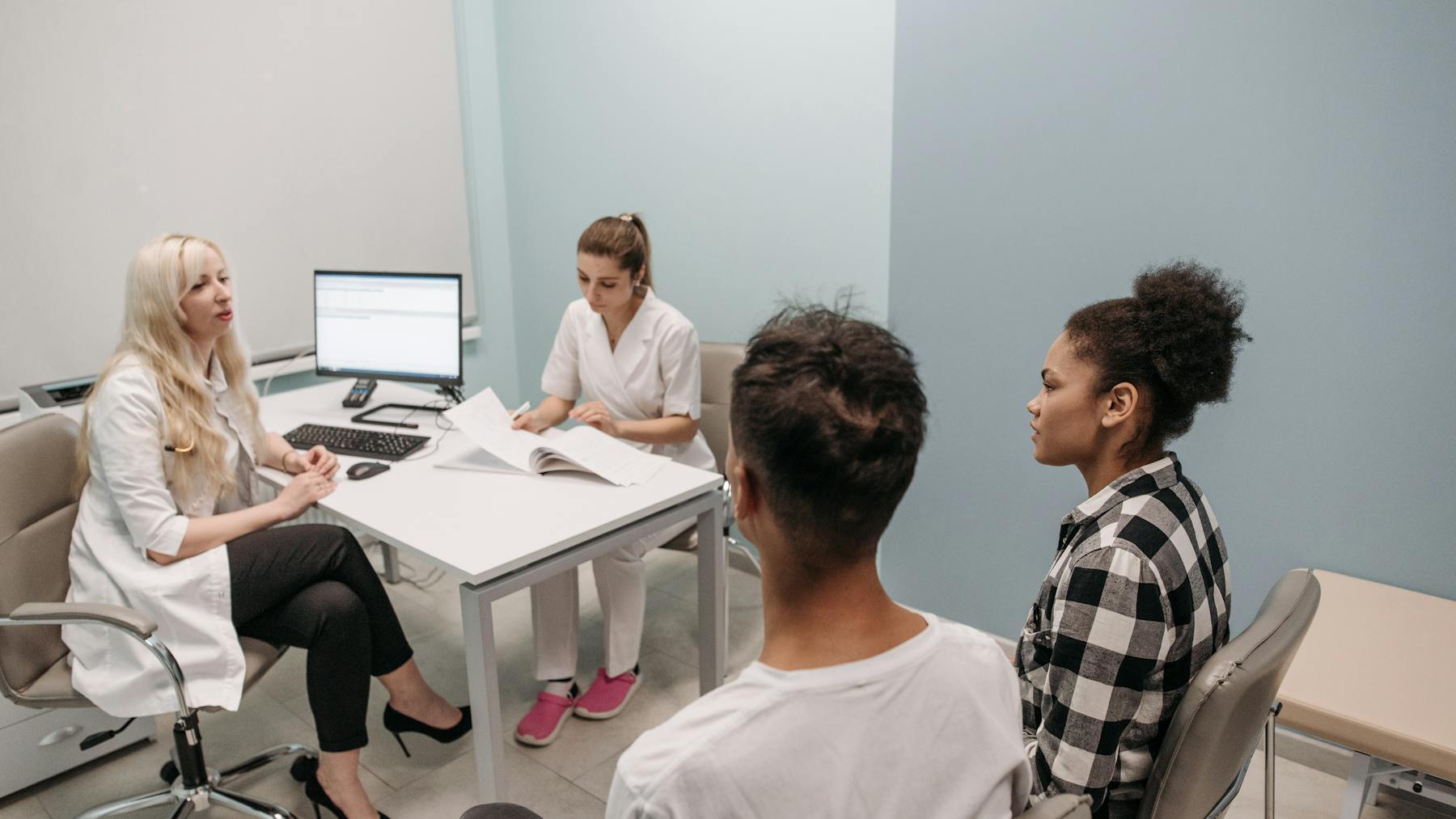
The process begins with a remote or in-person consultation with a fertility specialist. All the medical records and preliminary test results are typically reviewed in advance.
Doctors will assess the recipient’s:
Uterine health
Endometrial thickness
Overall gynecological condition
If applicable, the male partner will undergo semen analysis to assess sperm count, motility, and morphology.
If results show that using the recipient’s own eggs is unlikely to succeed, donor egg IVF is recommended, and where necessary, donor sperm may also be suggested.
Source: Pavel Danilyuk
Step 2: Choosing an egg donor, screening, and the legal process
Egg donors can be anonymous (matched via the clinic’s database, for example) or known (a friend or a relative). Some clinics provide detailed donor profiles, including childhood and adult photographs.
You can select your egg donor based on:
Physical characteristics
Lifestyle and hobbies
Education and values
Medical and genetic history
Personality traits
Before the cycle begins, the donor undergoes medical testing, which includes an ultrasound, infectious disease screening, hormone level checks, genetic carrier screening, and psychological evaluation to confirm readiness.
Finally, a reproductive law specialist creates a legal contract that defines the rights, responsibilities, and confidentiality of both donor and recipient.
Pro tip!
Your egg donor will go through carrier screening, but if you’re using your partner’s sperm, they should, too.
Carrier screening is a type of genetic test that checks whether you carry inherited gene variants that could increase the risk of passing a genetic condition to your children. Many people are carriers without knowing, since carriers usually don't have any symptoms themselves.
Knowing this information early allows you to make informed reproductive decisions and include embryo testing later in the IVF process.
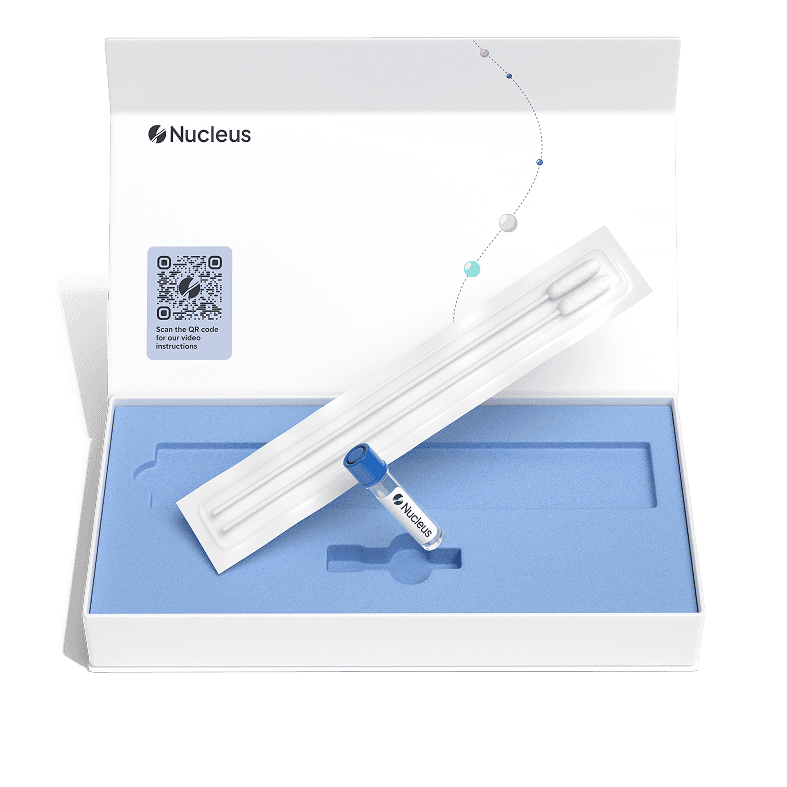
Nucleus Preview is a test that screens for numerous genetic conditions with an at-home test kit. Nucleus uses clinically-grade, whole-genome sequencing to detect millions of DNA variants, providing a comprehensive and highly accurate status of your genetic health and potential risks for your future children.
Step 3: Ovarian stimulation and egg retrieval
The donor takes daily fertility medications for 8–14 days to stimulate the ovaries to produce multiple mature eggs, instead of the usual one.
During this time, ultrasounds and blood tests are performed every three to four days to monitor progress and make adjustments if necessary. Once follicles reach the desired size, the donor gets an hCG trigger shot to prepare eggs for retrieval.
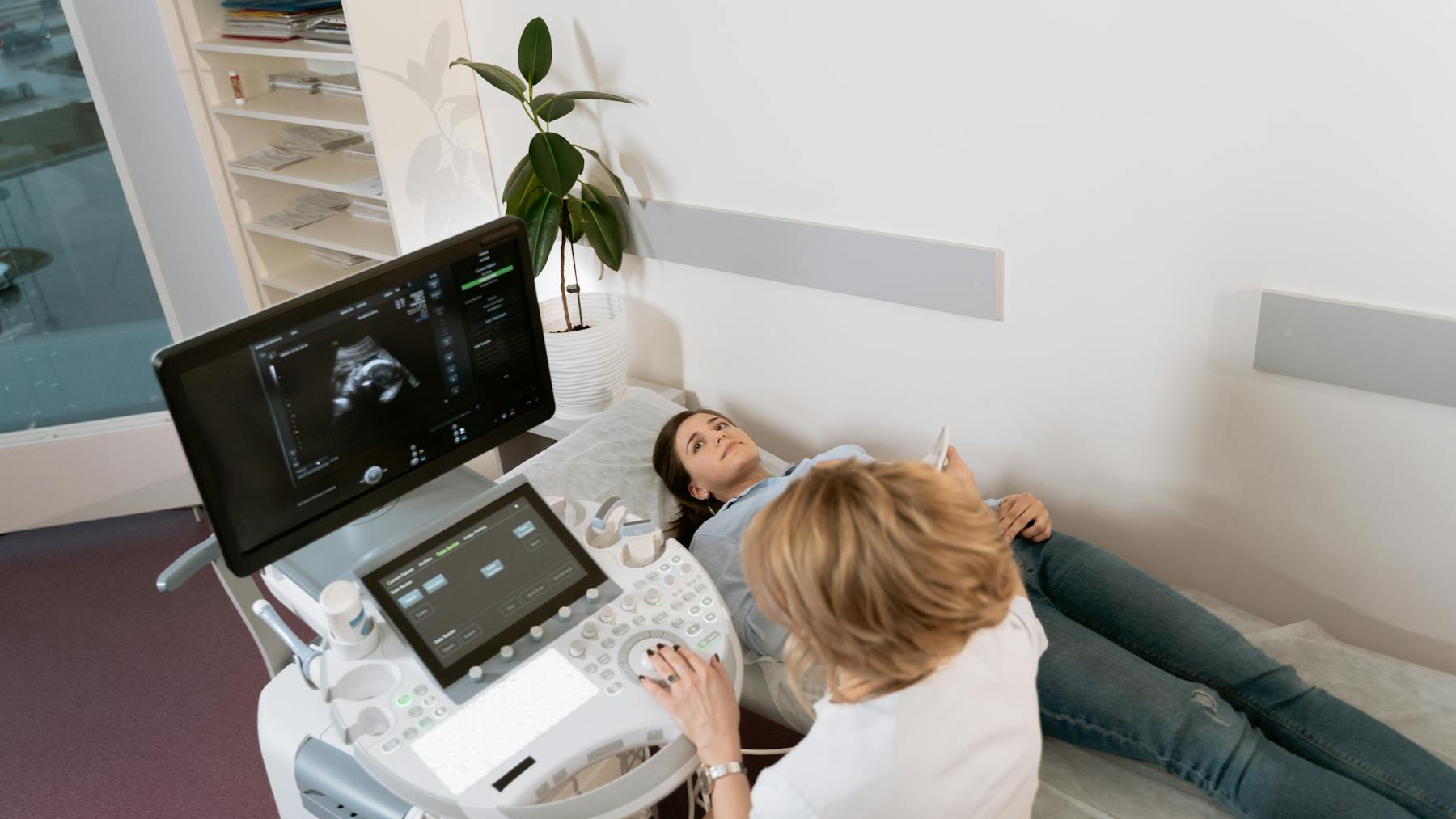
About 36 hours after the trigger injection, egg retrieval is performed. It is a minor surgical intervention that requires light sedation. Guided by ultrasound, the doctor inserts a thin needle into each follicle to collect the eggs. The process takes about 20–30 minutes and is generally painless.
Step 4: Fertilization, embryo development, and additional testing
In the lab, mature eggs are fertilized with sperm from the intended father or a sperm donor. Fertilization can occur via standard insemination or intracytoplasmic sperm injection (where a single sperm is inserted directly into an egg).
Embryos are monitored for three to seven days and graded based on visual assessment of their morphological characteristics. The grade assigned to each embryo represents its quality and the likelihood of developing into a healthy pregnancy.
Embryos typically undergo preimplantation genetic testing (in which case the IVF timeline changes a bit). Your doctor will recommend one or more of the following tests:
PGT-A: Checks for an abnormal number of chromosomes, which can affect implantation and miscarriage risk
PGT-M: Screens for specific single-gene disorders (such as hemophilia, muscular dystrophy, cystic fibrosis, sickle-cell anemia, and Tay-Sachs disease) when there’s a known inherited condition in the family
PGT-SR: Detects structural rearrangements of chromosomes, such as translocations or inversions
PGT-P: Assesses how likely an embryo is to develop common complex conditions later in life, such as diabetes or heart disease
If PGT is done, embryos are frozen while you wait for the results.
Bonus read: Learn more about IVF genetic testing and sex accuracy with PGT-A testing.
Step 5: Preparing the recipient and embryo transfer
When using fresh eggs, the recipient’s menstrual cycle is synchronized with the donor’s with hormone therapy. When using frozen eggs or embryos, synchronization isn’t needed, which offers more scheduling flexibility. In both cases, the recipient takes estrogen and progesterone to prepare the uterine lining for implantation.
When the recipient is ready, a selected embryo is transferred into the uterus using a thin catheter guided by ultrasound. This is a painless, outpatient procedure that takes about 15 minutes. Before the actual event, many clinics perform a mock transfer to identify potential challenges and the best technique.
About 10–14 days after transfer, a blood test measures hCG levels to confirm pregnancy. If positive, hormone support continues for several weeks as regular prenatal care begins. If unsuccessful, the clinic will review the cycle and recommend adjustments for the next attempt.
Pros and cons of IVF with donor eggs
Using an egg donor for IVF is a deeply personal choice that comes with many benefits but also challenges. Here are the pros and cons you should consider:
Pros | Cons |
|---|---|
|
|
Who benefits most from IVF with egg donors?
IVF with donor eggs is an effective path to parenthood for many couples and individuals, and not only those facing fertility challenges. These are the most common groups:
Women over 40 experiencing reduced egg quality or diminished ovarian reserve
Women diagnosed with premature ovarian insufficiency or early menopause
Individuals with a history of unsuccessful IVF cycles using their own eggs
Gay male couples and single men looking to have genetically related children through a gestational carrier
Anyone affected by the surgical removal of ovaries or fertility-impacting cancer treatments
People with genetic conditions that they don’t want to pass on to their kids
IVF with donor eggs can be a complex process, involving many critical decisions, from selecting the right clinic and donor to choosing the most suitable embryo for transfer. Having expert guidance at every step can help you feel more confident, reduce stress, and make the best possible choices for yourself and your future family.
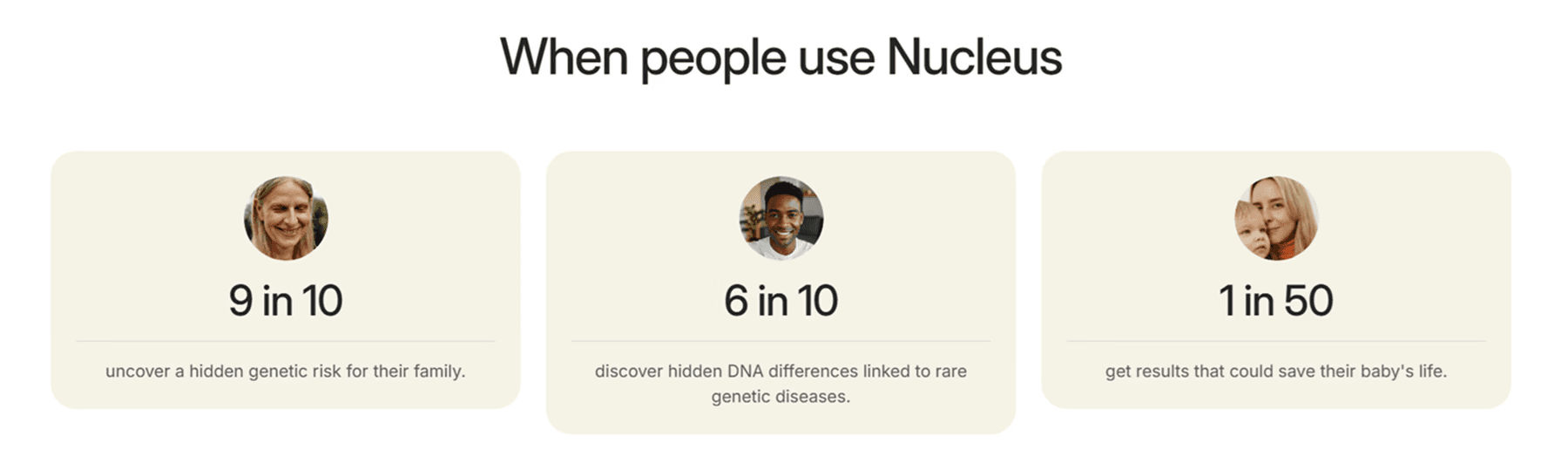
Nucleus IVF+ was created to do precisely that. It combines advanced genetic testing, clinical and logistical support, and personalized guidance to help parents go through IVF with clarity and confidence.
Nucleus IVF+: Expert guidance through every step of IVF
Nucleus IVF+ is an all-inclusive IVF program that ensures you have a trusted partner who guides you through every decision with science-forward, evidence-based information.
Here’s how Nucleus supports your IVF journey:
Guided support from expert genetic counselors, available 24/7
Nucleus Preview pre-IVF carrier screening for 2,000+ inherited conditions
Clinic matching and access to an exclusive donor database
Tailored medication protocols and advanced embryo testing
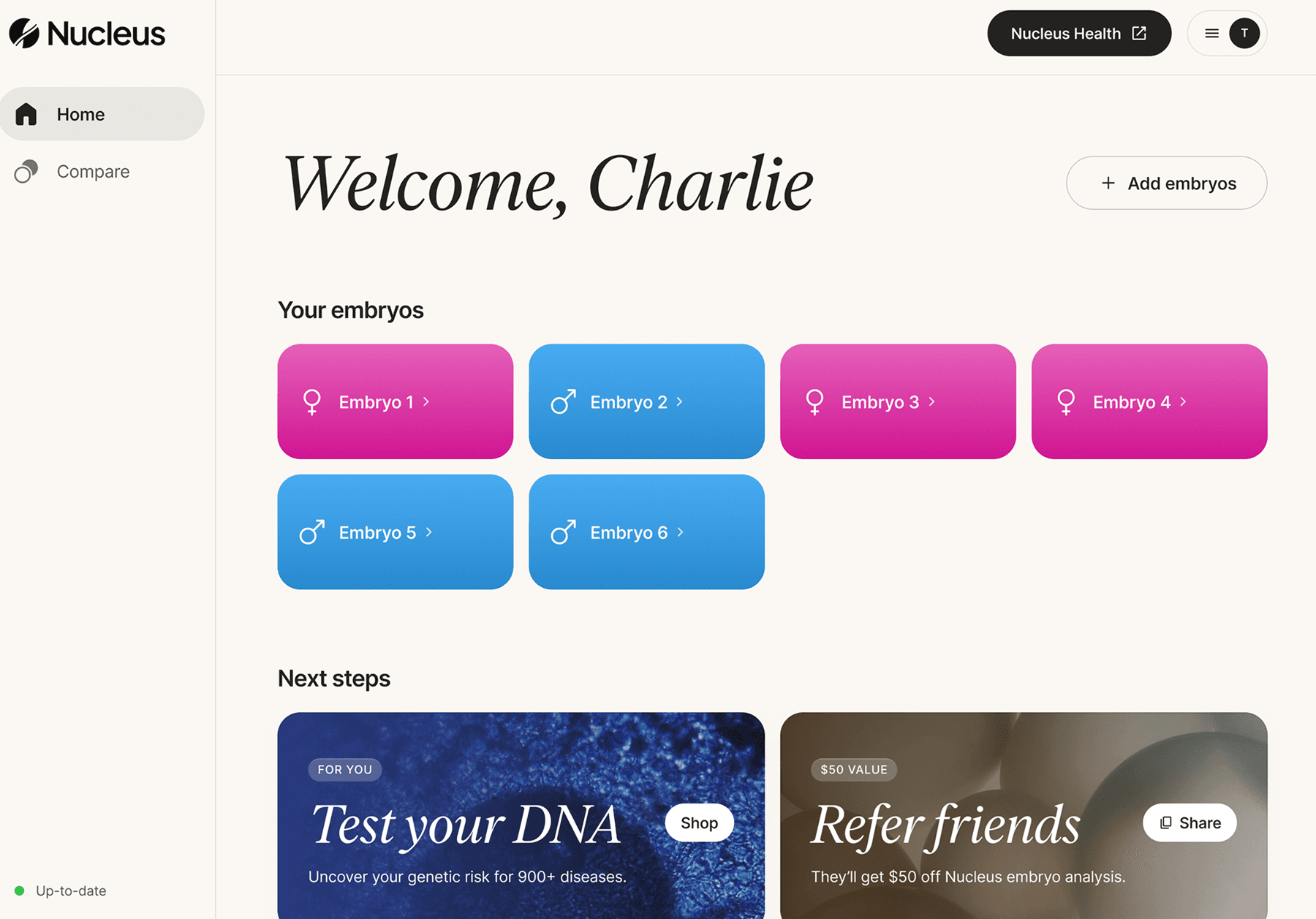
An exclusive genetic optimization tool to help you compare embryos before transfer — you can evaluate embryos for hundreds of predicted health risks and long-term well-being traits
Book an onboarding call with Nucleus today and learn how the personalized IVF+ program can support your family-planning journey.
You may also like…
Featured image source: RDNE stock project