

For some people undergoing IVF, choosing the sex of their baby means avoiding passing on serious sex-linked genetic conditions. Others hope to balance their family. For many, knowing their future child’s sex in advance provides a sense of connection and preparation.
While sex selection during IVF is a sensitive and often debated topic, the opportunity is becoming more accessible and the results more accurate through advances in genetic testing.
In this article, we’ll answer these questions:
Can you choose the sex with IVF?
What is sex-selective IVF?
How does IVF sex selection work?
Is sex selection through IVF legal?
Why might future parents want to pick the sex of their baby?
Can you pick the sex of your baby with IVF?
On its own, IVF can’t determine your baby’s sex. However, if you combine traditional IVF with an approach called sex-selective IVF, you can choose which embryo to transfer based on its chromosomal sex.
Sex-selective IVF combines in vitro fertilization with preimplantation genetic testing (PGT) to identify the sex chromosomes (XX for female, XY for male) in embryos. Once genetic testing is complete, the embryologist can tell you the sex of each healthy embryo.
Sex selection is not automatically included in an IVF treatment. The embryo screening process that reveals the chromosomal sex is an optional add-on. It involves extra steps, costs, and lab analysis, and is typically recommended when there’s a medical reason or when patients want more information before embryo transfer.
PGT is most commonly used to screen embryos for chromosomal abnormalities (such as Down syndrome) and reduce the risk of miscarriage.
The ability to determine an embryo’s chromosomal sex is actually a byproduct of this testing, since the same analysis that checks for chromosome count also reveals the presence of X and Y chromosomes.

Source: Tima Miroshnichenko
How does IVF sex selection work?
The process is identical to a standard IVF cycle:
Egg retrieval and fertilization: You go through ovarian stimulation to produce multiple eggs. After retrieval, the eggs are fertilized with sperm in a lab to create embryos.
Embryo development: The fertilized eggs are grown in a lab for five to six days until they reach the blastocyst stage and are ready for genetic testing. At this point, embryos develop two main types of cells: the inner cell mass that will become the fetus and the trophectoderm that will become the placenta.
Embryo biopsy and genetic testing: A few cells are carefully taken from the trophectoderm as it doesn’t harm the inner cell mass. The cells are then sent for preimplantation genetic testing for aneuploidy (PGT-A), which checks whether the embryo has the correct number of chromosomes. As part of this analysis, the test also reveals the sex chromosomes.
Results and embryo selection: PGT-A results are typically ready within a week. You may ask to know the chromosomal sex, and if healthy embryos of both sexes are available, you can choose which one to transfer following the advice of your care team.
Embryo transfer: The selected embryo is then transferred into the uterus in a standard frozen embryo transfer (FET) cycle.
Can IVF guarantee gender?
IVF with PGT entails nearly 100% accurate sex identification. However, while IVF makes sex selection possible, it doesn't guarantee that you’ll have embryos of both sexes to choose from.
The chromosomal sex of each embryo is determined randomly at fertilization, like in natural conception. If only a small number of embryos develop, there’s a chance they could all be the same sex.

Full post: Reddit
Additionally, not all embryos will be healthy enough for transfer. The number of viable embryos after genetic testing depends on:
Egg quality
Maternal age
Overall embryo development
Is IVF gender selection legal?
In most European countries, Canada, China, India, and many other countries, sex selection for non-medical reasons is prohibited. These regulations typically allow sex selection only when there’s a risk of passing a serious sex-linked genetic disorder, such as Duchenne muscular dystrophy or hemophilia, which primarily affects males.
The United States allows sex selection, regardless of whether it’s for medical or personal reasons. Many U.S. fertility clinics offer this option to patients undergoing IVF with PGT. Still, fertility specialists will always recommend transferring the best quality, highest graded embryo, regardless of chromosomal sex, to maximize your chance of success.
Can you do IVF just for gender selection?
Given that non-medical sex selection is legal in the U.S., you can technically pursue IVF solely for the purpose of choosing your baby’s sex. However, such instances are uncommon as IVF is an elaborate medical process, and choosing to go through it only for a sex preference may raise ethical concerns.

Full post: Reddit
Financial aspects of IVF need to be considered, too. IVF is not recommended unless there is a medical reason, such as infertility, recurrent miscarriage, or known genetic risks. Most (if any) insurance providers in the U.S. don’t cover IVF for non-medical reasons, so you would have to pay for it out of pocket. One full cycle can cost $15,000–$25,000 or more, and many patients need multiple rounds to achieve a pregnancy.
Reasons for IVF sex selection
While sex selection through IVF is often associated with personal preference, many families have deeper, more complex reasons for wanting to choose the sex of their child, such as:
Medical reasons: Some inherited disorders are linked to sex chromosomes and are much more likely to affect either male or female children. In these cases, choosing an embryo of the less affected sex may be medically necessary.
Emotional considerations: Some couples carry emotional weight from past experiences, such as pregnancy loss or the passing of a child, and may feel more emotionally prepared to raise a child of a particular sex.
Family balancing: Some parents wish to have both a son and a daughter, or to bring variety to a family that already has several children of one sex. In this context, sex selection isn’t about valuing one sex over another but about achieving a sense of completeness or harmony within the family.

Source: RDNE stock project
How to make better aligned decisions during IVF
When it comes to IVF, the health of your future child is always the top priority. Genetic testing offers a powerful way to reduce uncertainty and eliminate some of the risks that can be passed down, revealing a clearer path toward a healthy pregnancy.
Many sex-linked diseases are passed down through a single faulty gene. To identify these risks, some parents begin with carrier screening to check whether one or both parents carry genes linked to inherited conditions. If screening reveals they’re carriers of a condition that could affect their child, they may be advised to use preimplantation genetic testing for monogenic disorders (PGT-M) as part of IVF.
This test identifies embryos unaffected by a specific gene mutation and, in the process, reveals the chromosomal sex of each embryo. The table below shows examples of conditions likely to affect male or female children:
Conditions likely to affect male children | Conditions likely to affect female children |
|---|---|
|
|
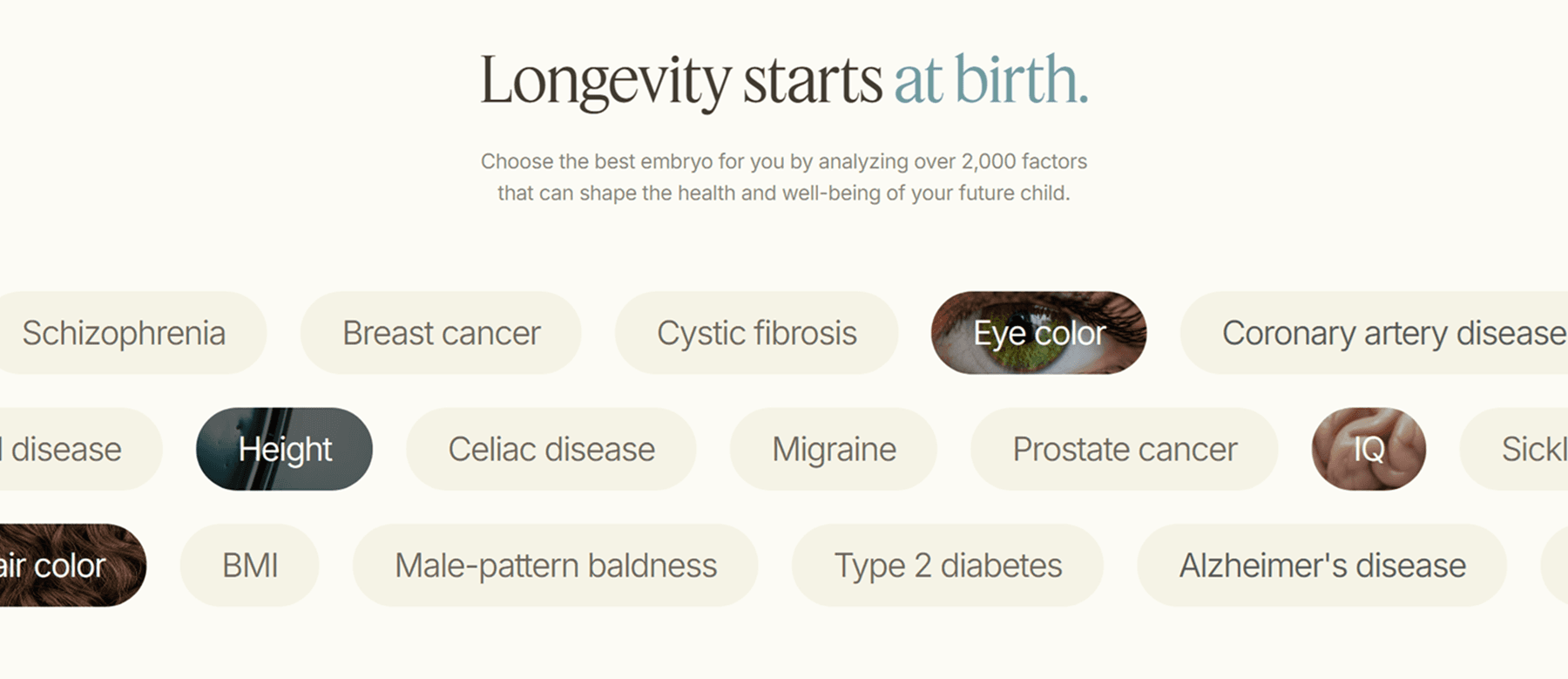
Some parents choose to add a more advanced form of testing that analyzes polygenic risk — PGT-P. Polygenic risk scoring evaluates an embryo’s likelihood of developing certain common, multifactorial conditions later in life. Instead of focusing on a single gene, it looks at how thousands of genetic markers work together to influence risk for conditions like diabetes, coronary artery disease, some cancers, schizophrenia, and other neuropsychiatric disorders.
Because IVF involves so many decisions, having the right support at every stage can make the process feel less overwhelming and more empowering.
Nucleus IVF+ is designed to provide such support. It’s an all-in-one IVF package built around genetic optimization with a human touch. Nucleus helps you with health and longevity-focused decision-making, as well as provides concierge-like support and industry-best care throughout your fertility journey.
Nucleus IVF+: Go beyond chromosomal sex and viability
Across cultures and generations, parents have always done whatever it takes to give their children the best possible start in life. Today, IVF makes that dream possible for millions, but the process often asks parents to take on far more than they expected.
Suddenly, you’re not only preparing for a baby. You're making schedules, comparing clinics, deciphering test results, and trying to make high-stakes decisions about embryos with information that feels incomplete.
Nucleus IVF+ changes that. It’s the first IVF package designed around genetic optimization, giving you the clarity and support you deserve on your path to parenthood. Instead of limiting your choices to basic viability, Nucleus IVF+ opens a new window into the future, helping you see which embryos are most likely to thrive, not just survive.
Nucleus IVF+ offers an all-inclusive IVF care, from helping you select the right clinic to finding the right donors if necessary.
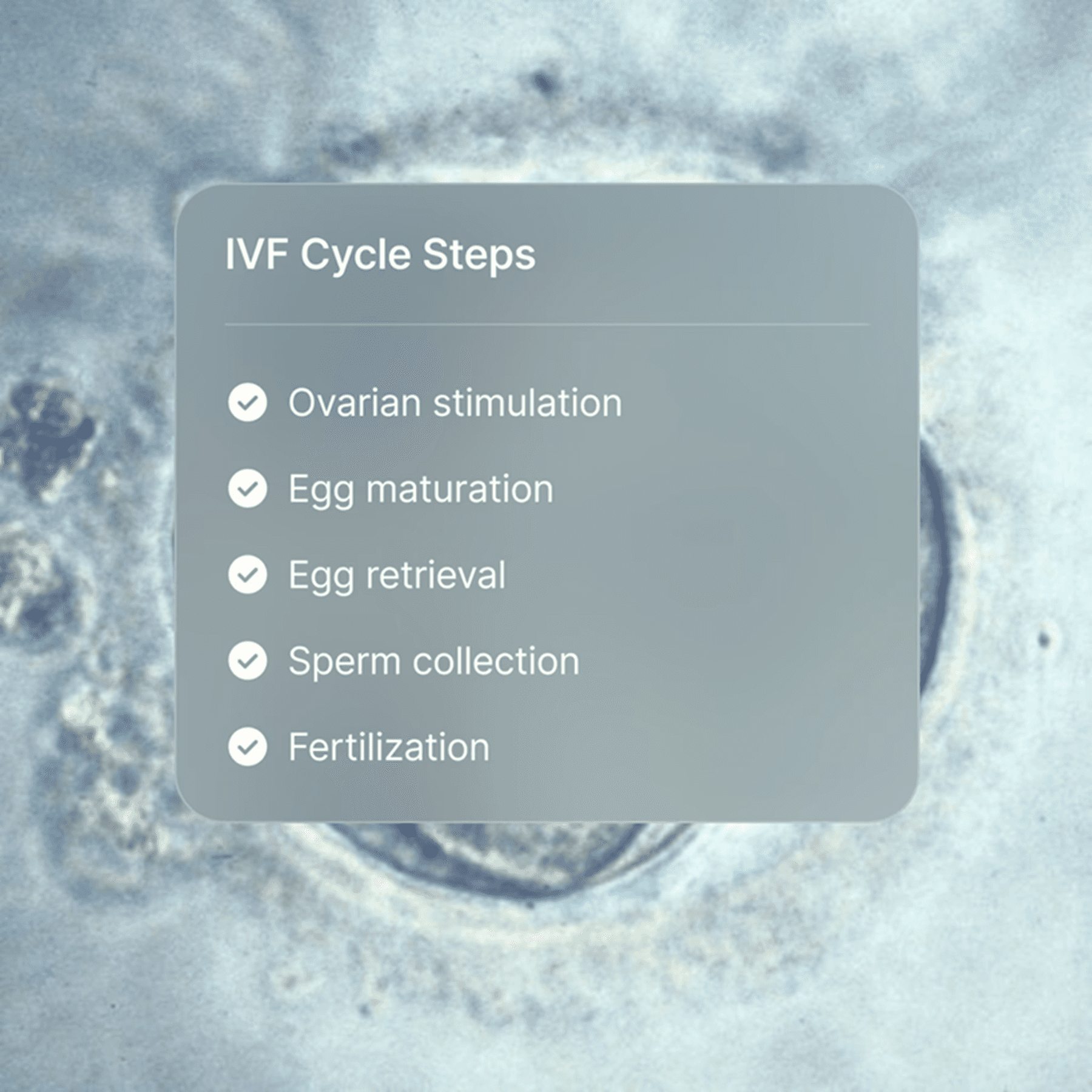
Nucleus IVF+ includes cutting-edge tools like:
Nucleus Preview: A comprehensive preconception DNA screening for over 2,000 genetic diseases that you could unknowingly pass down to your children.
Nucleus Embryo: The first genetic optimization software that allows you to analyze, compare, and select embryos based on health outlooks and well-being indicators.
Our expert guidance and counseling, advanced testing, and parent-friendly reports replace the guesswork and help you make thoughtful, confident choices at every step of your IVF journey.
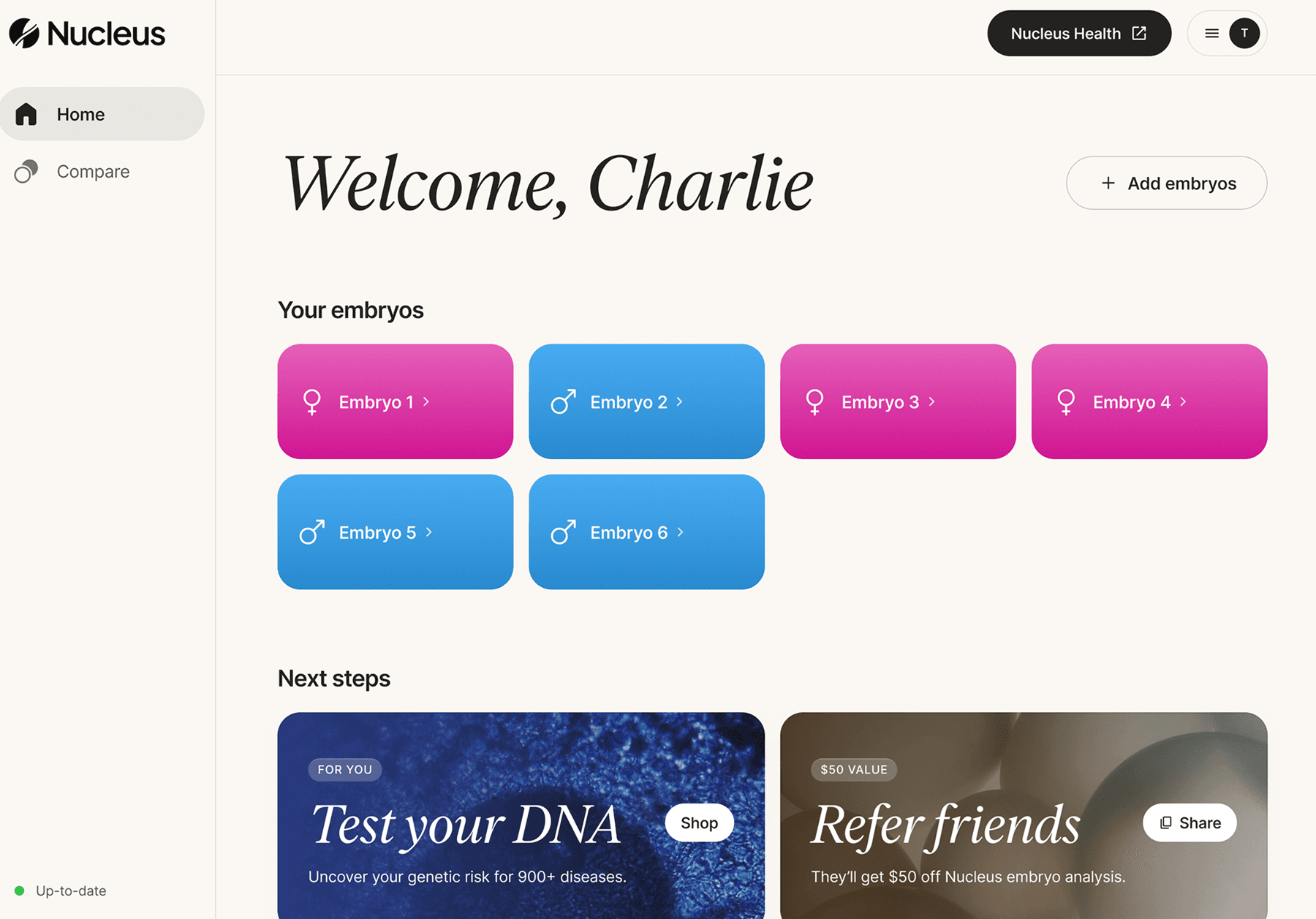
How to start your fertility journey with Nucleus IVF+
Nucleus IVF+ makes sure you never have to go through it alone. From the start, you’ll be paired with a compatible clinic, receive comprehensive screening, and get access to the right medication protocols.
Once treatment begins, our team supports you at every milestone, guiding your testing, helping you compare embryos, and giving your baby the best possible start.
Schedule your call with a Nucleus expert today and take the first step with confidence.
You may also like…
Featured image source: Elina Fairytale