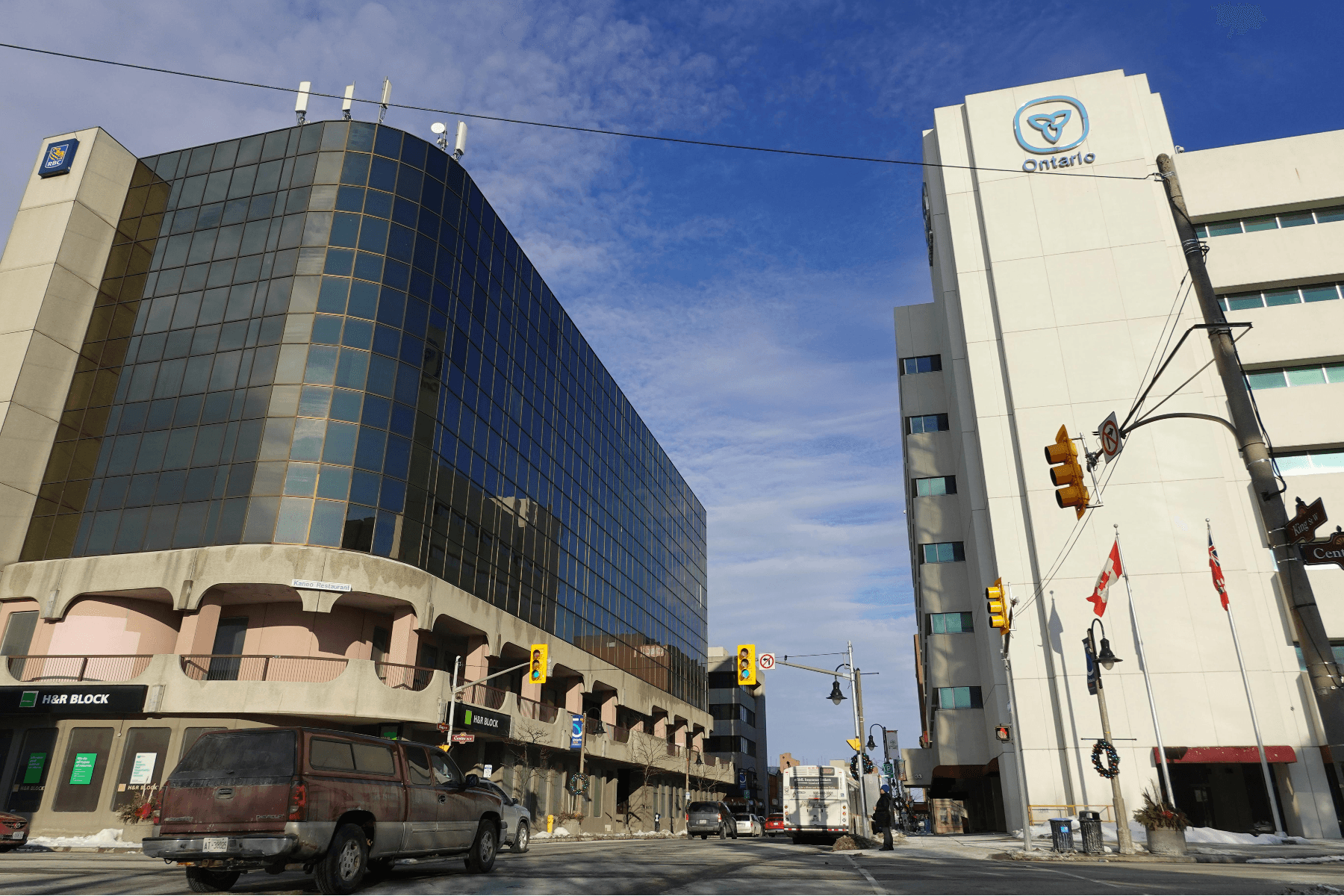

Spring Fertility has expanded to several cities, but its San Francisco clinic remains one of the most prominent and widely referenced locations in the Bay Area. The clinic promises a welcoming atmosphere and a supportive expert team during fertility care, but prospective parents often want clearer insights into the service quality and patient experiences.
In this guide, we’ll bring together the key review aspects of Spring Fertility, San Francisco, including success rates, insurance, inclusivity, and support.
Spring Fertility in San Francisco: Clinic overview
Spring Fertility was founded in 2016, with headquarters in San Francisco. It now has clinics across California, New York, and Oregon. Within San Francisco, it operates multiple branches, including Spring Fertility, SOMA (in the Salesforce Transit Center) and Spring Fertility, Pacific Heights.
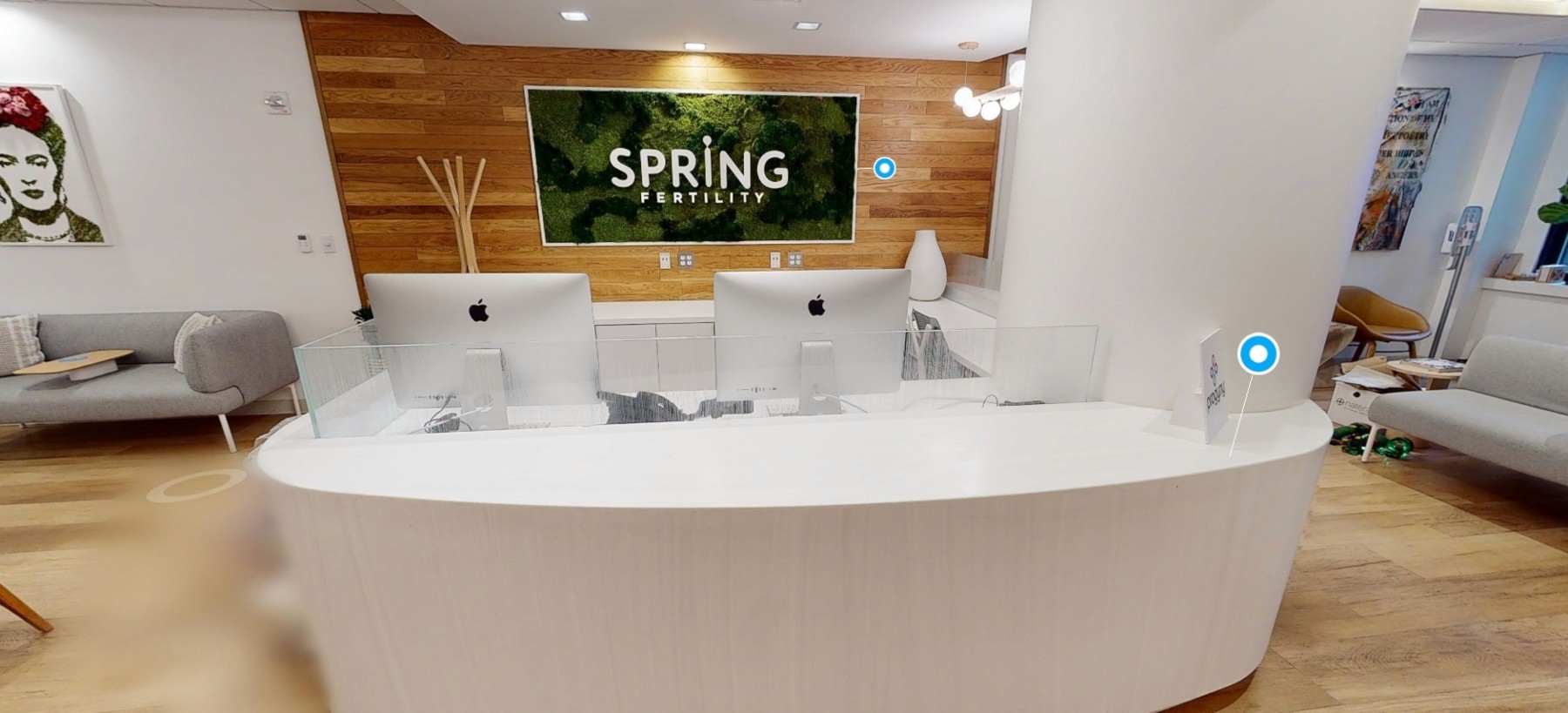
These branches typically provide standard fertility services, from fertility preservation to IVF and donor options. They also offer on-site procedures, telehealth consultations, and occasional extended hours to address patient-specific limitations.
It appears that Spring Fertility can support different stimulation and transfer approaches based on individual ovarian response and fertility goals. Patients can explore minimal stimulation IVF, fresh transfers, and egg or embryo banking, depending on their medical or personal situation.
Bonus: We have other fertility clinic guides for you:
Spring Fertility in San Francisco: 6 aspects to consider
Spring Fertility’s San Francisco clinic reviews address different aspects of the overall patient experience, including communication, clinical expertise, and infrastructure.
We’ll look at six key areas below:
Services and inclusivity options
Lab capabilities
Clinical outcomes
Cost transparency
Insurance and financing
Patient patient reviews
1. Services and inclusivity options
You can access a wide range of fertility treatment and support services in San Francisco’s Spring Fertility SOMA and Pacific Heights locations. Here’s an overview of offerings:
Service | What’s included |
|---|---|
In vitro fertilization (IVF) |
|
Egg freezing |
|
Embryo freezing |
|
Genetic counseling |
|
| |
Mental health support |
|
Spring’s donor eggs and sperm matching programs are inclusive. There are plenty of options to support gay male couples, lesbian couples, prospective single parents, and trans and nonbinary parents, such as:
In-house or partner egg banks (fresh or frozen)
Cooperation with licensed sperm banks (anonymous or known)
Tailored matching and medical coordination

Source: Karola G
As far as accessibility is concerned, the Pacific Heights branch serves as the main clinical and laboratory center. The SOMA clinic offers a smaller, more personal setting for consultation and monitoring visits. Procedures requiring anesthesia, such as egg retrieval and embryo transfer, are performed at the Pacific Heights center regardless.
2. Lab capabilities
Spring Fertility labs are frequently mentioned in industry discussions for their focus on refining IVF techniques. One of Spring’s defining approaches is its patent-pending laboratory technology designed to replicate the conditions of the human fallopian tubes and uterus during IVF.
According to the clinic, its approach is to control the atmospheric composition surrounding the eggs and embryos through each stage, from egg retrieval and fertilization to embryo culture and testing. In practical terms, this means the embryo growth environment closely resembles the body’s natural reproductive process.
Spring also focuses on fertility preservation research, particularly new cryopreservation methods designed to maintain egg and embryo quality over time. While the methods sound promising, we didn’t find any independent verification of the outcomes.
Another aspect that patients appreciate is that Spring Fertility participates in new clinical research, which can provide future parents with access to innovative techniques and medications. For example:
An ongoing clinical trial is testing subcutaneous progesterone injections as an alternative to intramuscular or vaginal methods after a frozen embryo transfer (FET). The goal is to improve patient comfort and accessibility during treatment.
Another upcoming study will explore outcomes following mosaic or abnormal embryo transfer. This is especially important for parents with limited viable embryos who want clarity on whether such embryos can still lead to a healthy pregnancy.
3. Clinical outcomes
Part of evaluating a fertility clinic involves looking at the success rates of IVF cycles resulting in a live birth. We looked at the statistics available from the Society for Assisted Reproductive Technology (SART). Here are the number of cycles started and the singleton live birth rates per age group at Spring Fertility clinics for 2022:
Age group | <35 | 35–37 | 38–40 | 41–42 | >42 |
|---|---|---|---|---|---|
Cycles started | 154 | 234 | 247 | 145 | 114 |
Singleton births | 47.4% | 35% | 21.9% | 11.7% | 0.9% |
Note: The data references the Spring Fertility network, not just San Francisco clinics.
On its website, Spring Fertility features success rates for the year 2021:
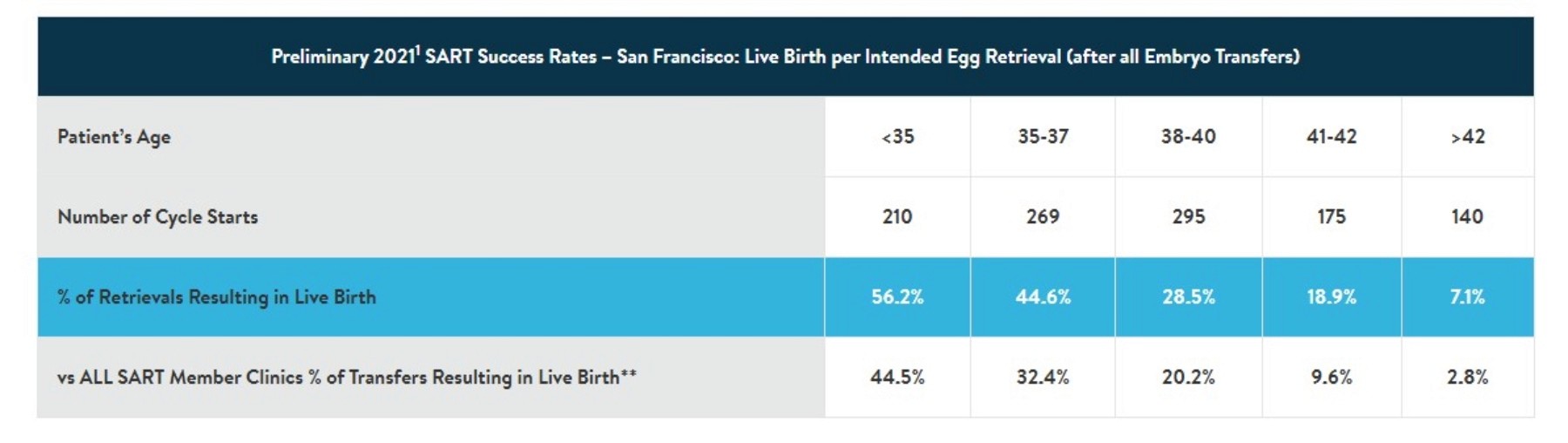
Source: Spring Fertility
The numbers suggest strong outcomes, particularly for patients under 38, but there’s a noticeable dip in the birth rate between 2021 and 2022. Preliminary results for 2023 show an even lower number of cycles started and lower singleton live birth rates:
Age group | <35 | 35–37 | 38–40 | 41–42 | >42 |
|---|---|---|---|---|---|
Cycles started | 109 | 158 | 187 | 105 | 59 |
Singleton births | 33.9% | 34.8% | 17.1% | 6.7% | 3.4% |
Many prospective patients have already noticed this drop, but they attribute it to capacity shifting between labs and Spring’s practice of performing multiple egg retrievals per patient.

Full post: Reddit
Know that success rates are only one piece of the puzzle. Percentages provide a snapshot of outcomes, but they don’t capture the complexity of individual cases, treatment strategies, or a clinic's philosophy. Reported outcomes are influenced by:
Patient age
Prior fertility history
Ovarian reserve
Cause of infertility
Treatment intensity
Clinic’s approach to multiple cycles
A drop in reported rates may also reflect shifts in patient demographics, lab locations, or expanded treatment options. Spring has stated that its clinics often work with complex cases, including patients who were advised to consider donor eggs elsewhere, which impacts the aggregated success rates.
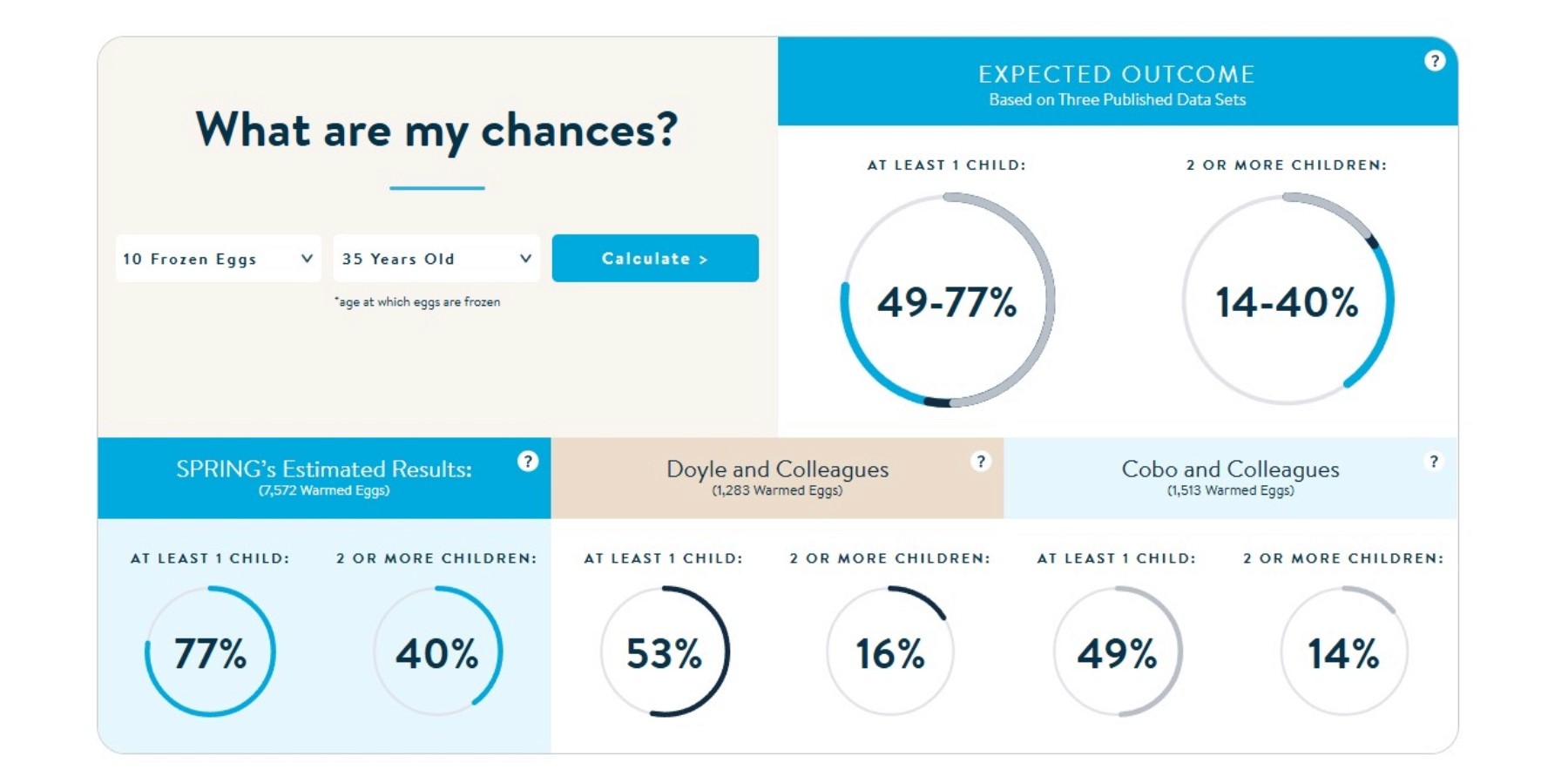
Source: Spring Fertility
Tip 👩❤️👨
When contacting clinics in San Francisco, you should ask the following:
How does your own profile affect expected outcomes?
Which lab will process your embryo, and how?
What kind of personalized care protocols will you get to maximize your chances?
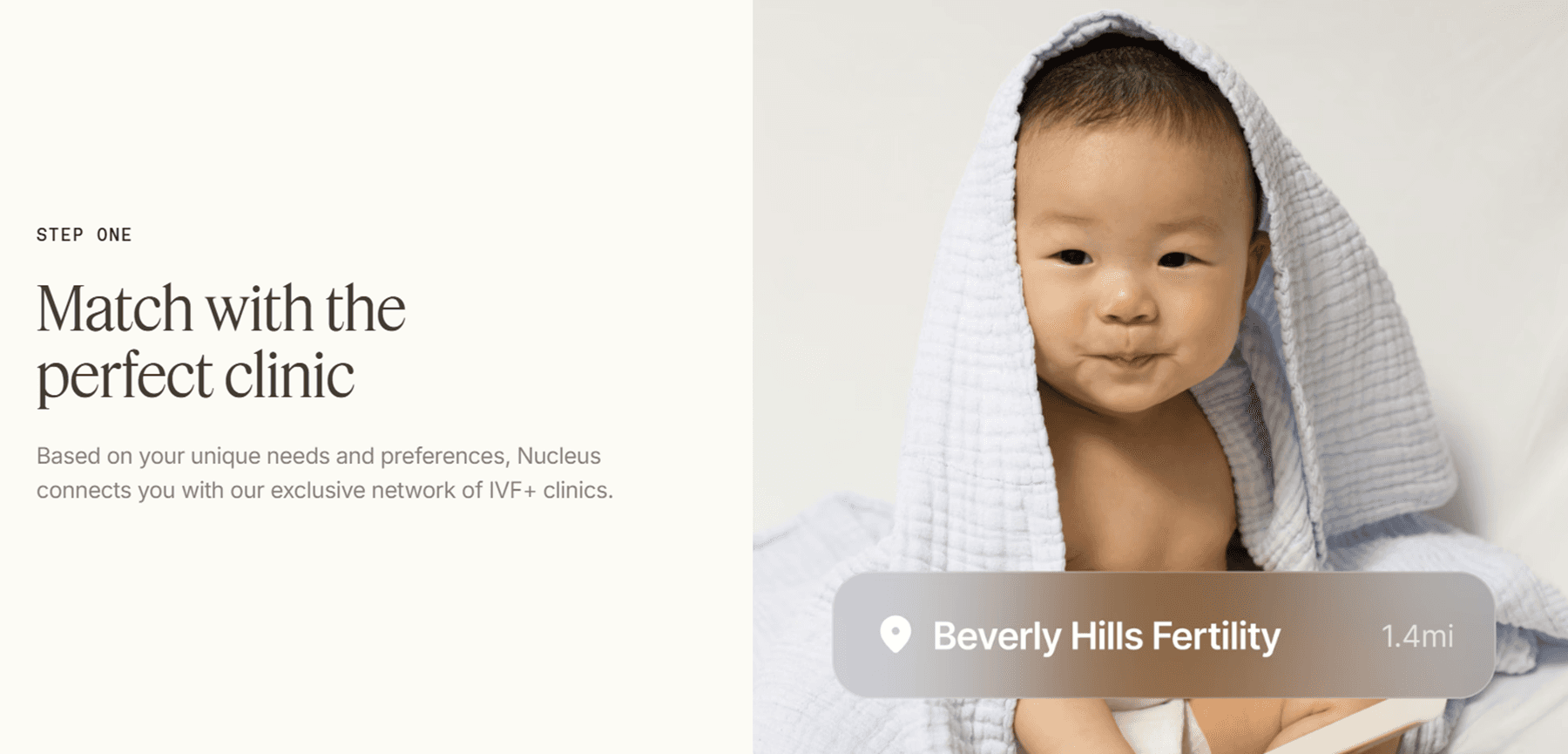
Consider working with Nucleus for a full concierge-style IVF experience as you navigate clinic selection in San Francisco or California. In particular, you can benefit from the Nucleus IVF+ package to get matched with the right clinic, access suitable testing, care, and medication protocols, and choose the potentially healthiest embryos for transfer with the help of advanced genetic testing. Click here to explore your options.
4. Cost transparency
Spring clinics in San Francisco don’t publish a full price list for their services, but patient reviews can give us an idea. Some consider the pricing to be on the higher end of the spectrum, although many note that their insurance covered a significant portion of expenses.
Spring Fertility offers some estimated costs for certain treatments and support services:
Service | Estimated cost |
|---|---|
Donor egg cycle with frozen eggs | About $40,000 |
Donor egg cycle with a designated donor | $60,000–$80,000 (donor compensation varies) |
Gestational carrier cycle | $100,000–$200,000 (includes IVF, GC compensation, agency, and legal fees) |
Support groups | $300/six sessions |
Fertility wellness counseling | $300 per 45-minute session |
Donor tissue counseling | $495–$695 |
One reviewer on FertilityIQ broke down their egg freezing expenses as follows:
Initial appointment and blood work: $475
Medications: $3,688
Monitoring and procedure: $8,312
10-year egg storage: $5,600
Total costs can also vary based on your personalized care protocols and the specific testing options you choose. If cost is a deciding factor for you, it’s best to request that any prospective clinic provide a written breakdown of all overheads that align closely with your fertility journey.
5. Insurance and financing
Spring Fertility in the Bay Area accepts select commercial insurance providers and fertility-specific benefits programs, such as:
Patients can also use HSA or FSA funds for eligible treatment costs.
Still, being in-network doesn’t always translate into coverage, which is often determined by your employer and health plan. If your employer doesn’t offer fertility benefits, parts of your care may still be covered under your existing health plan.
At Spring, you usually get matched with a dedicated Financial Navigator who verifies your insurance coverage before your first appointment and explains your eligible benefits in detail. Once you and your physician finalize a care plan, your Navigator will prepare a personalized cost letter outlining estimated costs, coverage, and out-of-pocket expenses.
If your provider is out-of-network, the clinic will assist with the necessary documentation to submit eligible reimbursements. To make treatment costs more predictable, you can request Spring for bundled pricing. It also partners with Alto Pharmacy to offer medication package pricing, saving you an average of $1,500 per cycle.
If you have no insurance coverage, Spring may be able to help you access flexible loan options through PatientFi.
6. Spring Fertility San Francisco reviews by real patients
Spring Fertility in the Bay Area scores 9.1 on FertilityIQ, and averages at 4.3 stars on Google, indicating overall strong patient satisfaction. Most reviews suggest that patients receive attentive care and quick responses throughout their journey.
Several reviewers highlight the professionalism of physicians and nurses, noting that the staff is organized and the appointments tend to run on time. Patients frequently mention that doctors, not technicians, conduct monitoring appointments, allowing for direct communication. Many also appreciate the early morning scheduling options, which minimize disruptions to daily routines.
Still, some patients recount less positive experiences. Common grievances include explanation gaps, a lack of lifestyle-centered suggestions, and limited agency in decision-making, which may not be the best for patients with complex conditions. Some felt they could’ve used more awareness about treatment choices or potential alternatives, and that weak communication occasionally led to confusion or frustration.
Overall, both positive and negative experiences are anecdotal, but they broadly indicate that Spring is a fairly efficient clinic network, although there’s mixed feedback regarding communication and holistic guidance.
Should you consider Spring Fertility’s San Francisco branches?
Spring Fertility’s San Francisco clinics have a research-driven approach with high satisfaction scores from many patients, but as with most similar services, there are a few gaps.
While both the SOMA and Pacific Heights branches offer diverse fertility services, they only offer standard embryo screening for chromosomal abnormalities or single-gene disorders. This means that some parents may opt for other advanced lab services to check their embryo’s health before implantation, which may lead to a scattered experience.
Here’s a quick overview of Spring’s pros and cons:
Pros | Cons |
|---|---|
|
|
If you’re interested in a more cohesive and fully integrated IVF experience, consider programs like Nucleus IVF+ for unified, individualized care options.
Nucleus is a DNA analysis platform that supports fertility and longevity care. Its IVF+ program is designed to match you with the right clinics and guidance, support a personalized IVF cycle, and evaluate the long-term health potential of embryos.
Nucleus IVF+: All-in-one solution for modern families
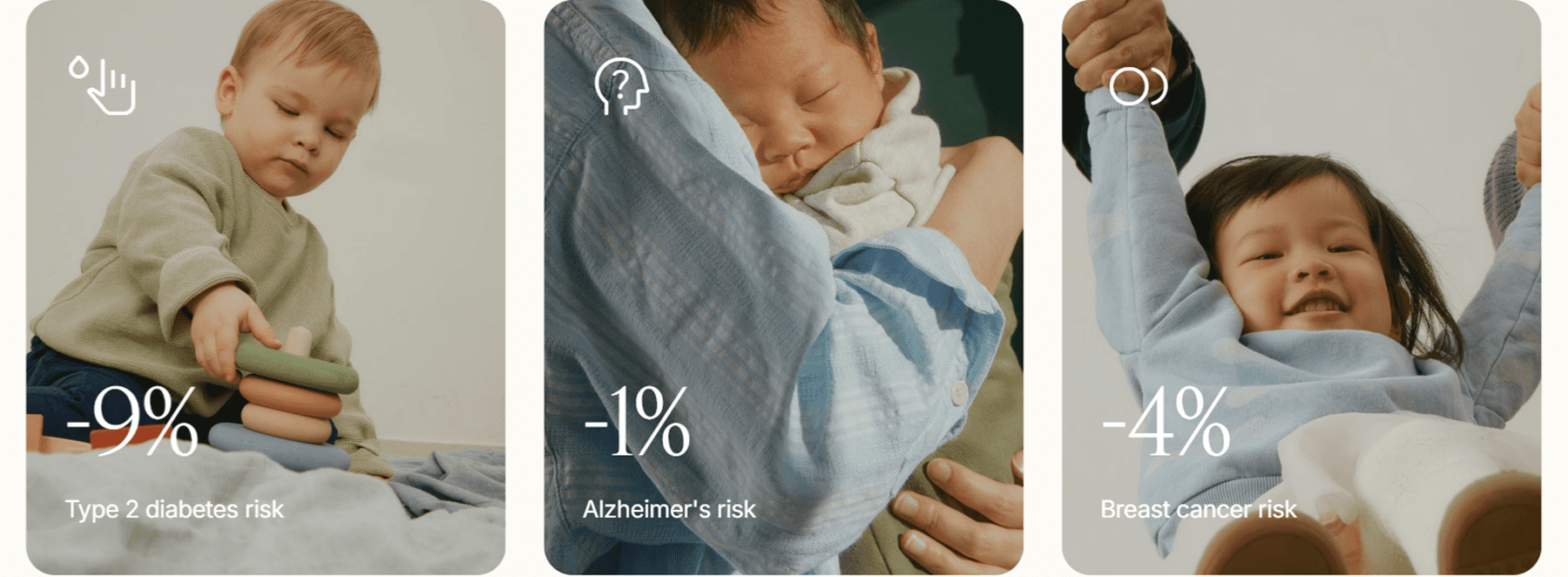
While many clinics focus only on the medical side of IVF, Nucleus combines advanced genetic science with genuine human care. You gain more agency over your decisions with clear data and reports, continuous consultations with experts, and a one-of-a-kind embryo optimization software.
Instead of juggling multiple care systems and services, Nucleus IVF+ integrates fertility care into a seamless, one-stop experience. Here’s what’s covered in our all-inclusive package:
Clinic matching and one full IVF cycle: Access a vetted network of fertility clinics with high success rates, potentially matched to your medical and logistical needs.
Donor selection: Access vetted networks to find a genetically compatible donor, whether you’re using donor eggs, sperm, or embryos.
Nucleus Preview: Screen for 2,000+ inherited conditions to better understand your genetic background and what risks you can pass down to your future children.
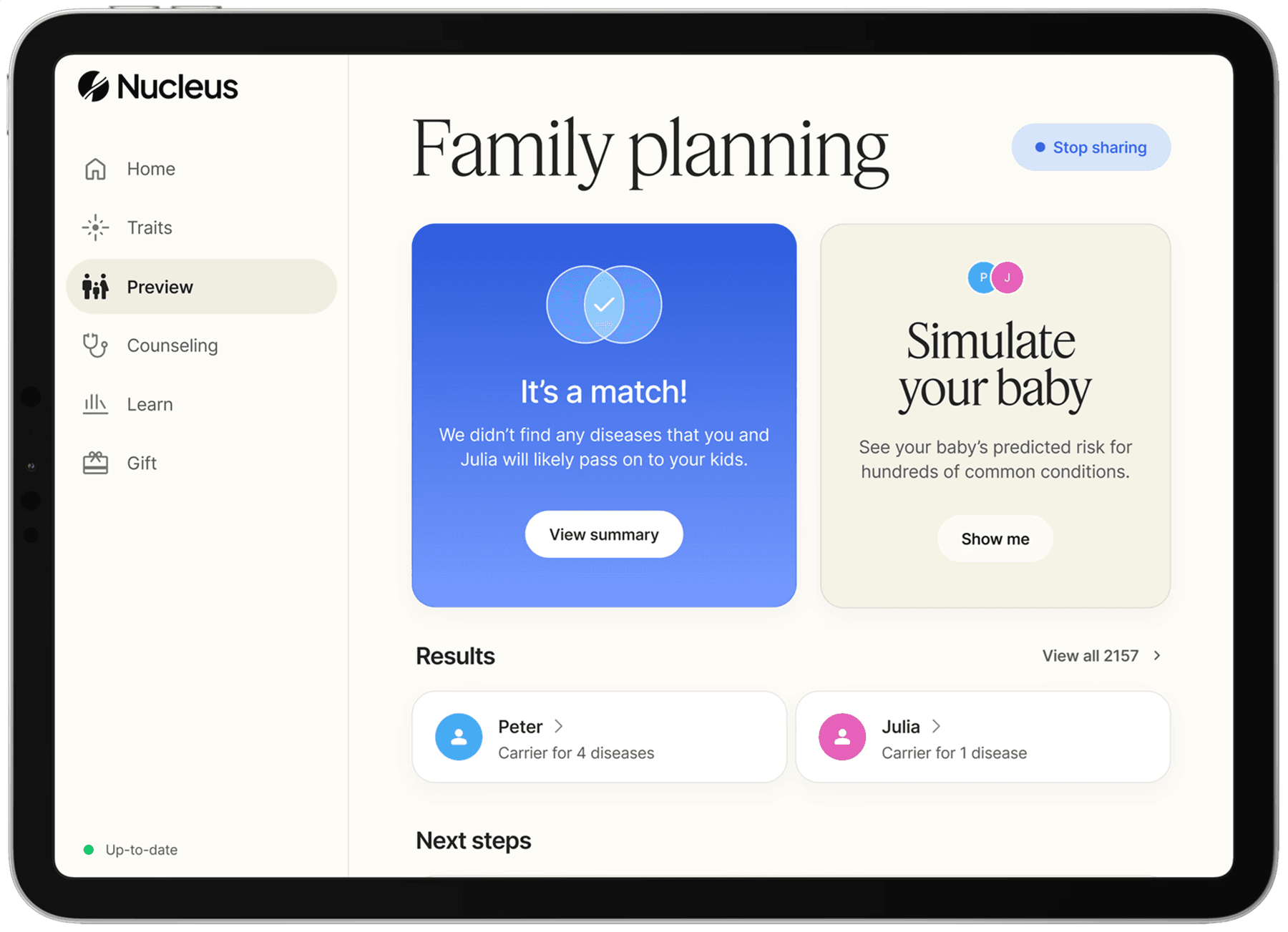
Preimplantation genetic testing: Explore comprehensive genetic testing options, including PGT-A, PGT-M, PGT-SR, and PGT-P, to inform your embryo transfer decisions.
Nucleus Embryo: Analyze and compare up to 20 embryos across mental and physical health, development, and well-being traits.
You also get 24/7 genetic counseling and additional IVF consultations included in the package. Nucleus’ integrated approach can increase the likelihood of a healthy pregnancy.
Book a call with our experts to get started today!
Featured image source: Helena Lopes