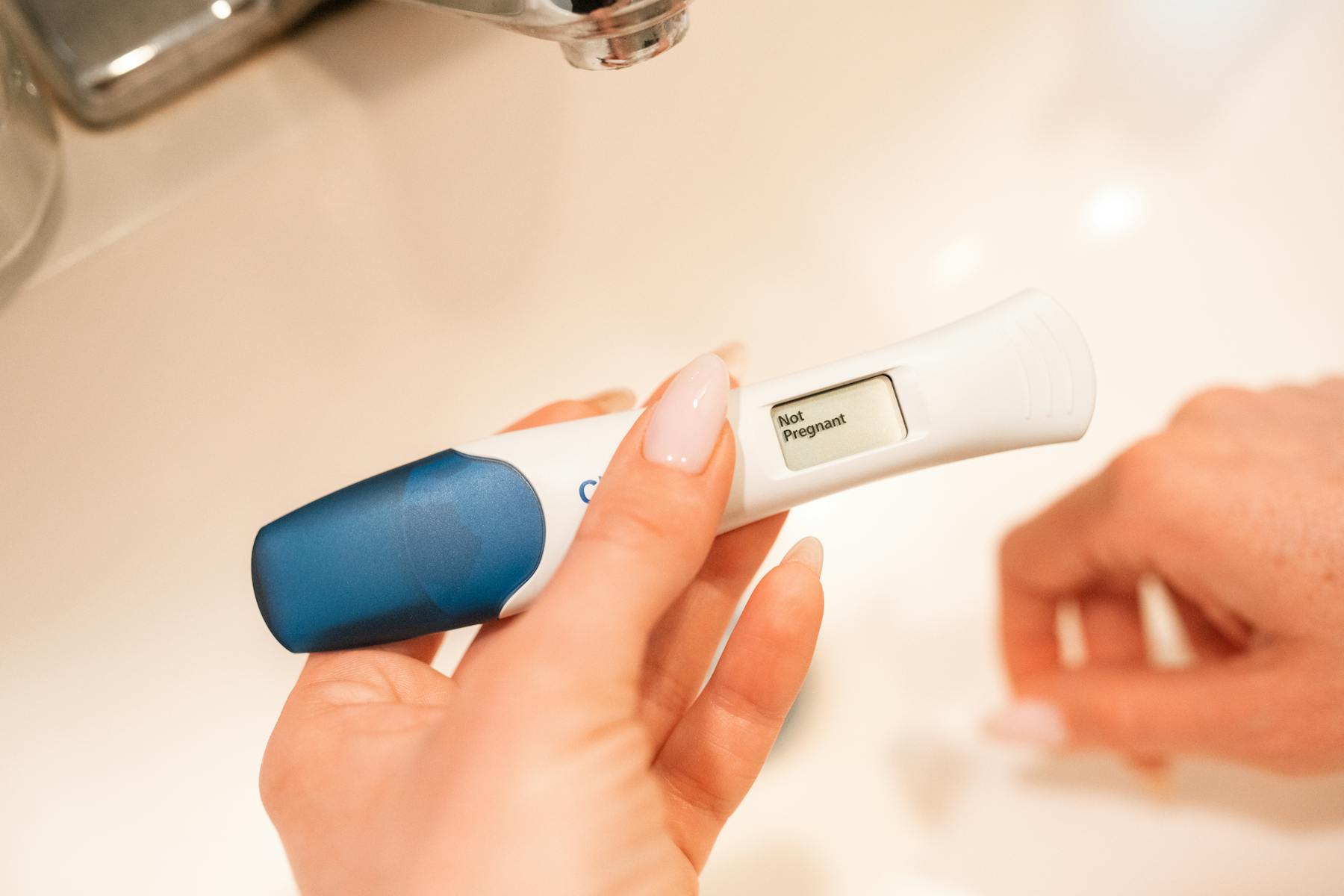

A failed IVF cycle is more than a medical outcome; it’s a challenging emotional and physical experience that requires a significant recovery period.
While IVF success rates vary by age, from over 50% for women under 35 to only 4% after 42, each attempt can bring valuable insights. Understanding what happens to your body after failed IVF can help you navigate the next steps with more clarity and compassion for yourself.
What is a failed IVF cycle?
IVF cycle failure can happen during different stages of this process:
Ovarian stimulation: You receive hormones to encourage the ovaries to produce multiple eggs. Failure can occur if the response is too weak or, in rare cases, too strong, leading to ovarian hyperstimulation syndrome.
Egg retrieval: It’s a procedure that collects the mature eggs. Sometimes, there are no viable eggs to retrieve.
Fertilization and embryo culture: Eggs are fertilized with sperm in the lab and monitored for several days. If embryos don’t grow as expected, a cycle fails or is canceled.
Embryo transfer: One or more embryos are placed into the uterus. If implantation doesn’t occur or the pregnancy test is negative, the cycle is considered failed.
Source: Nataliya Vaitkevich
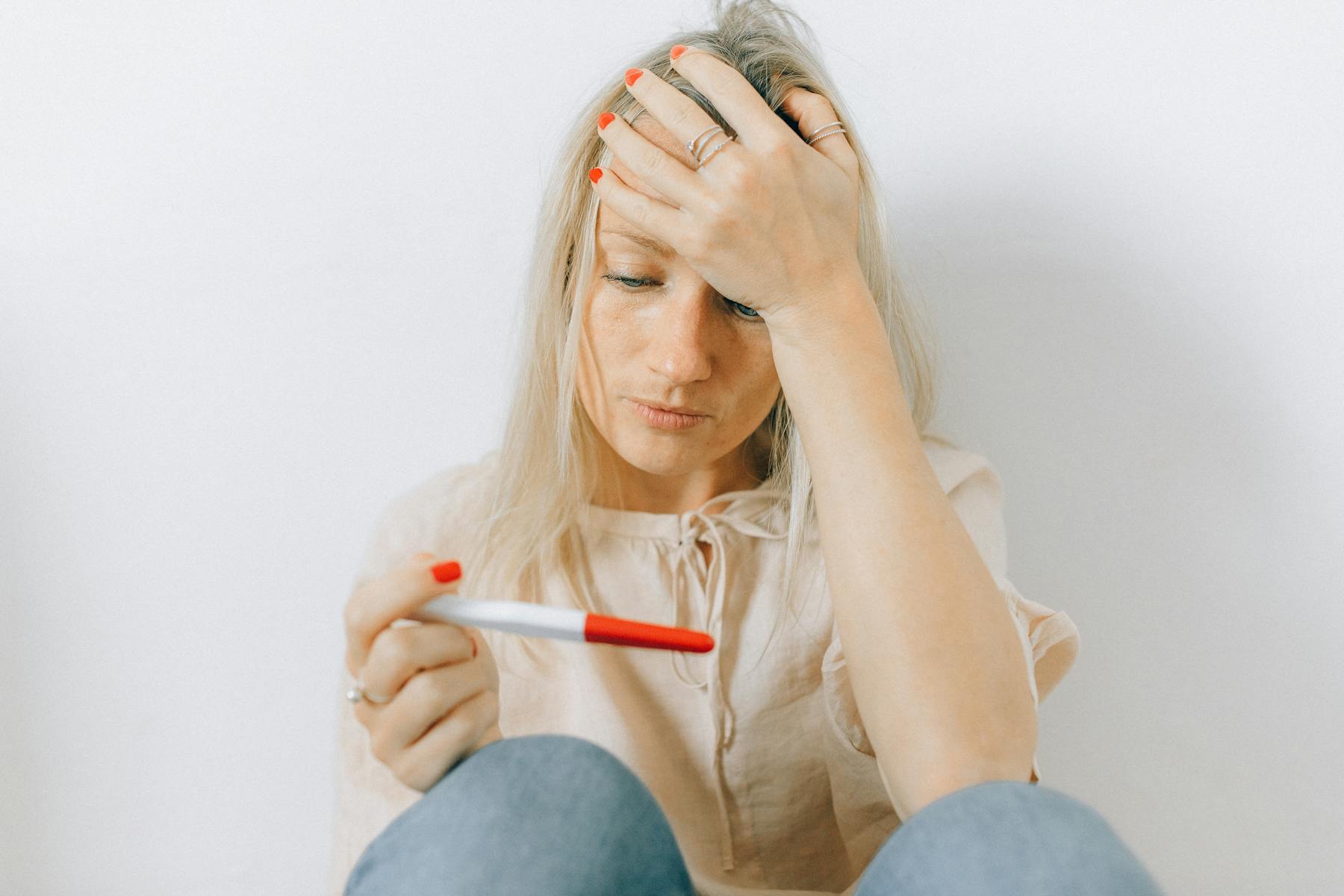
Although failed IVF cycles can feel like a significant setback, it’s not the end of your journey. Understanding when and why a cycle failed is the first step in making informed choices about what comes next and adapting the approach for the following attempt.
What happens when IVF fails: 5 recovery phases
Since your body has been on high doses of hormones, your recovery after a failed IVF cycle includes five aspects:
Physical symptoms and recovery
Hormonal readjustment
First period after a failed IVF cycle
Ovarian recovery
Potential complications

Source: Andrea Piacquadio
1. Physical symptoms after a failed IVF cycle
After you stop taking hormonal medications and/or injections, you will go through significant physical and emotional changes. The symptoms can vary from person to person, with some experiencing minimal discomfort and others needing more time to recover.
This period typically entails the following:
Bloating or abdominal discomfort: Ovarian stimulation causes multiple follicles to develop, which can make your ovaries temporarily enlarged and tender. Fluid retention may also contribute to bloating.
Breast tenderness: Hormone shifts after stopping progesterone or estrogen can make breasts sore or sensitive, similar to premenstrual symptoms.
Fatigue and sleep disruption: Hormonal fluctuations, combined with the emotional stress of a failed IVF cycle, can cause fatigue or sleep difficulties.
Headaches and nausea: Rapid changes in estrogen levels can trigger mild headaches or digestive discomfort.
Mood changes: Irritability, sadness, or anxiety are common and often mirror PMS, but can feel more intense due to the disappointment of the cycle outcome.
These symptoms usually begin to fade as hormone levels normalize, but it’s essential to listen to your body and give yourself time to rest and recover. Gentle exercise, adequate nutrition, and hydration can help alleviate some discomfort.
2. Hormonal readjustment
Once the cycle ends, artificially elevated hormones, such as FSH, LH, and progesterone, drop sharply. Besides symptoms like changes in appetite, digestive function, and mood swings, they can cause a withdrawal bleed, which resembles a regular menstrual period, but can be heavier and may include clots and thick endometrial tissue. This is normal and indicates that your body is starting to reset its natural cycle.
For women who experience a chemical pregnancy, when implantation occurs briefly but doesn’t progress, hormone levels may already rise and then fall. That can mimic early pregnancy symptoms, like nausea and breast tenderness, before returning to baseline levels.
3. First period after a failed IVF cycle
After a failed IVF cycle, menstruation usually resumes within one to two weeks, though timing varies. Factors affecting the return of your period include:
How your body responded to ovarian stimulation
Whether you were taking progesterone or other supportive medication
Your natural cycle length and hormonal baseline
Some women may notice a slightly heavier or lighter period than usual, or cramping that is stronger than typical PMS. That is usually not a cause for concern, but your doctor should monitor your cycle if it’s significantly delayed.
4. Ovarian recovery
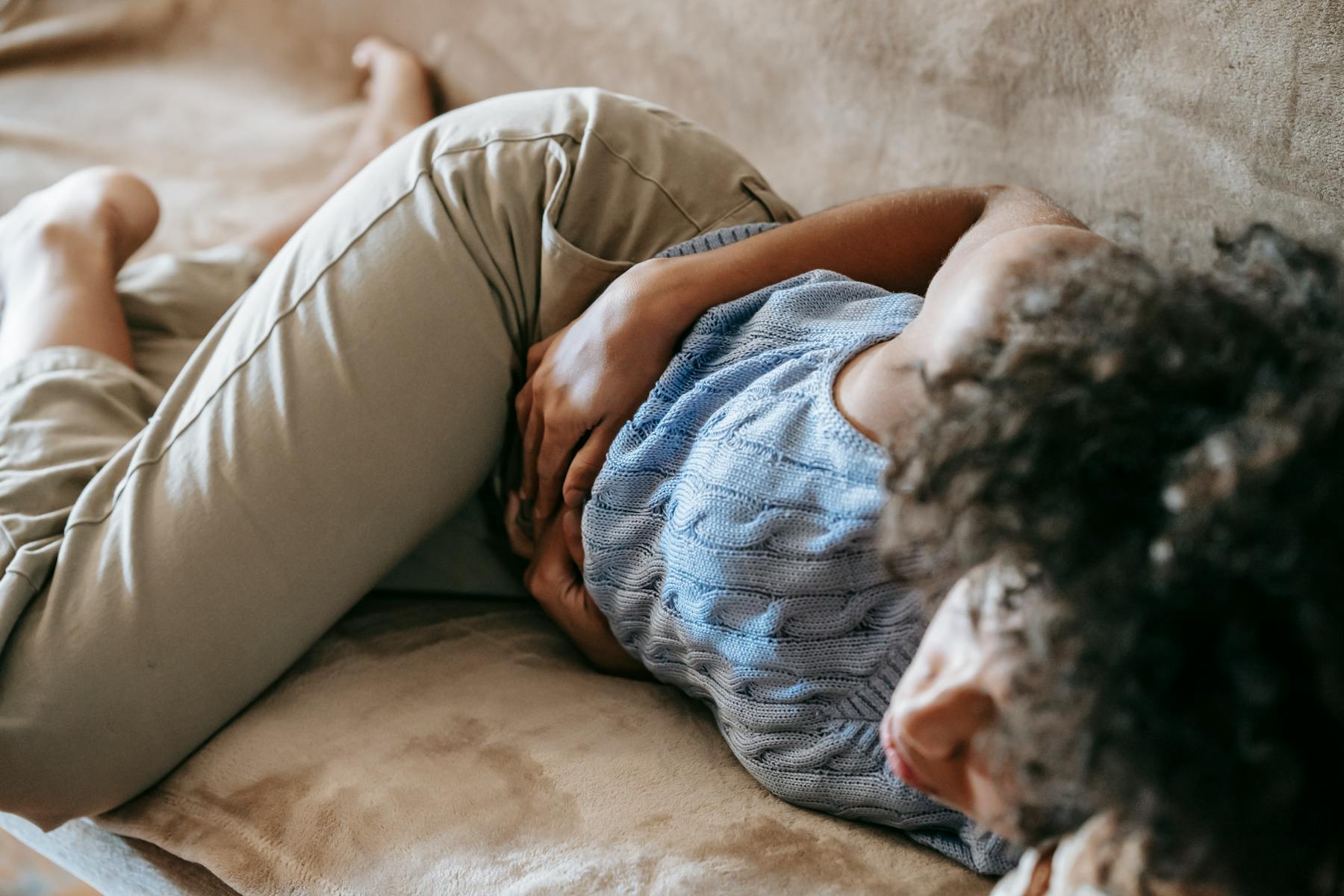
After stimulation, your ovaries may remain enlarged and tender for several days or even a few weeks after egg retrieval. In addition to bloating, you may experience:
Mild lower abdominal or pelvic pressure
Sensitivity when touching or pressing the area
Occasional sharp twinges as the ovaries shrink back to normal size
During this time, gentle activities like walking or light stretching can support circulation and reduce bloating, but you should avoid strenuous movement or heavy lifting. Most women recover fully after 2–4 weeks.
Source: Sora Shimazaki
5. Potential complications
While most of the physical responses after a failed IVF cycle are part of the body’s natural adjustment, some complications may arise during this period.
Ovarian hyperstimulation syndrome (OHSS) is the most notable risk. It occurs when the ovaries overreact to fertility medications, becoming more swollen and painful. Symptoms can include:
Severe bloating and/or abdominal pain
Nausea and vomiting
Shortness of breath in more severe cases
If OHSS develops during your IVF cycle, symptoms usually subside within days to a few weeks after the cycle ends, particularly once menstruation begins. This improvement happens because the body is no longer stimulated by hCG, which can worsen OHSS.
Most cases are mild and resolve without extensive treatment, but persistent or severe abdominal pain requires immediate medical attention.
You should also contact your doctor if you experience signs of infection, such as fever or chills, or heavy bleeding.
Recovery timeline after failed IVF cycles
For most people, physical recovery occurs within a few weeks, although the exact timing depends on individual factors.
Here is the typical timeline:
Timeframe | What to expect |
|---|---|
Days 1–7 |
|
Weeks 2–4 |
|
By month 2 |
|
A few factors can impact recovery, including:
Number of eggs retrieved: The more eggs retrieved, the longer the recovery time.
Complications: OHSS, infection after egg retrieval, intra-abdominal bleeding caused by egg retrieval, or blood clots caused by hormonal medications can delay healing.
Overall health: Good nutrition, hydration, rest, and moderate physical activity can speed up recovery.
Why does IVF fail?
IVF outcomes depend on many personal, medical, and procedural factors. Some of the most common reasons IVF doesn’t lead to pregnancy include:
Egg quality: Egg quality naturally declines with age, especially after 35, which increases the chances of chromosomal abnormalities that often lead to failed implantation, miscarriage, or lack of viable embryos.
Sperm quality: Poor sperm motility, low sperm count, and abnormal shapes can make fertilization harder.
Embryo quality: Even when fertilization goes well, some embryos fail to implant or stop developing. Chromosomal abnormalities are a frequent cause, but IVF can still fail even with healthy-looking embryos. Sometimes the reason lies in hidden genetic errors, lab conditions, or the complex biology of implantation itself.
Embryo transfer problems: If the embryo is not placed in the correct location in the uterus, it may decrease the chances of successful implantation.
Uterine conditions: A receptive uterus is critical for embryo implantation. Problems like fibroids, polyps, scar tissue, or a thin endometrial lining can prevent embryos from attaching and developing.
Hormonal imbalance: IVF relies on precisely timed hormone levels to prepare the body for embryo transfer. If hormones don’t rise or fall as expected, implantation may fail, even with healthy embryos.
Genetic factors: Some embryos may carry inherited conditions that prevent normal development, such as chromosomal rearrangements, deletions, or duplications. Preimplantation genetic testing, including PGT-A, PGT-M, and PGT-SR, can often detect these issues, but not all causes are identifiable in advance.
Immunity and implantation issues: The immune system may interfere with embryo acceptance. Even with top-quality embryos, implantation rates in IVF average around 60%, reminding us that biology is complex and not fully within human control.
Underlying health conditions: Thyroid disease, diabetes, obesity, and other chronic conditions can reduce IVF success rates.
Lifestyle factors: Smoking, excessive alcohol consumption, poor diet, and stress can all impact IVF success.
Bonus read: Explore our guides to learn about your embryos:
How to deal with IVF failure
The physical side effects of a failed IVF cycle fade within weeks, but the disappointment, grief, and stress can last longer. Acknowledging the emotional impact is as important as caring for your body, so here’s what to do:
Allow yourself to grieve: A failed IVF cycle can feel like a loss, even if a pregnancy never began. Take time to process sadness, anger, or frustration without judgment.
Seek support: Talking to a therapist, joining an infertility support group, or connecting with others who have been through IVF can ease the sense of isolation.
Practice self-compassion: Remember that IVF outcomes aren’t a reflection of your worth or effort. Many people require more than one cycle to achieve success.
Talk openly: IVF can bring couples closer together, but it can also create tension. Share your feelings with your partner rather than bottling them up.

Source: Juan Pablo Serrano
What to do after a failed IVF cycle
The first step after a failed IVF cycle is to schedule a debrief with your fertility specialist. That is your opportunity to:
Review what happened in detail
Discuss potential causes of failure
Explore innovative tests that might provide clarity, including:
Advanced embryo genetic testing
Hysteroscopy
Immunological evaluations
Endocrine panels
Consider options like donor eggs, donor sperm, donor embryos, and gestational surrogacy
If you decide to try again, most clinics recommend waiting one to three menstrual cycles before another round. Your doctor will personalize this timeline depending on your recovery, emotional readiness, and details of your last cycle. In the meantime, you can focus on improving your overall health, which can enhance your chances of IVF success.
Deciding on what to do after IVF failure requires balancing medical advice, emotional resilience, financial considerations, and insurance options, which can be overwhelming. That’s why having guidance that connects all the dots can make the next step more straightforward and less chaotic. The solution? Nucleus IVF+.
Nucleus IVF+ is an all-inclusive IVF package that integrates coordinated fertility treatment, embryo screening, genetic optimization, and concierge-like support with one aim: to help you move forward with clarity, confidence, and minimal logistical friction.
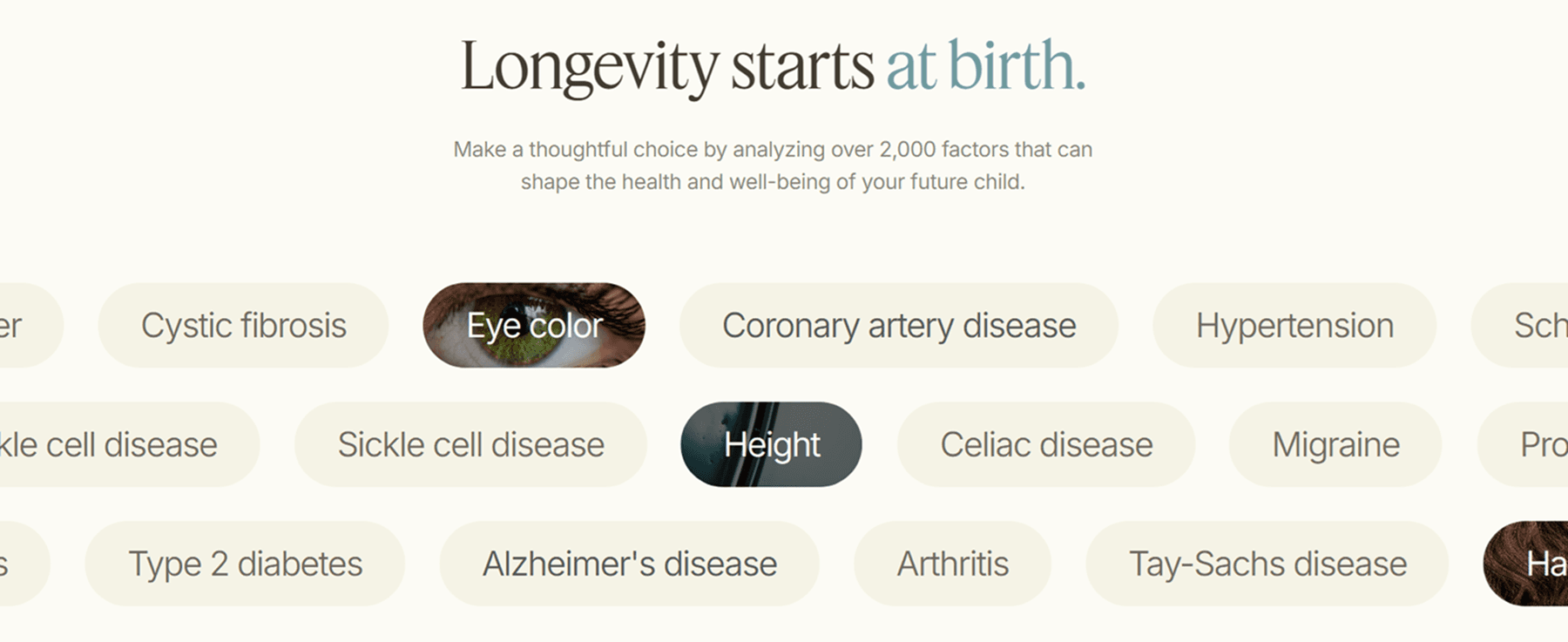
Nucleus IVF+: Expert support on your way to parenthood
Nucleus IVF+ helps you organize and navigate every stage of IVF carefully, making the experience feel clearer and less stressful. With Nucleus, you’re not trying harder, but trying smarter.
The platform offers:
All-inclusive, personalized care: Instead of coordinating multiple providers and tests, everything is streamlined into a single package, from selecting the right clinic and receiving a tailored treatment plan to choosing the right embryo. You get recommendations that fit your health, age, and fertility history.
Genetic optimization: You gain access to:
Comprehensive whole-genome carrier screening for over 2,000 inherited conditions that you may unknowingly pass on to your child
Preimplantation embryo screening options to assess chromosomal health
Deep embryo analysis that goes beyond viability and looks at the long-term health potential of your embryos
Round-the-clock support: Support from genetic counselors is available 24/7 to answer all your questions.
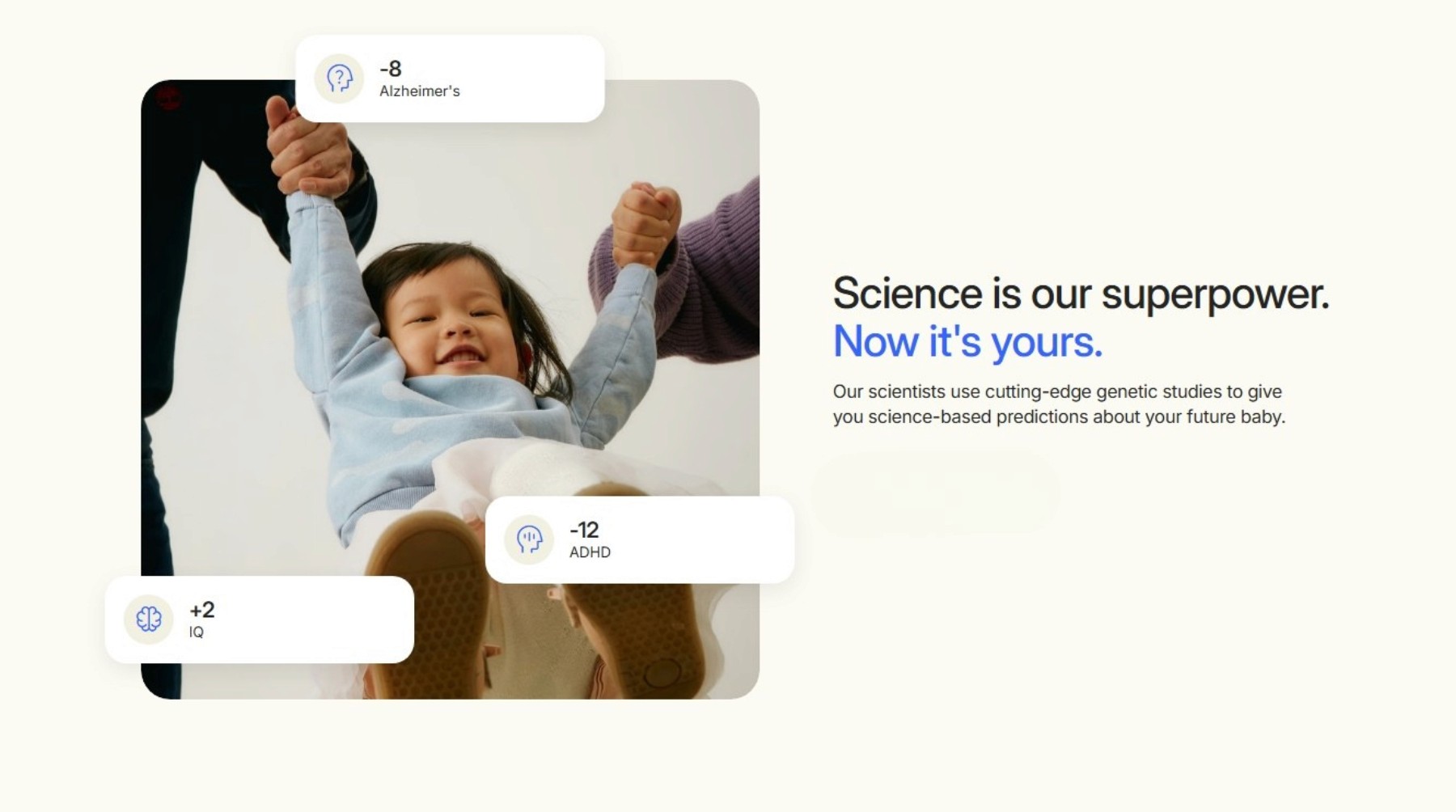
Even in the case of a negative test result, Nucleus helps translate medical data and genetic insights into understandable advice that can guide you through upcoming cycles.
Take the next step and book a consultation with the Nucleus team.
You may also like…
Featured image source: RDNE stock project