

When starting IVF, one of the first steps your fertility specialist will recommend is a series of tests, both for you and your partner (if applicable). These tests are crucial for understanding your health, creating a tailored treatment plan, and maximizing your chances of success.
Some tests check your general health to make sure your body is ready for pregnancy, while others look at fertility factors, such as egg quality, sperm health, and the condition of the uterus. In recent years, advanced genetic testing has also emerged to help future parents feel more certain on their path to parenthood.
We will explain what tests need to be done before IVF, why each matters, and how they fit in your IVF timeline.
What tests are done before IVF to assess general health?
Your doctor will perform a series of tests that identify underlying issues that could affect fertility treatment, implantation, or your ability to carry a pregnancy safely. Depending on your situation, initial consultation, or preliminary results, your doctor will decide which tests may be necessary.
Below are the most common tests done before IVF to assess general health, including:
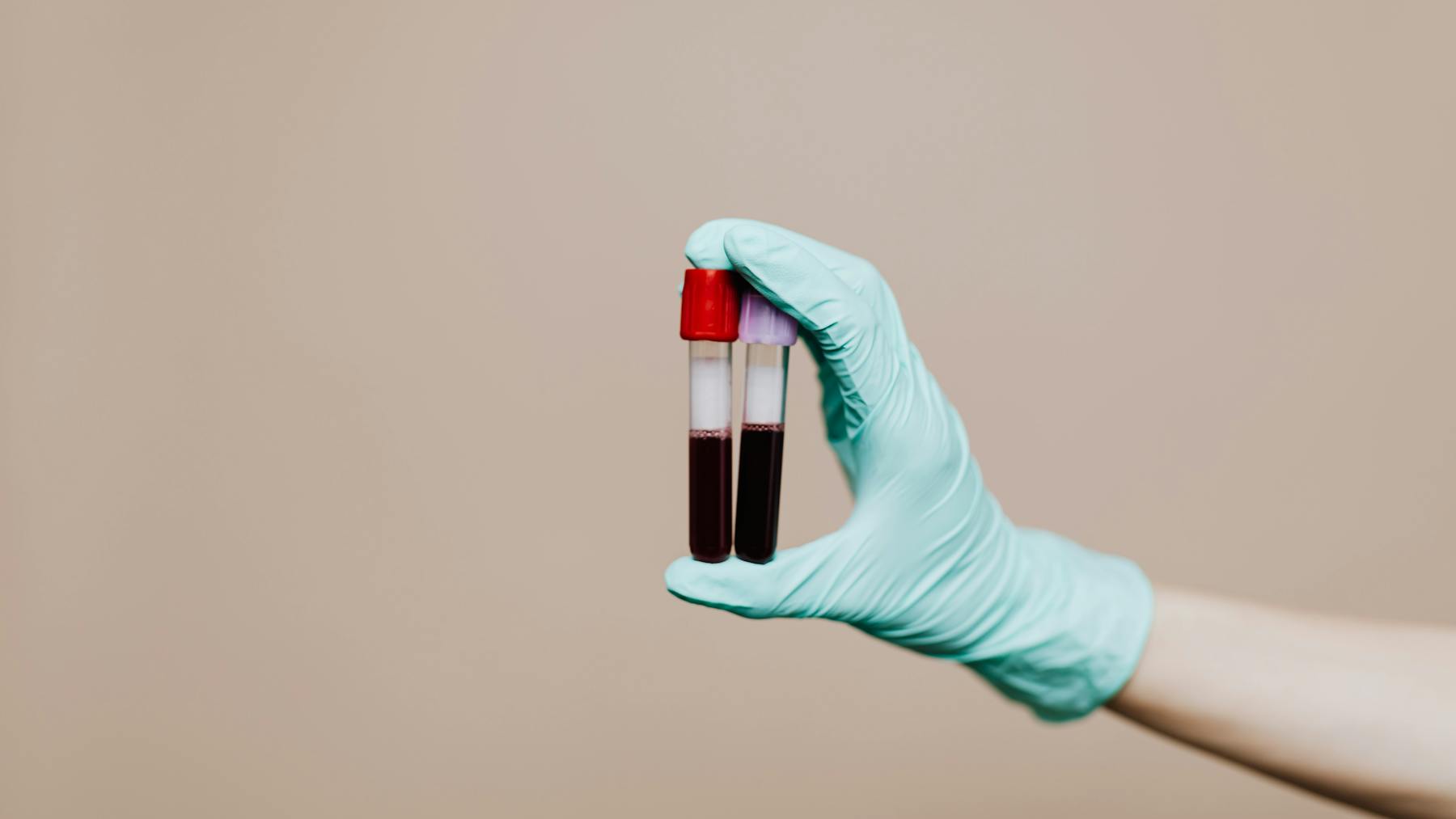
Blood tests
Thyroid function tests
Infectious disease screening
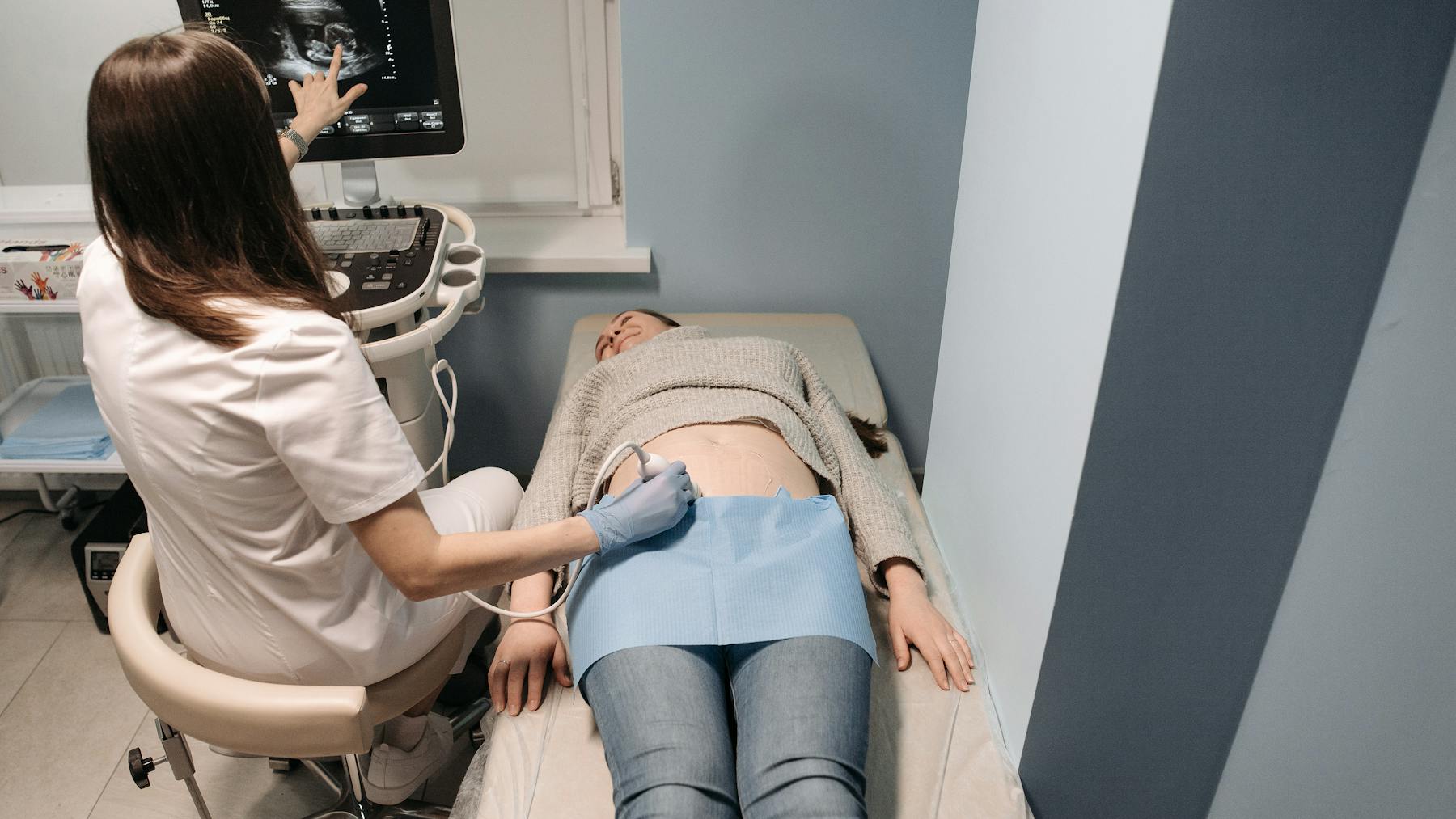
Female-specific tests
Source: Pavel Danilyuk
1. Blood tests are done before IVF to check general health
One of the first steps in IVF preparation is blood work to help uncover underlying health issues and prepare for potential pregnancy complications. Some tests are standard for nearly everyone starting IVF, while others may be ordered based on personal health history.
Here is an overview of common blood tests done before IVF:
Blood test | What it checks | Why it matters |
|---|---|---|
Complete blood count (CBC) |
| Detects anemia, infection, or clotting issues that could complicate treatment or pregnancy |
Blood type | ABO and Rh blood group | Important for planning around Rh incompatibility or ABO incompatibility between parents |
Blood sugar (HbA1c) |
| Detects diabetes or prediabetes (need to be managed before pregnancy) |
Comprehensive metabolic panel (CMP) |
| Ensures your body can safely handle IVF medications and pregnancy changes |
2. Thyroid function tests
Thyroid hormones regulate metabolism, menstrual cycles, and ovarian function. They also help prepare the uterine lining for embryo implantation.
Studies show that women with high thyroid-stimulating hormone (TSH) levels, particularly above 2.5mlU/L, have:
Lower fertilization rates
Reduced IVF success
Higher miscarriage risks
Here are common thyroid function tests performed before IVF:
Thyroid function test | What it checks | Why it matters |
|---|---|---|
TSH | Measures how much stimulation the thyroid gland is receiving from the pituitary gland | Detects thyroid imbalance |
Free T4 and free T3 | Active thyroid hormones circulating in the blood | Ensures the body has enough thyroid hormone for fertility, embryo development, and pregnancy maintenance |
Thyroid antibodies (TPO, Tg) | Detects autoimmune thyroid disease such as Hashimoto’s and Graves’ | Can affect fertility and raise the risk of pregnancy complications |
3. Infectious disease screening
Infectious disease testing is a standard part of IVF preparation, and is often required by law. If a test comes back positive, it doesn’t necessarily mean that IVF is off the table, but treatment, precaution, or informed consent are often needed.
Stricter rules apply to sperm or egg donors as many clinics won’t accept anonymous donors who test positive.
Common infectious disease tests before IVF include:
Human immunodeficiency virus (HIV-1 & 2)
Human T-lymphotropic virus (HTLV-1 & 2)
Hepatitis B surface antigen (HBsAg)
Hepatitis B core antibody (HBcAb/Anti-HBc)
Hepatitis C antibody (Anti-HCV)
Syphilis (VDRL or RPR)
Gonorrhea & chlamydia
Your doctor may also check your immunity status for rubella and varicella, either via vaccination or past infection. If not immune, vaccination is recommended and sometimes required, and IVF is postponed for one to two months.
4. Female-specific general health screenings before IVF
Not all checks that focus on female health are necessary, especially for younger women, but doctors may recommend them based on age, personal history, or overall health.
Here are some screenings you may expect before you can begin IVF:
Test | What it checks | Why it matters |
|---|---|---|
Pap smear | Cervical cells for precancerous or cancerous changes | Ensures that the cervix is healthy before IVF and reduces risks during pregnancy |
Mammogram (especially age 39+) | Breast tissue via X-ray | Detects early signs of breast cancer that could complicate pregnancy or treatment |
Medical clearance (age 44+) | General health assessment | Helps doctors determine whether IVF and pregnancy are safe at a later reproductive age |
Electrocardiogram (age 44+) | Electrical activity of the heart | Evaluates heart health and strength before treatment and pregnancy |
What fertility-specific tests are done before IVF?
Fertility-specific checks give insight into egg supply, sperm quality, and the condition of the uterus; all crucial elements for a successful cycle.
Fertility testing falls into two groups:
Female fertility tests
Male fertility tests
Source: Pavel Danilyuk
1. What are the necessary female fertility tests?
Female fertility tests include hormone and imaging tests that help your doctor understand how your reproductive system may respond to stimulation and whether any issues need addressing before treatment.
Blood tests during the IVF cycle to check hormone levels
At any point during your preparation for IVF, your doctor will order a blood test that checks your prolactin (PRL) levels. This pituitary gland hormone can interfere with ovarian stimulation and embryo implantation.
Particular hormone tests are performed at two specific points in your menstrual cycle, as presented below:
Day 3 blood work | Day 21 blood work | ||
|---|---|---|---|
What is tested? | Why it matters | What is tested? | Why it matters |
Follicle-stimulating hormone (FSH) | Indicates ovarian reserve; high levels suggest lower egg quantity and/or quality | Progesterone and estradiol | Helps determine whether ovulation occurred this cycle |
Luteinizing hormone (LH) |
| Anti-Müllerian hormone (AMH) |
|
Estradiol (E2) | Supports the interpretation of FSH; high levels may indicate lower ovarian function | Thyroid levels | Confirms hormonal balance before IVF begins |
Imaging and ultrasound tests before IVF
Your medical team will perform a series of imaging and ultrasound tests to examine your ovarian reserve further and assess the health of your uterus and fallopian tubes.
Here’s what you can expect:
Antral follicle count: Counts small ovarian follicles at the start of the cycle; fewer than five to seven follicles suggest a potentially lower response to stimulation
Pelvic ultrasound: Evaluates the uterus and ovaries; checks for polyps, fibroids, cysts, and other abnormalities
Sonohysterography: Uses fluid and ultrasound to visualize the uterine lining in detail
Hysteroscopy: A thin, lighted telescope inserted through the cervix for direct visualization of the uterine cavity
Tubal patency test (HSG): X-ray imaging with contrast dye to check whether the fallopian tubes are open and the uterine shape is normal
Mock embryo transfer: Determines the length and position of the uterus to anticipate potential embryo transfer difficulties
2. What are the necessary fertility tests for men?
Male factor is solely responsible for about 20% and is a contributing factor in an additional 30% to 40% of infertility cases. For male fertility testing, most men start with a general evaluation, and additional tests are ordered if abnormalities are detected or if there is a history of infertility.

Source: Cottonbro studio
Common male fertility tests include:
Semen analysis: Measures sperm count, motility (movement), and morphology (shape) to assess fertility potential
Sperm chromatin structure assay (SCSA): Checks for DNA fragmentation in sperm, which can affect IVF outcomes and lead to repeated cycle failures
Hormone evaluation: Blood tests during the IVF cycle measure testosterone, FSH, and LH, which regulate sperm production
Physical exam: Identifies anatomical issues like varicoceles (abnormal vein formations above the testicles), which can be surgically corrected
Scrotal and transrectal ultrasound: Imaging tests to detect structural problems in the testicles, prostate, or sperm transport pathways
Anti-sperm antibody testing: Checks for antibodies that may attack sperm and prevent fertilization
Post-ejaculation urinalysis: Detects retrograde ejaculation, where sperm travels into the bladder instead of out of the penis
Testicular biopsy: Examines sperm production directly; used when other tests suggest blockages or abnormal sperm transport
Specialized sperm function tests: Assess sperm survival, egg penetration ability, and binding function
Genetic screening before IVF
Genetic screening before and during IVF treatment can help identify inherited conditions, chromosomal abnormalities, and potential health risks, as well as improve your chances of IVF success.
These tests fall into three groups:
Chromosomal testing
1. What is carrier screening?
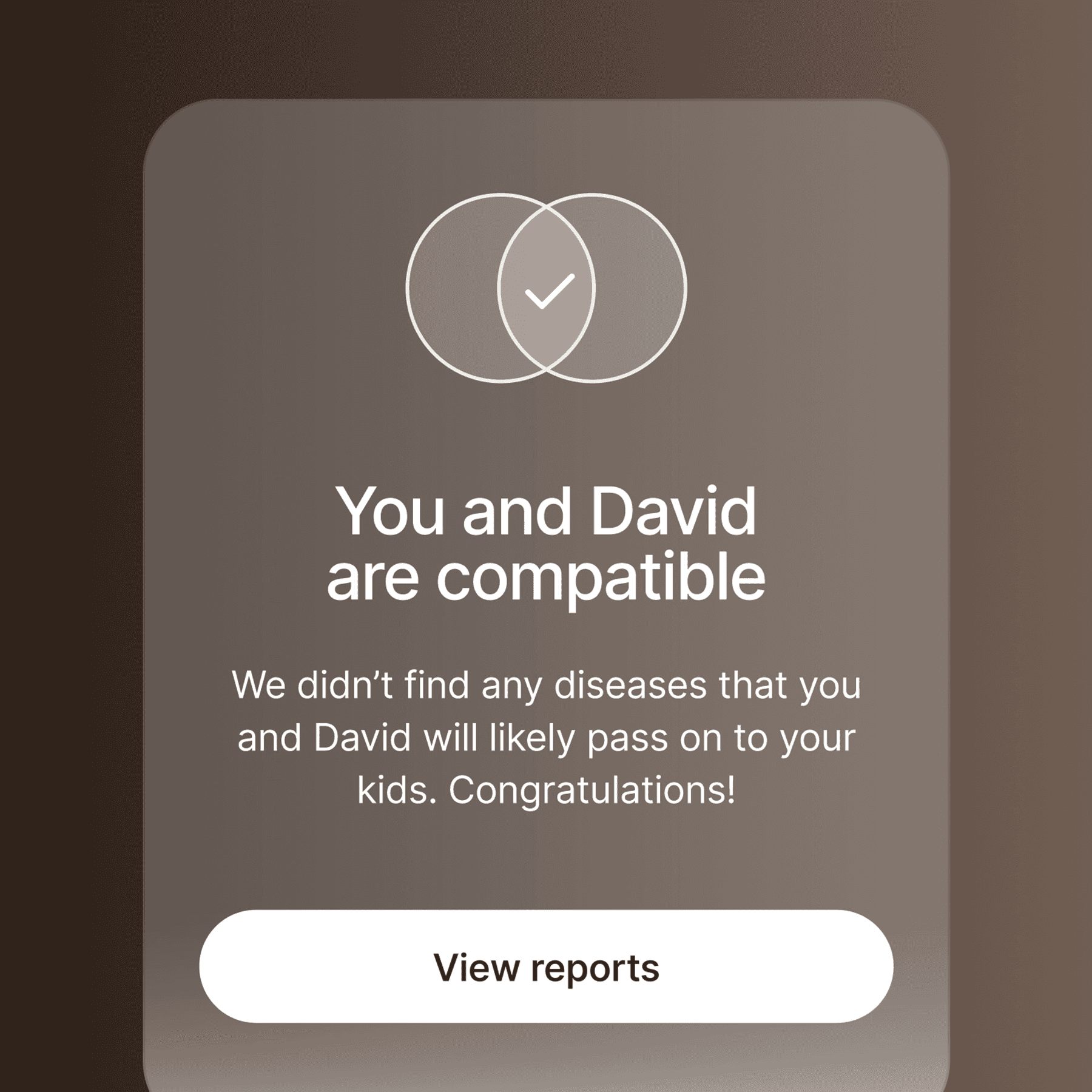
Carrier screening or preconception genetic testing identifies whether either parent carries genes for inherited conditions that could be passed on to a child. Many genetic disorders are recessive, so a child would only be affected if both parents carry the same altered gene.
The greatest benefit of carrier screening is that it helps uncover these risks even when there is no family history of a condition. That’s relevant today since studies show that about 80% of children born with a genetic disorder have no prior family history.
Carrier screening is typically performed using a simple blood or saliva test, and the results help determine which additional tests are necessary during IVF and embryo selection. It can also suggest whether other reproductive strategies, such as using donor eggs, sperm, or embryos, are advisable.
2. What is chromosomal testing?
Chromosomal testing examines the number and structure of chromosomes in prospective parents. Chromosomes carry gene material, and abnormalities can affect fertility (for instance, changes to the Y chromosome may cause low sperm concentration), embryo development, and pregnancy outcomes.
Some chromosomal issues are balanced in the parent, so they don’t affect the parent’s health, but can lead to miscarriage or disorders in the child.
Tests for chromosomal abnormalities may include a karyotype test for parents or genetic analysis of embryos during IVF.
Source: Kaboompics.com
3. What is preimplantation genetic testing (PGT)?
About 2.8 million children in the U.S. have a genetic disorder. PGT analyzes embryos created through IVF to detect genetic or chromosomal abnormalities before transfer. It helps identify embryos with the highest chance of healthy development.
The table below describes the types of PGT available:
PGT type | Purpose |
|---|---|
PGT-A |
|
PGT-M | Tests for specific inherited conditions when there is a known family history of conditions like cystic fibrosis, hemophilia, sickle cell disease, muscular dystrophy, etc. |
PGT-SR | Detects chromosomal structural abnormalities, such as translocations or inversions |
PGT-P | Assesses embryos’ long-term risk for common adult-onset and chronic conditions |
Studies show that many women feel that having children is like a lottery. PGT can help reduce that uncertainty with deep insights into an embryo’s health. It’s a proactive option worth discussing with your doctor once your pre-IVF testing is done and the cycle is about to begin.
Understanding which tests to take and when can be confusing, which makes your IVF process unnecessarily demanding and scattered. Future parents can benefit from clear, expert guidance, and that’s what Nucleus IVF+ provides: personalized support to help you choose the right tests, access the best clinics, and make informed decisions rooted in science and transparency.
How Nucleus IVF+ guides smarter, more confident decisions
Between carrier screening, embryo testing, and treatment decisions, it’s easy to feel uncertain before and during IVF. Nucleus brings together advanced genetic tools, a strong clinic and testing network, and expert support so every choice feels informed and intentional for your journey.
Nucleus IVF+ can help you make confident decisions by providing:
Pre-IVF genetic screening with Nucleus Preview for over 2,000 inherited genetic conditions. Nucleus uses whole-genome sequencing to analyze nearly 100% of your DNA, revealing inherited conditions, fertility factors, and pregnancy-related risks. With guidance from certified genetic counselors, you’ll understand what these results mean for your treatment.
Deeper embryo insights with genetic optimization software that helps you look beyond standard results. It allows you to compare embryos based on predicted health, disease risk, and well-being traits, enabling you to select an embryo with the best potential for a successful outcome.
Expert guidance at every step, matching you with the right IVF clinic and helping you choose a genetically compatible donor if necessary. Nucleus connects your test results, clinic decisions, and embryo data in one coordinated program. With 24/7 access to genetic counselors, you’ll never feel alone.
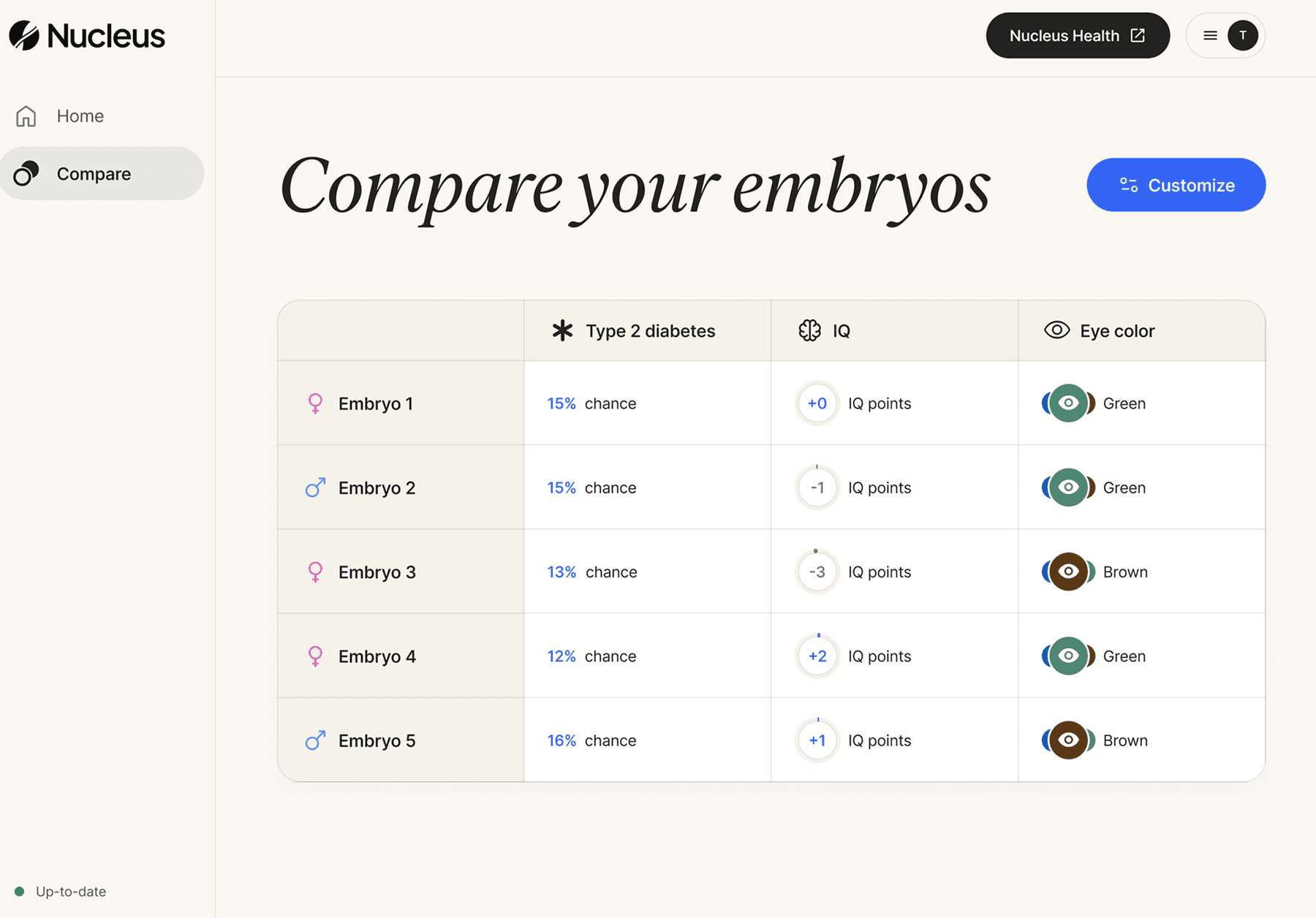
You get all your IVF cycle needs, medication, testing, consultations, and relevant Nucleus products and services under one cost-effective package.
Book a call with us if you’re ready to start your journey to parenthood.
You may also like…
Featured image source: Karola G