

Getting birth control pills prescribed by your doctor before IVF can feel counterintuitive since the goal is to get pregnant, but birth control can help prepare your body for a smoother, more predictable IVF process.
This guide explains why birth control before IVF could improve your IVF experience, when to start, and how long to be on birth control before IVF. You will also learn what side effects to watch out for and when contraception is not advisable.
Why do you take birth control before IVF?
Birth control allows fertility doctors to press pause on your natural cycle and create a more controlled starting point for IVF.
In a natural cycle, your body releases two important hormones that support egg development and release:
Follicle-stimulating hormone (FSH), which helps eggs mature inside the ovaries
Luteinizing hormone (LH) triggering triggers ovulation and preparing the uterus for implantation
This process can be unpredictable and further complicate IVF.
Combination birth control pills contain synthetic estrogen and progesterone (hormones that suppress your body’s natural release of FSH and LH), which stop ovulation. Instead of an egg being released, your ovaries are at rest. This baseline state is what fertility specialists want before starting stimulation medications.
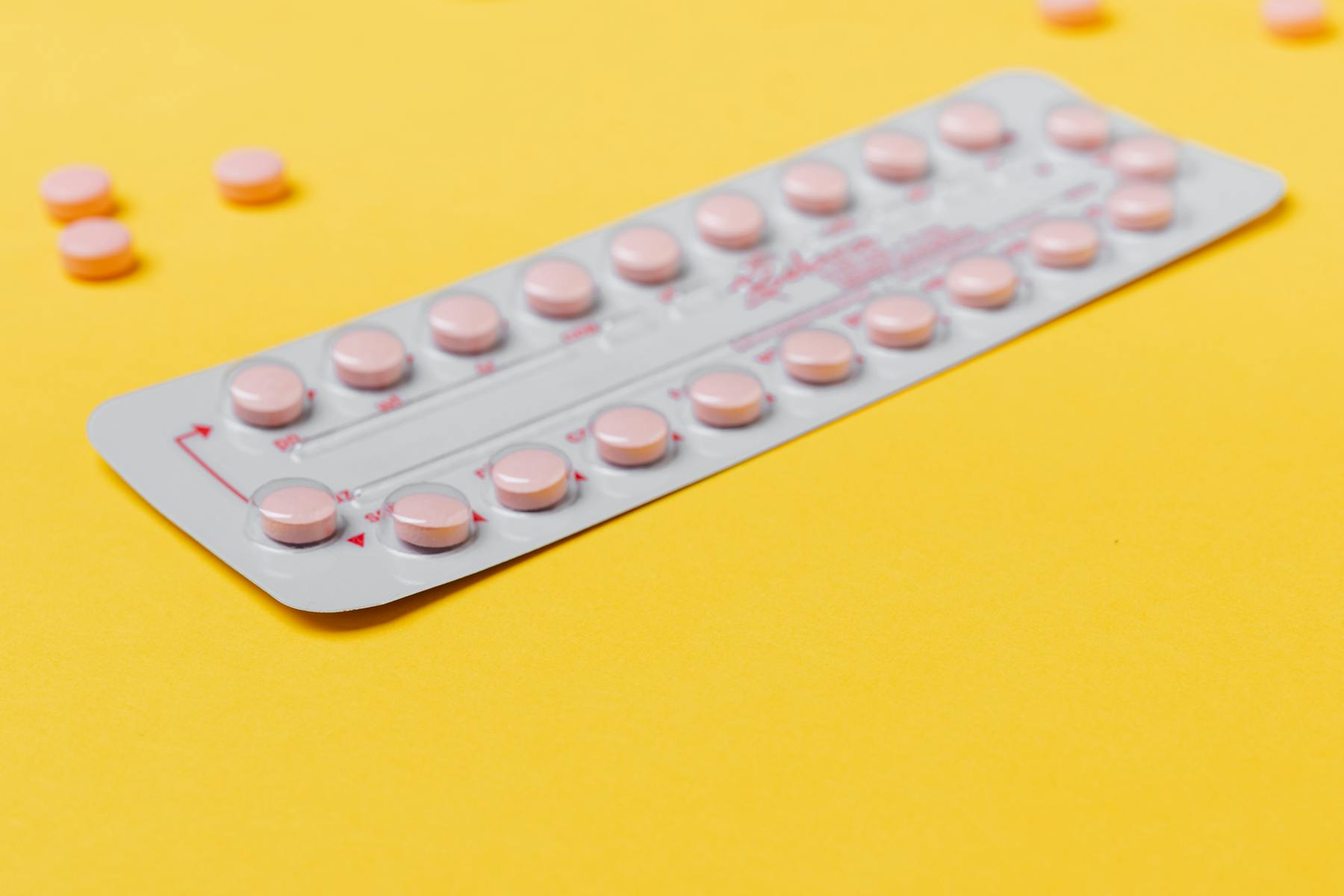
Source: Kaboompics.com
How birth control helps prepare for IVF
The first two stages of IVF are:
Ovarian stimulation: You’ll take fertility medications containing FSH and LH for about 8–14 days. These drugs stimulate your ovaries to produce multiple mature eggs simultaneously (instead of the usual one). Then another medication triggers ovulation.
Egg retrieval: It’s a brief surgical procedure to collect mature eggs, which can be fertilized to create embryos or frozen for fertility preservation.
Taking birth control pills before IVF gives your doctor more control over your body’s response to stimulation medications. Since it calms your ovaries and stops FSH and LH release, your care team can use stimulation drugs more effectively and in lower doses, reducing the risk of complications such as:
Ovarian hyperstimulation syndrome (OHSS), causing enlarged ovaries, fluid retention, and weight gain
Early LH surge, triggering ovulation too early
Ovarian cysts, causing bloating, swelling, and pain
Is birth control used in other fertility treatments?
Birth control helps regulate your cycle, control hormone levels, and make the timing of procedures more predictable, which makes it useful for the following treatments:
Fertility testing: Procedures like hysterosalpingogram (HSG) and saline infusion sonohysterogram (SIS) are most effective during specific windows of your menstrual cycle. Taking birth control pills allows your doctor to schedule these tests at optimal times and increase their accuracy.
Hysteroscopy preparation: Before examining the uterus and cervix with an endoscope, birth control can help thin the uterine lining, making it easier to identify issues like polyps or fibroids.
Wait times during treatment: Sometimes, birth control can be prescribed while waiting for embryo testing results or surgical scheduling, so your cycle is paused until the next steps are ready.
Benefits of taking birth control before IVF
Birth control before IVF offers other advantages that can make your fertility treatment smoother, including:
Cycle regulation: For women with irregular cycles, the pill helps establish a predictable timeline, making it easier to know exactly when stimulation and retrieval will begin.
Ovarian reset: Putting ovaries a t rest before stimulation prevents follicles from developing unevenly. Instead of one follicle growing too quickly, multiple follicles can develop in a synchronized way.
Reduced cycle disruptions: Birth control lowers the chance of persistent follicles or cysts interfering with your cycle.
Better stimulation response: Pretreatment with medication can enhance follicle growth during stimulation. Some studies indicate that it may increase overall egg yield.
Scheduling flexibility: Birth control enables your care team to coordinate treatment dates more effectively around your health, clinic schedules, or personal needs.
Stress reduction: Predictability reduces anxiety about timing.

Source: RDNE stock project
How long should you take birth control before IVF?
How long you take birth control before IVF depends on your medical profile, ovarian reserve, age, and the clinic-provided protocol.
For example, women with a robust ovarian reserve may benefit from a short treatment with oral contraceptives to suppress follicle activity and help synchronize egg development. In contrast, women with low ovarian reserve, premature ovarian insufficiency, or women in early menopause may be advised against taking birth control because additional suppression can reduce their response to stimulation.
Research also shows that there isn’t a single correct timeline. For instance:
A 2020 study reported participants took birth control for 12–30 days, followed by a five-day break before IVF. It found that this protocol didn’t negatively impact success rates. The duration of birth control treatment didn’t affect the chances of clinical pregnancy or live birth.
A 2019 study tracked women taking contraceptives for 21 days. It showed that pretreatment birth control had no significant effect on IVF outcomes.
A 2016 study examined women on birth control for 10–14 days, followed by a 2–3-day break before controlled ovarian stimulation began. While it found that birth control led to a slightly longer stimulation time and required higher doses of medication, it ultimately resulted in similar numbers of mature eggs and equivalent rates of clinical pregnancy and live birth.
When to start birth control before IVF
Before you start taking birth control pills, your doctor will perform a baseline ultrasound and bloodwork to check your ovaries.
The table below shows when you start birth control for IVF and the typical timeline:
Step | Usual timing | What happens |
|---|---|---|
Start birth control | Day 1–5 of your period | Birth control treatment starts once your doctor confirms your ovaries are clear. |
Duration of birth control | 10–21 days (sometimes extended to 42 days) | Pills suppress follicle activity and regulate your cycle. |
Stop birth control | Usually around 2–3 weeks | You discontinue the pills and wait for a short bleed. |
Rest period | 3–5 days after stopping birth control | The ovaries are checked again by ultrasound or bloodwork to confirm they’re at rest. |
Ovarian stimulation begins | After the last day of rest | You start injectable medications to grow multiple eggs for retrieval, which marks the official start of your IVF cycle. |
What type of birth control is used in IVF?
Birth control pills vary in the amount of hormones delivered in each pill. If used before IVF, your doctor must select the type that provides consistent hormone levels and optimal cycle control.
The two primary options are:
Combined oral contraceptive pills (OCPs): These pills contain synthetic estrogen and progesterone (hormones found in many standard birth control pills). IVF protocols typically use monophasic pills, which deliver the same dose of hormones in every active pill. This steady hormone level helps keep your ovaries quiet and your cycle predictable. Pills are usually taken once per day at roughly the same time.
Progestin-only pills: Although these pills can also help suppress ovarian activity, they may not be as effective as those containing both estrogen and progesterone. Progestine-only pills, such as norethindrone, are generally prescribed to women who can’t take estrogen for medical reasons.

Source: Jeshoots.com
Some clinics also offer NuvaRing as an alternative to daily pills. Inserted vaginally, the ring continuously releases hormones, maintaining a steady level of estrogen or progesterone without oral consumption.
What are the side effects of birth control before IVF?
Side effects of birth control vary depending on the type of pill used but are typically mild and temporary.
The most common unwanted reactions include:
Spotting between periods
Nausea
Breast tenderness
Headaches or migraines
Mood swings
Vaginal changes, such as dryness or changes in discharge
Decreased libido
Minor weight changes
In some cases, combination pills may slightly increase the risk of cardiovascular problems, such as blood clots, stroke, or heart attack, so they may not be recommended to everyone.
Who shouldn’t take birth control before IVF?
Birth control pills are generally safe, but they may not be advisable if you have a history of:
Blood clots or clotting disorders
Heart attack or stroke
High blood pressure
Migraine with aura
Breast cancer or other hormone-sensitive cancers
Diabetes
Liver tumors
Age and lifestyle factors also matter. For instance, people over 35 who smoke are advised against taking estrogen-containing pills due to higher cardiovascular risk.
Understanding your individual needs and risks, as well as timing your cycle correctly, are crucial in IVF. The entire process can feel overwhelming because it involves multiple stages that must be synchronized to achieve optimal results.
Some steps of IVF, such as finding embryo testing options, may not be handled by your fertility specialist, and that can be confusing for future parents already juggling a lot. That’s why having a guidance and support program like Nucleus IVF+ can be game-changing.
You can consider Nucleus’ all-inclusive IVF program to access continuous guidance from fertility specialists and care coordinators throughout the procedure, helping you make tailored, data-backed decisions.
Nucleus IVF+: Your IVF journey made clear and personalized
IVF can feel like going through a maze of complex choices, such as which clinic to work with, why take birth control before IVF, and which embryo to transfer.
Nucleus IVF+ helps you tackle the hard questions every step of the way. It is the first IVF option built for genetic optimization with a human touch, combining expert guidance, personalized planning, and advanced genetic testing.
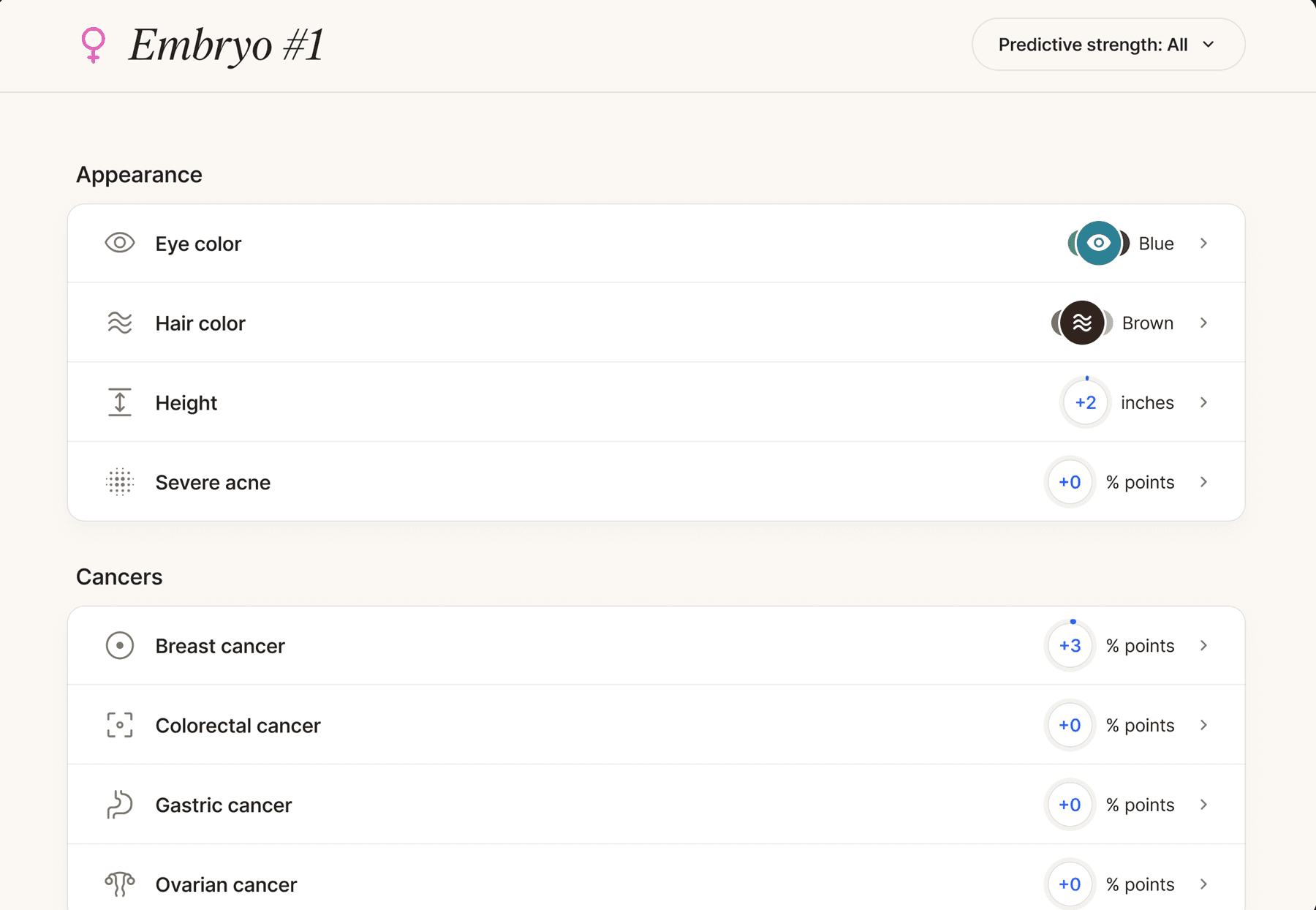
Check out how the platform streamlines your IVF experience in the table below:
Nucleus IVF+ feature | What’s included |
|---|---|
Clinic & donor matching |
|
Comprehensive IVF cycle |
|
Preimplanation genetic testing for embryos |
|
| |
Genetic counseling |
|
Book a consultation with the Nucleus to discuss how IVF+ can be tailored to your needs.
You may also like…
Featured image source: Marta Branco