Nevada Fertility Centers reviews emphasize compassionate staff, supportive environment, and attentive care. But when choosing a fertility clinic, positive comments alone might not fully answer the crucial question: Can the clinic accommodate your specific fertility needs?
This guide delves into testimonials to examine Nevada Fertility Center’s services, medical leadership, clinic success rates, pricing transparency, and operational model, providing a deeper understanding of what this IVF clinic in Nevada can realistically offer.
About Nevada Fertility Center
Previously known as the Sher Institute for Reproductive Medicine (SIRM), Nevada Fertility Center (NFC) is a Las Vegas-based fertility clinic founded in 2018 by Dr. Russel Foulk, a reproductive endocrinologist with 25+ years of experience and a global patient base.
As patient demand increased, in 2024, two reproductive endocrinologists joined the practice: Dr. Gary Levy and Dr. Khurram Rehman. Their addition expanded NFC’s appointment availability and enabled greater flexibility for new and returning parents.
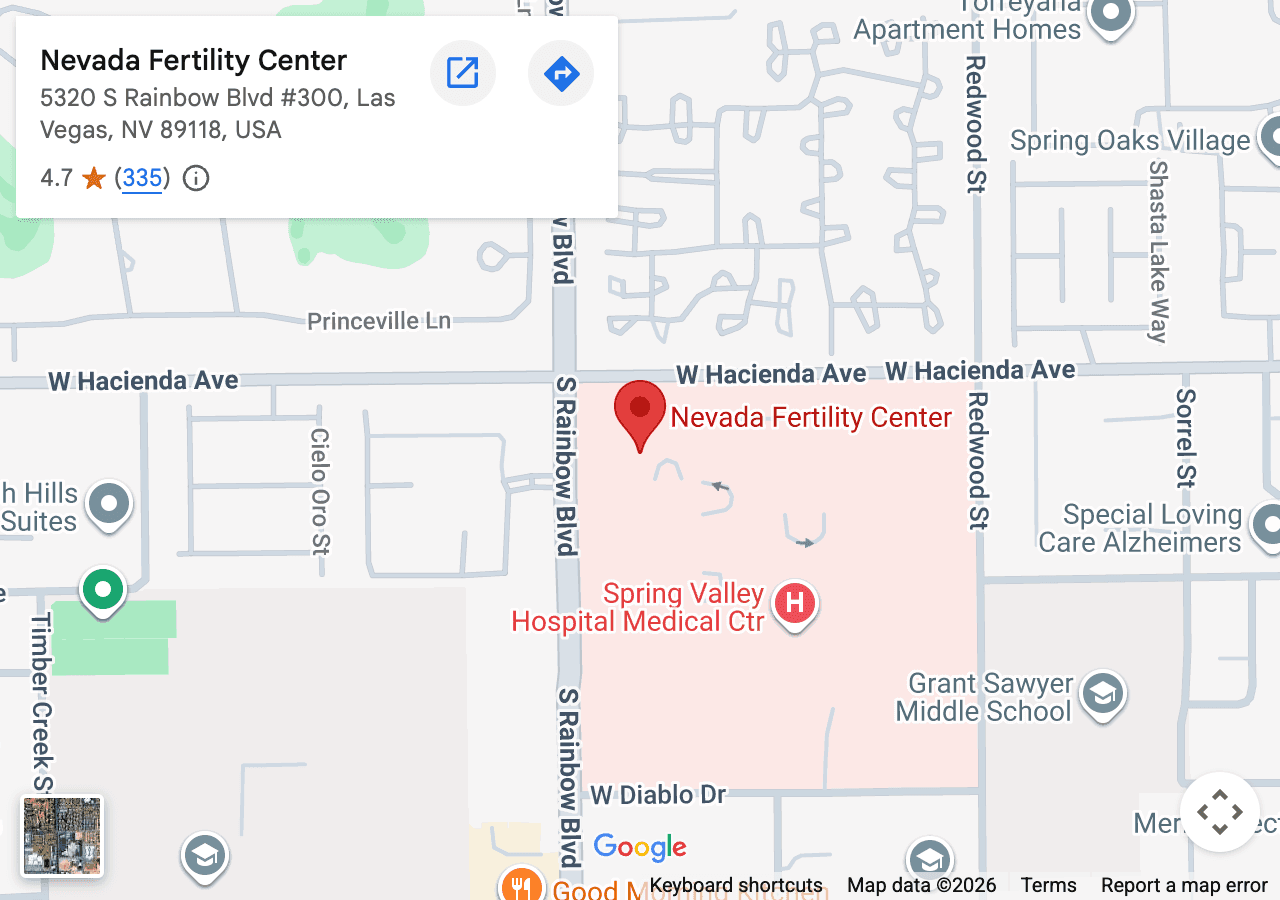
View on: Google Maps
Nevada Fertility Center is part of Ivy Fertility, one of the largest fertility clinic networks in the country. It brings together over 60 reproductive specialists at 26+ locations across the U.S., enabling access to shared resources and common operating standards:
Evidence-based treatment
Individualized planning
Strict safety standards
Attentive, compassionate, and respectful approach
The Ivy Fertility affiliation also helps Nevada Fertility Center explore emerging tools and treatment strategies, including initiatives like Ivy Demo Days, which connect startups, researchers, and clinicians to advance innovations in fertility care.
How Nevada Fertility Center performs
When evaluating Nevada Fertility Center, you need to determine whether it can support your medical and family-growing needs, what your chances of success may be, how communication and care coordination are handled, and how the costs align with your budget.
To help you, we’ll examine the clinic across five essential areas:
Range of services
Medical leadership
Reported success rates
Financial policies
Patient communication and care coordination
1. Range of services
Nevada Fertility Center provides various fertility services, covering evaluation, diagnosis, and treatment for single parents, straight couples, and LGBTQ+ families. The process begins with a consultation during which your physician reviews your medical history, family-growing goals, and, after diagnostic tests, tailors a treatment plan.
Here are the available services:
Type of service | Key options |
|---|---|
Core fertility services |
|
Recurrent pregnancy loss |
|
| |
Male fertility services |
|
LGBTQ+ family-building | Tailored solutions for lesbian couples, gay male couples, transgender, and non-binary parents |
Donor and surrogacy programs |
|
NFC generally handles common and more complex fertility challenges in-house, reducing the need for external referrals and providing less fragmented care and greater continuity.

Source: Helena Lopes
2. Medical leadership
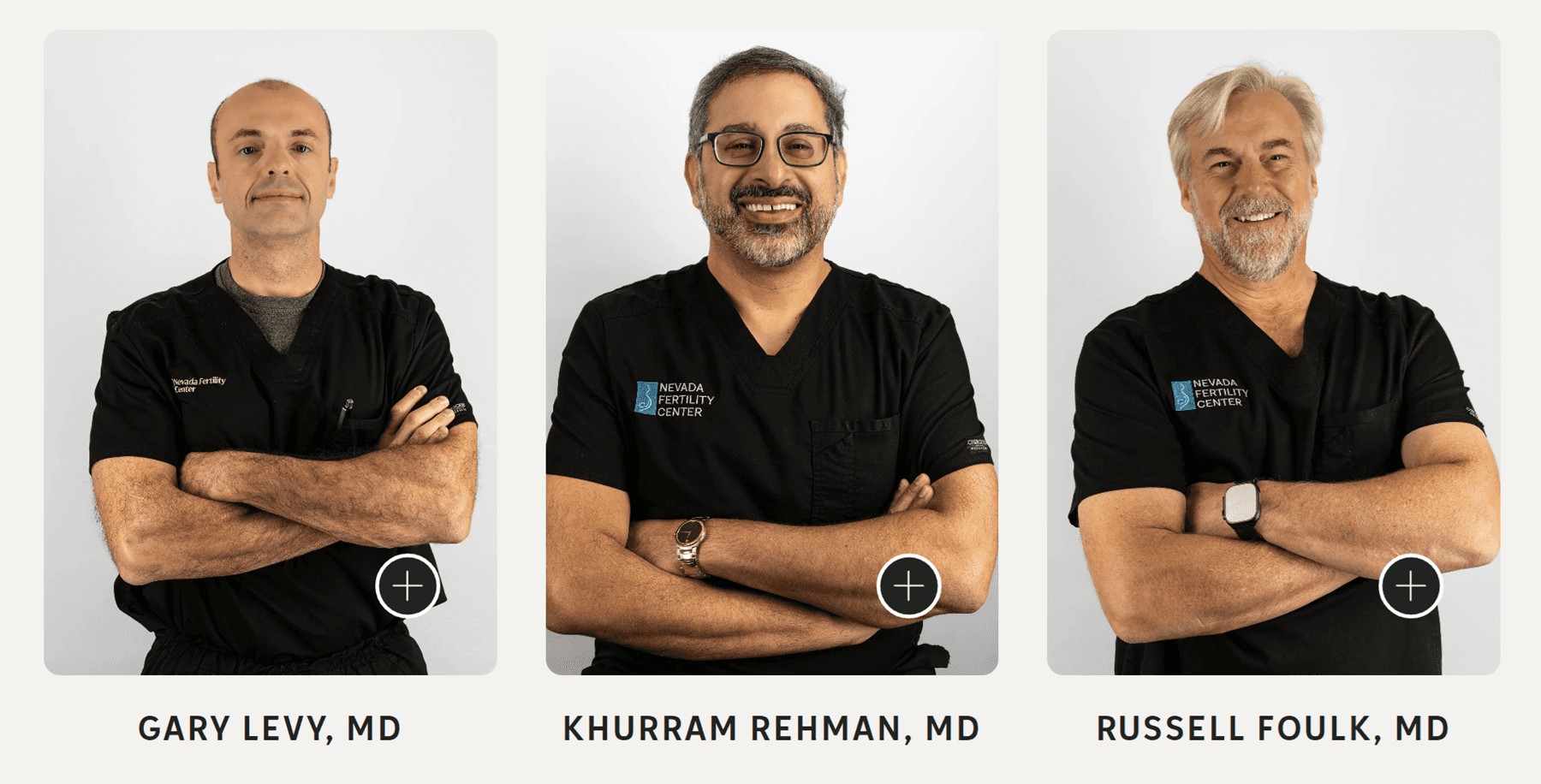
As of March 2025, Nevada Fertility Center is led by a team of three reproductive specialists:
Dr. Russell Foulk: Dr. Foulk is particularly experienced in third-party reproduction, handling chromosomal and hormonal issues, endometriosis treatment, and male infertility. His reputation suggests he’s more inclined to tailored protocols than to a formulaic approach.
Dr. Gary Levy: Dr. Levy has decades of experience in reproductive medicine and military medical training, and participates in ongoing research to improve reproductive medicine by implementing the latest advancements in fertility care. His area of expertise includes assisted reproduction, ovarian stimulation, endometriosis, and uterine fibroids.
Dr. Khurram Rehman: Dr. Rehman specializes in IVF, PGT, PCOS, fertility preservation, and collaborative reproduction, including donor eggs and surrogacy. He’s known for his empathetic communication and holistic approach.
Source: NFC
Together, this team covers a wide spectrum of fertility conditions and procedures, from routine hormone tests to advanced IVF protocols. Their backgrounds and academic achievements suggest that NFC is capable of delivering data-driven care, troubleshooting complications, and tailoring protocols for families with diverse needs.
3. Reported success rates
NFC reports that its embryology lab is CLIA-certified and accredited by The Joint Commission. It also serves as a clinical partner of Donor Egg Bank USA. However, NFC doesn’t disclose details about the specific technologies, culture systems, or incubation platforms used.
Although the exact numbers remain unclear, the clinic’s reported success rates suggest that its lab performs well:
Age group | Under 35 | 35 to 37 | 38 to 40 | 41 to 42 | Over 42 |
|---|---|---|---|---|---|
Live birth rate per frozen embryo transfer (with PGT-A) | 57.9% | 64.3% | 47.6% | 4/12 | 3/6 |
The clinic’s success rates with donor eggs are also high, with a 58.3% live birth rate with thawed embryos.
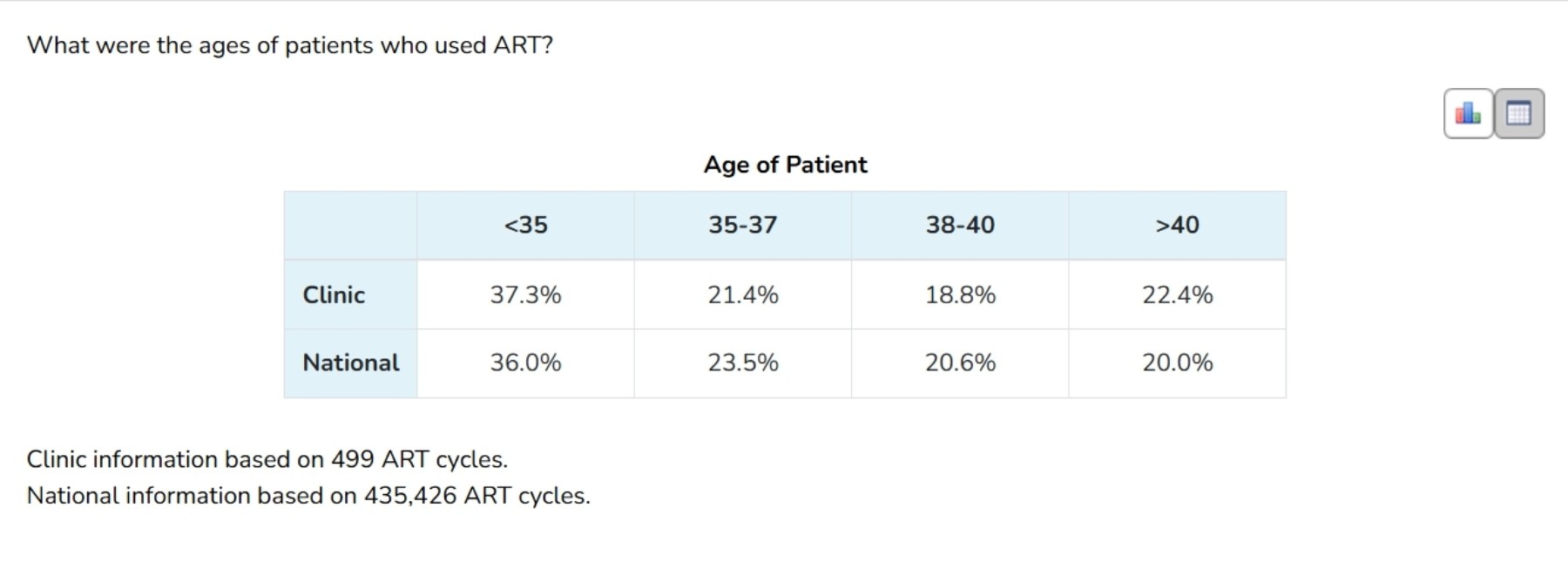
These results show that, for parents under 40, NFC’s outcomes are notably strong, especially in the 35–37 age group, exceeding the national average. Outcomes in the 41+ group appear promising but are based on a small sample.
Source: The CDC
Nevada Fertility Center CDC Data
To give you a clearer picture and the best way to gauge your likelihood of success, below are additional success metrics reported by the CDC. These reflect the likelihood of live birth after one or more intended retrievals for new patients, with no prior ART cycles:
Metric | Under 35 | 35 to 37 | 38 to 40 | Over 40 |
|---|---|---|---|---|
Live birth after one intended retrieval | 73.3% | 57.1% | 44.4% | 11.5 |
Live birth after one or two intended retrievals | 75% | 66.7% | 44.4% | 11.5% |
Live birth after all intended retrievals | 75% | 66.7% | 44.4% | 11.5% |
Average number of intended retrievals per new patient | 1 | 1.2 | 1.3 | 1.5 |
Average number of transfers per retrieval | 1.1 | 0.9 | 0.7 | 0.2 |
The CDC data reinforces the pattern seen in NFC’s own reporting:
Successful outcomes for patients under 35 and competitive results for those 35 to 37
Declining but still high success rates for patients 38 to 40, consistent with national trends
Significantly lower success rates for parents over 40, which is typical for this age group
4. Financial policies
Nevada Fertility Center emphasizes that the actual cost depends on the individual treatment plan and insurance coverage. Its listed pricing ranges are:
Services | Estimated cost |
|---|---|
Diagnostic tests | $150–$1,200+ |
IUI | $1,400–$2,200 (excluding medications) |
IVF | $12,600–$20,000+ (excluding medications and embryo biopsy) |
Embryo genetic testing | $2,000+ (lab fees not included) |
Donor egg IVF | $16,000–$22,000+ (donor fees and medications not included) |
Gestational carrier services | $6,500–$30,000+ (medications and agency fees excluded) |
For parents whose insurance policies include fertility benefits, NFC suggests checking the scope of coverage first as it varies widely. The clinic has financial counselors who can provide guidance and help with understanding insurance coverage, out-of-pocket expenses, and financing options.
Nevada Fertility Center works with major insurers and fertility benefits providers, including Progyny, Maven, United Healthcare, and Anthem. It also partners with CapexMD and WINFertility to offer financing solutions, loan programs, bundled treatment discounts, and optional 24/7 nurse support.

Source: Cedric Fauntleroy
NFC treatment cost: An example
A recent patient review adds useful real-life context to NFC pricing and highlights how costs can vary depending on your insurance and treatment plan.
In this case, the patient reported that insurance covered an estimated $100,000–$150,000 in fertility care across multiple retrievals and transfers, with a maximum out-of-pocket cost of $4,000 per year. Over three calendar years, their total out-of-pocket spending was about $12,000.
Even with such robust coverage, several expenses weren’t included:
Medications like Omnitrope used during multiple retrievals totalled $3,500–$4,000.
Two batches of frozen donor eggs cost approximately $9,000.
Additional uncovered services included an ERA test for under $1,000 and Neupogen injections for about $6,000 total.
Optional supportive care included acupuncture ($400) and counseling related to donor-egg treatment ($250).
Egg storage fees were relatively modest at around $60 per month.
5. Patient communication and care coordination
All the clinics in the Ivy Fertility network promise personalized care, continuity, and close physician involvement, and most Nevada Fertility Center reviews confirm this.
Once you decide to begin treatment, you register at a dedicated Nevada Fertility Center patient portal and mobile app (if preferred), where you:
Complete intake forms
Manage communication
Stay connected with your care team
For prospective parents traveling from outside the U.S., the clinic offers clear coordination. Initial consultation can take place in person or via video, followed by remote collaboration with a clinical coordinator experienced in long-distance care.
Reviews consistently highlight strong physician communication as a major strength. Multiple accounts report that doctors, especially Dr. Foulk, take significant time before and after procedures, explain decisions in depth, adjust protocols when necessary, and remain closely involved rather than delegating critical steps to staff.
Here’s what one patient shared (via Google Reviews):
“What an amazing experience! Nevada Fertility Center always went above and beyond to make sure that we were taken care of. We never felt like just another client or another number as in some of the other offices we went to both locally and out of state. The warmth and professionalism was amazing! I am now almost 11 weeks pregnant!”
This level of access and emotional presence is a massive differentiator, especially for parents with failed prior cycles.

Source: Pavel Danilyuk
In terms of care coordination, most parents report warm, responsive support and efficient use of the portal and on-call nursing team. Still, some parents describe challenges with coordinator continuity.
Reviews suggest that experiences can vary depending on staffing stability and complexity of care, so proactive communication and self-advocacy are crucial for parents undergoing intensive or prolonged treatment.
The verdict: Is NFC the fertility clinic in Nevada for you?
Here’s a quick overview of NFC’s most notable strengths and considerations:
Strengths | Considerations |
|---|---|
|
|
If you seek additional clarity regarding your and your future child’s genetics, get started with Nucleus. The platform helps you make informed choices at various stages of IVF by providing deep insights into your embryos’ genetic status, as well as personal genetic risks.
Understanding your genetic makeup helps you and your care team pick optimal IVF methods and select the best embryos for transfer.
Nucleus: Preconception and IVF care with genetic optimization
Nucleus offers advanced genetic analysis developed to support IVF and fertility care. By combining preconception screening, embryo analysis, and partnerships with fertility clinics, Nucleus aims to help future parents navigate complex decisions around embryo selection and reproductive planning, allowing them to have their best baby whether they’re conceiving naturally or through IVF.
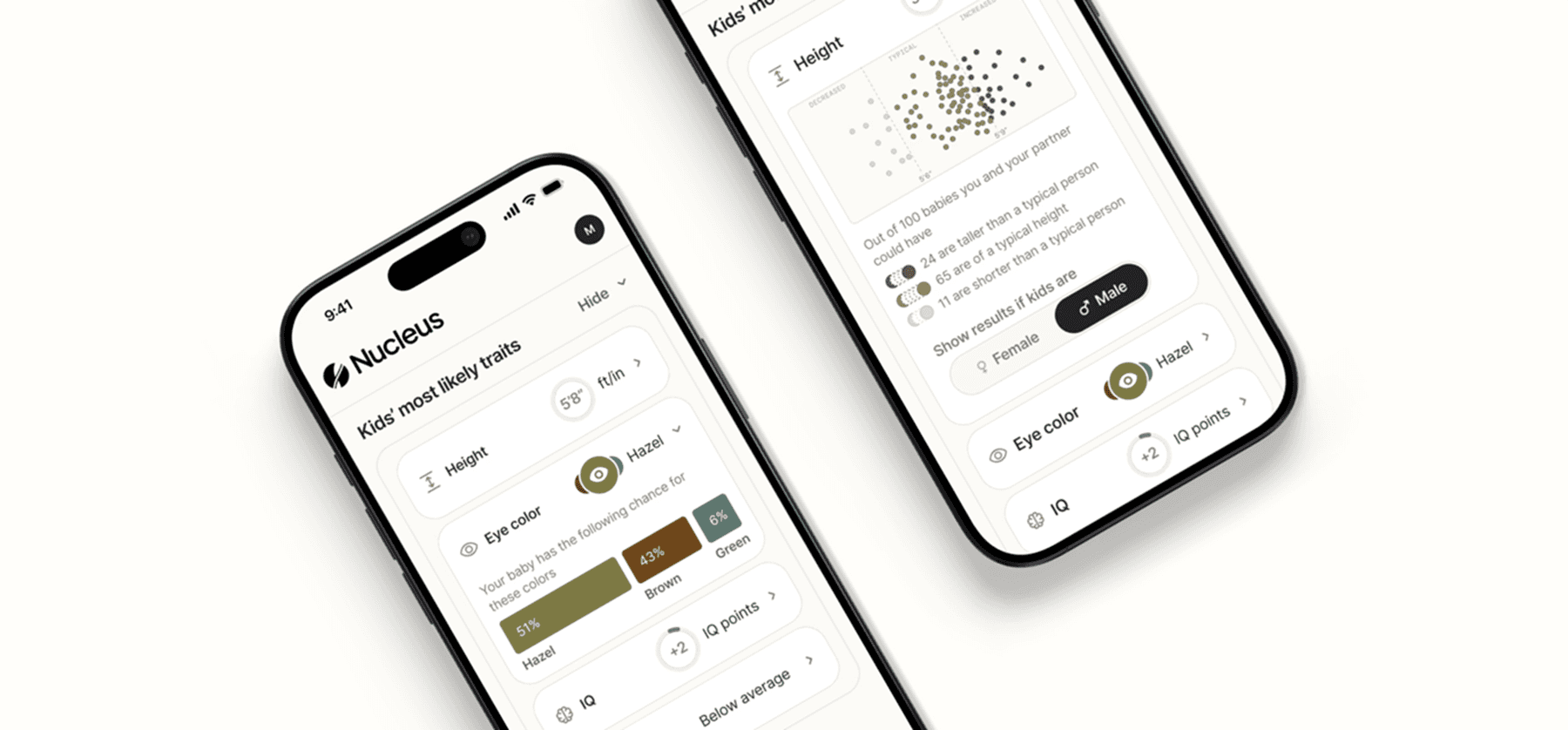
If you’re planning your family or considering IVF, here is what’s included in Nucleus Embryo:
1. Undergo preconception carrier screening with Nucleus Preview
For more than 50 years, carrier screening has focused mainly on rare single-gene disorders, which account for only about 3–5% of the total disease burden. Many common conditions, including heart disease, diabetes, and several cancers, are polygenic and influenced by multiple genes acting together. Although carrier screening is recommended for all prospective parents by the American College of Obstetricians and Gynecologists, only about 20-30% of couples currently undergo the test.
We developed Nucleus Preview to make proactive, expansive carrier screening more accessible to hopeful parents. For individuals or couples thinking about having a baby, Preview offers preconception genetic screening designed to identify potential hereditary risks and traits their future children could inherit.
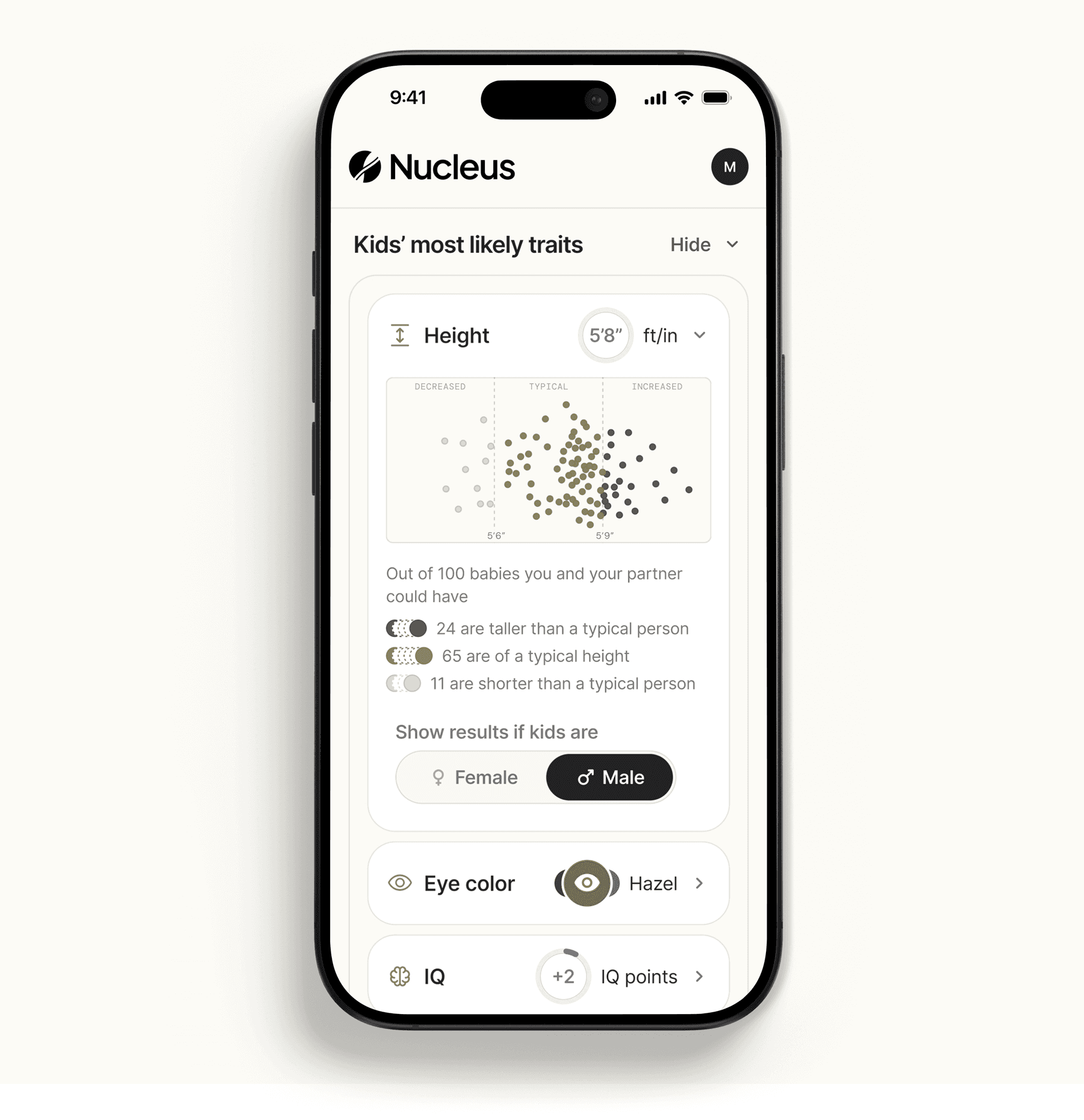
The test analyzes the DNA of both partners to identify carrier status for 2,000+ genetic conditions and traits, including diabetes, heart disease, height, eye color, and IQ. Nucleus Preview also offers sibling-level simulations that model how genetic risks could vary across 100 potential children based on the parents’ DNA.
This helps prospective parents understand inheritance patterns and better contextualize future embryo results. Additionally, you’ll have access to board-certified genetic counselors who can walk you through your results and help you make informed decisions about your family’s future. Fertility specialists can also use your reports to tailor IVF protocols and determine whether additional testing and monitoring is necessary for a healthy birth.
2. Discover deeper genetic insights with Nucleus Embryo
Once parents have created embryos and completed Preview, the next step is Nucleus Embryo — an advanced genetic analysis that’s presented in an intuitive format to help parents evaluate embryos for transfer.
Nucleus Embryo is a one-of-a-kind genetic optimization software that analyzes available embryo genetic data and generates reports that estimate potential health risks and inherited traits through advanced predictive models.
Within this step, Nucleus Embryo can provide:
Interactive breakdown of embryos predicted profile across genetic factors and traits
Side-by-side comparisons of up to 20 embryos, sorted by your personal preferences
Clear explanations of what your embryo insights mean
Confidence in embryo selection, supported by deeper insights, not guesswork
Book a consultation with a Nucleus Embryo onboarding specialist to see if it’s right for you.
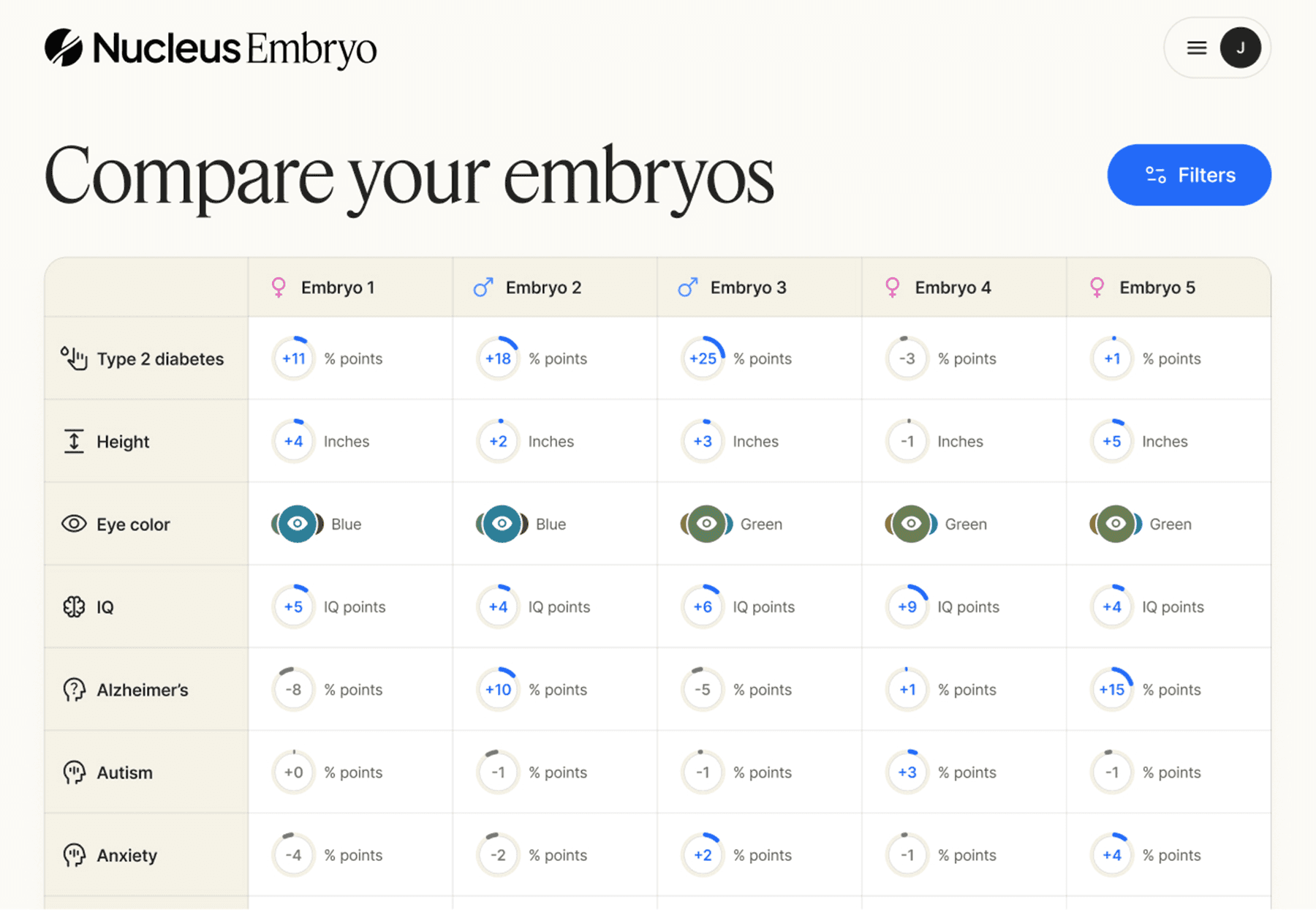
Here’s what kind of insights you can get with Nucleus Embryo:
Category | Examples |
|---|---|
Rare variant screening for 2,000+ hereditary diseases* |
|
Body and physical health |
|
Women’s health |
|
Metabolic conditions |
|
Heart health |
|
Neurological and mental health |
|
Other conditions |
|
*Some conditions are detected through parental screening and could require PGT-M before embryo transfer.
Nucleus is HIPAA compliant and conducts all testing in CLIA-certified, CAP-accredited labs.
You may also like…
Featured image source: Nevada Fertility Center listing on Google Maps