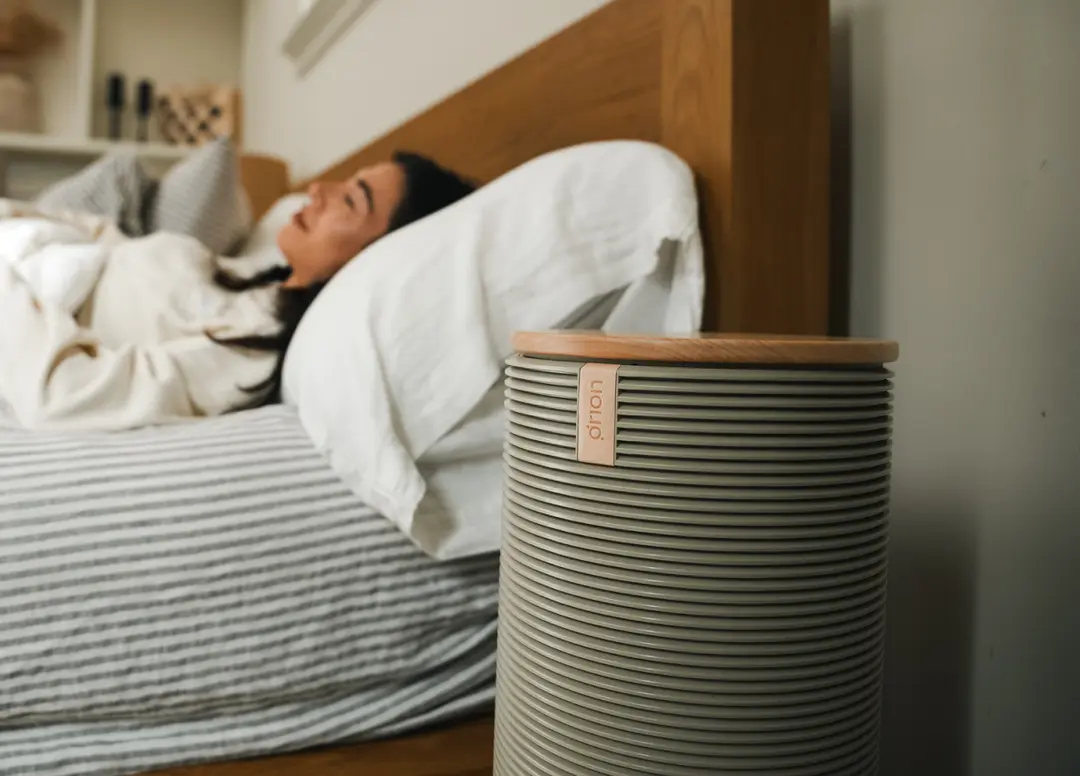

If poor sleep has become the norm for you, the impact on your health and quality of life can run much deeper than fatigue.
It’s a reality that young entrepreneur Harry Gestetner knows well. Focused on longevity, he believes that whatever you can do to optimize your health will have a positive effect on your lifespan, and for him, better sleep is where that starts. That belief led him to co-found Orion Sleep, a technology company on a mission to make restorative sleep accessible to everyone.
We’ve reviewed what Orion Sleep offers, how it performs, and what real users say about it. You’ll also learn about the role of genetics in how well you sleep, and why some people struggle more than others.
Orion Sleep: Company mission
Orion Sleep believes that the sleep industry has failed to evolve, still relying on 30-year-old foam technology.
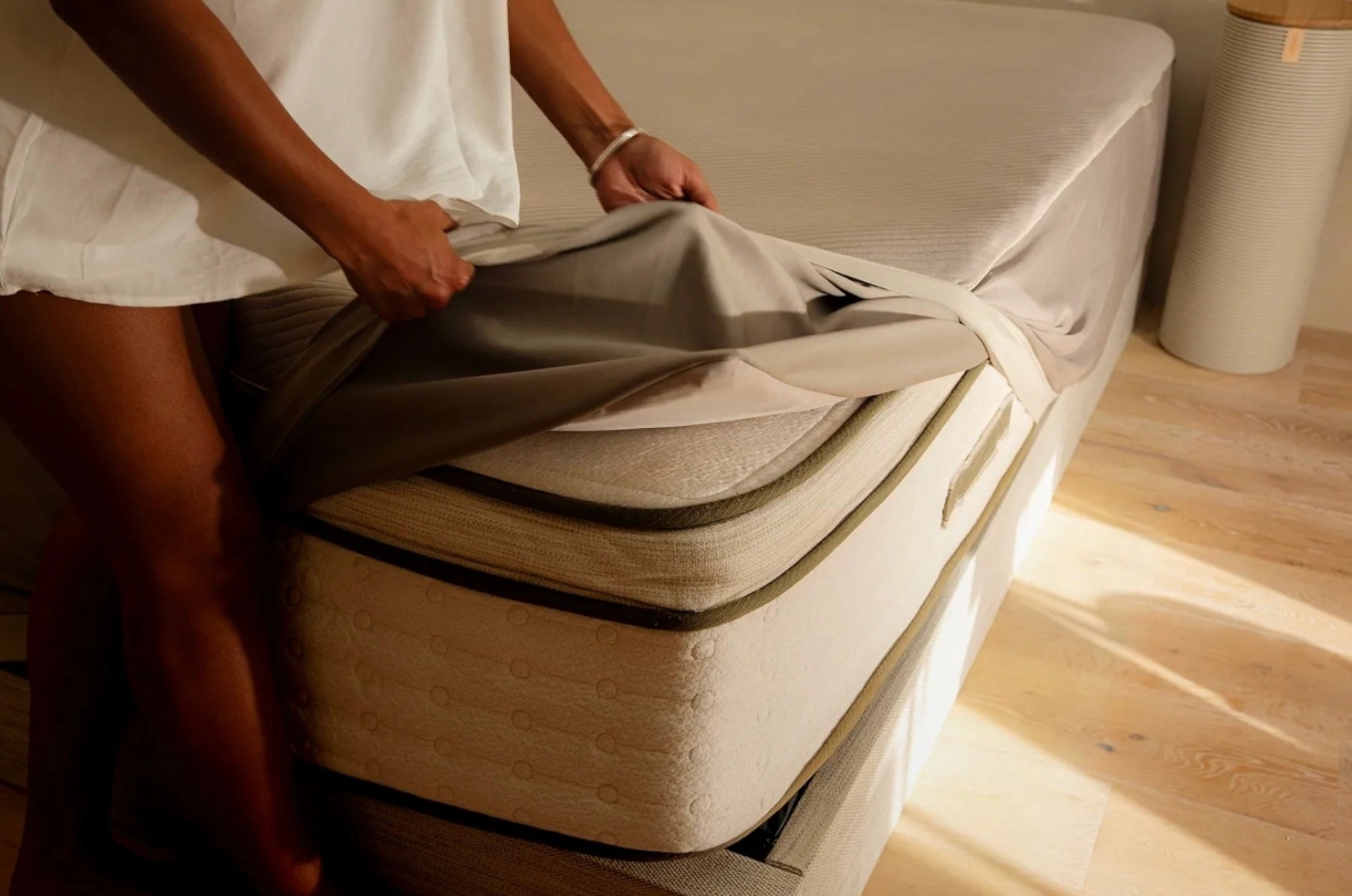
To solve this stagnation without forcing consumers to discard their existing beds or replace their mattresses, a team of sleep physicians and engineers built the hardware and software behind the Orion Sleep System, a sensor-activated mattress cover.
Source: Orion Sleep
The company has attracted significant investor attention, raising $17.5 million in seed funding.
Bonus read: Learn more about sleep hygiene from Bryan Johnson.
How to get started with the Orion Sleep mattress cover
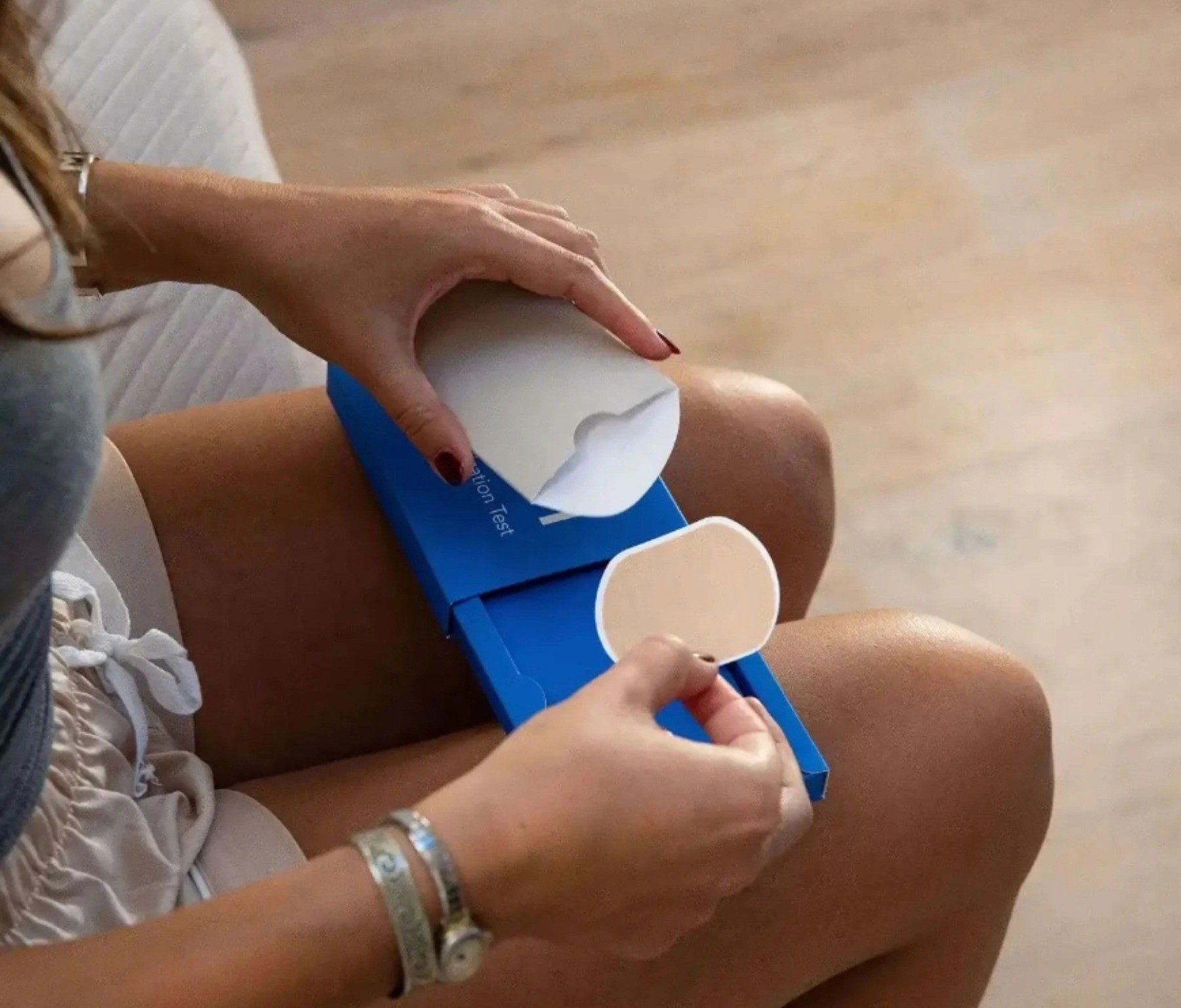
Orion Sleep offers a one-night, at-home sleep optimization test to personalize the system before long-term use.
Here’s how it works:
Wear the adhesive patch overnight.
Receive a sleep report with an analysis of your results.
The Orion Sleep System gets pre-programmed based on your data to reflect your ideal sleep temperature profile.
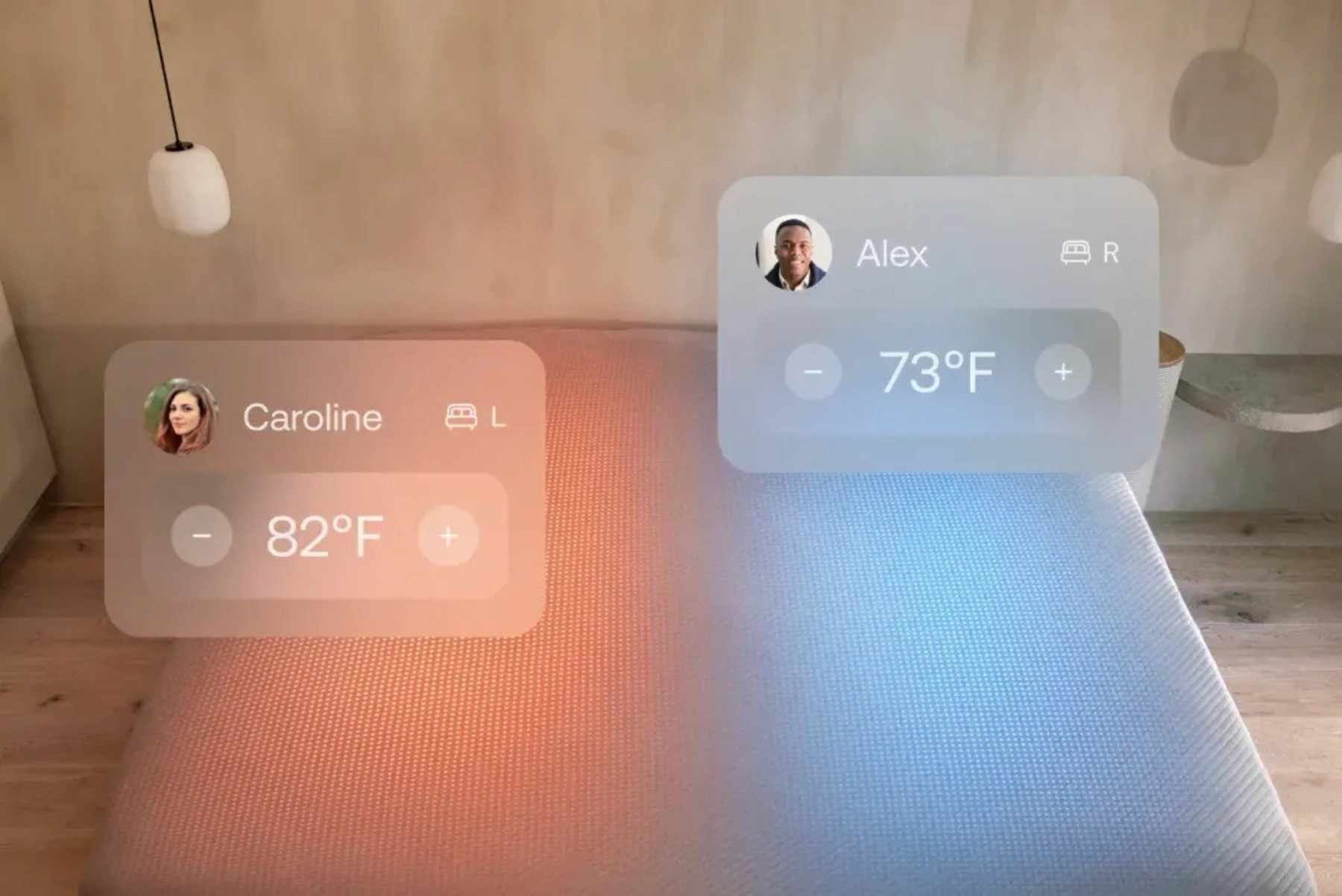
For couples, the system offers dual-zone temperature control, enabling separate sleep climates within the same mattress, with each sleeper getting personalized temperature adjustments on their side of the bed.
Source: Orion Sleep
Orion Sleep review: 5 key aspects to consider
To evaluate the practical performance of the Orion bed cover, we’ll look at five key areas:
System components and technology
Scientific background
Sleep tracking accuracy
Pricing structure
Reviews by real users
1. Orion Sleep System components and technology
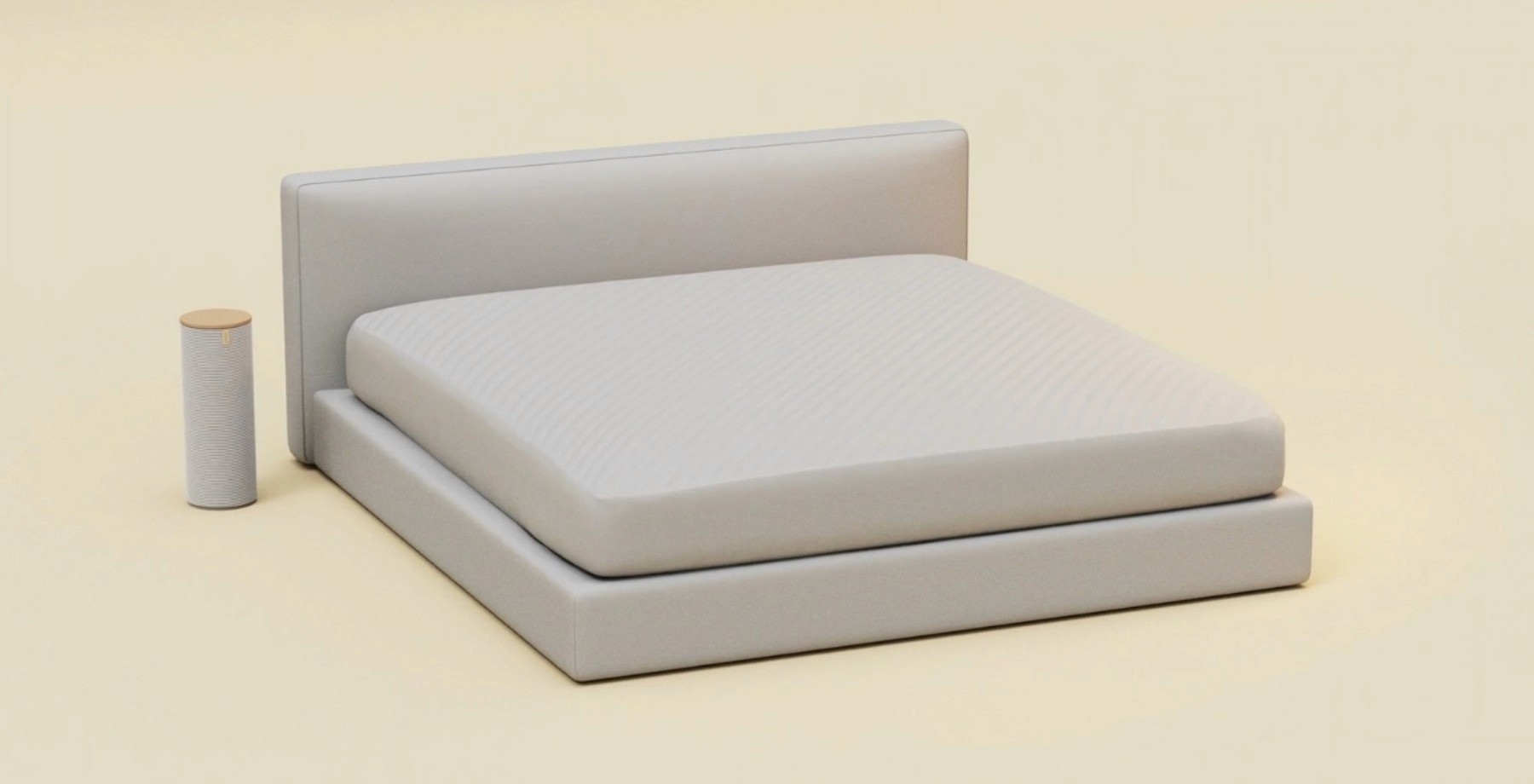
The Orion Sleep System uses hydro-powered temperature regulation to warm or cool your mattress surface throughout the night. The system consists of two components:
Mattress cover with sensors and water-based tubing
Base unit that adjusts temperature in real time
Source: Orion Sleep
The water tubes in the Orion bed cooling cover are made of ultra-strong, tear-resistant material to prevent leaks. The covers also have a hydro-protective layer under the tubing to protect your cover in the event of a leak.
During the night, the system monitors physiological data, including:
Body temperature
Breathing patterns
Heart rates
These signals are used to estimate changes across sleep stages and determine when your body may need cooling or warming. The connected base unit responds dynamically, adjusting the mattress surface to help maintain a stable thermal environment.
The system is supported by Orion Intelligence AI-driven software, which analyzes your sleep data over time. Rather than applying a fixed temperature schedule, it adapts based on your body’s response to temperature changes night after night. As more data is collected, the algorithm refines its adjustments to promote consistent rest.
You can view sleep trends and insights generated from the collected data through the Orion Sleep companion app.
2. Scientific background
Unlike companies that focus on mattress materials or firmness, the Orion Sleep System concentrates specifically on thermal regulation.
The company’s chief sleep officer, Michael Breus, PhD, explains that sleep closely follows the body’s core temperature cycle. As core body temperature drops, the brain receives a signal to release melatonin, the hormone that regulates circadian timing. When the temperature rises, the body shifts towards wakefulness.
The typical pattern involves a gradual evening temperature peak, followed by a decline that helps initiate sleep. Various disruptions can interfere with this temperature drop, including:
Late-night exercise
Alcohol consumption
Stress-induced cortisol spikes
Hormonal changes, including menopause
The physiological link between thermoregulation and sleep is supported by peer-reviewed research. A recent study examining real-time temperature adjustment (RTA) mattresses found that dynamically modulating mattress temperature in response to sleep stage transitions improved several sleep metrics measured by polysomnography (PSG), the clinical gold standard for sleep assessment.
Compared to constant temperature control, adaptive temperature regulation:
Increased total sleep time
Improved sleep efficiency
Reduced REM latency
Boosted REM sleep percentage
Positively influenced deep sleep percentages (with sex-specific differences)
3. Sleep tracking accuracy
In clinical settings, sleep stages are measured using PSG, which includes:
EEG brainwave monitoring
Eye movements
Muscle tone
Respiratory data
Because the Orion Sleep System adjusts temperature based on biometric signals (body temperature and heart rate), its effectiveness depends partly on how accurately those signals reflect actual sleep stages.
Source: Orion Sleep
A validation study comparing consumer sleep trackers (CSTs) to PSG shows that many CSTs agree with PSG. However, independent validation is essential because one of the evaluated tools had algorithm development ties to affiliated researchers.
If Orion’s temperature adjustments are triggered by inferred sleep-stage transitions rather than direct EEG measurement, the system likely relies on probabilistic models. Many physiological signals correlate strongly with sleep depth, but you shouldn’t interpret app-based sleep reports as diagnostics.
4. Orion Sleep pricing structure
Orion Sleep is HSA/FSA eligible, offers a two-year warranty, and has a 30-day return policy. The company often runs promotions, discounts, and seasonal sales, but if you don’t want to wait for the next major holiday, here’s what you can expect to pay:
Item | Price | What’s included |
|---|---|---|
Sleep optimization test | $49.99 |
|
Orion Sleep System | Queen: $2,086 King: $2,246 California King: $2,326 |
|
Orion subscription fee | First annual renewal: $200 Subsequent renewals: $250 a year |
|
Orion Sleep System continues to function without an active subscription, but you will only have access to its core functionalities:
Basic temperature sleep schedule
Sleep scores
Bedtime auto turn-on and turn-off
Temperature alarm
Inviting guests
Human customer support
5. Orion Sleep reviews by real users
Almost all Orion Sleep users praise the company’s exceptional customer service. Some clients highlight the hands-on support from the founder himself, highlighting personal calls, text check-ins, and even same-day replacements for hardware issues.
The Orion bed cover is often praised for comfort. One user reports that the soft version maintains the feel of the underlying mattress while offering quick cooling and warming. They also mention an overall quiet experience, though they note occasional water-droplet sounds.
Software and the app receive mixed reviews. Sleep tracking is sometimes reported inconsistent, the app’s fixed schedules and visualization tools could be improved, and some early users say that the software has room for refinement.
Judging from the founder’s online presence, the company is genuinely interested in user feedback and eager to fix issues quickly. It’s likely that the system, particularly the software, will continue to improve.
Customers generally appreciate the two-year warranty and the price point, which is significantly more competitive than Orion’s main competitor, Eight Sleep.
Bonus read: Explore some popular Orion Sleep alternatives and see how they compare:
The verdict: Is Orion Sleep worth it?
Here’s a quick overview of Orion Sleep’s greatest strengths and main limitations:
Pros | Cons |
|---|---|
|
|
The Orion bed cover is a solid option for anyone who wants a science-backed upgrade to their sleep environment. But before you invest in any sleep technology, it’s important to understand that even the most advanced temperature-regulated mattress systems can’t solve every sleep issue.
Sleep quality can also be affected by:
Stress levels
Caffeine intake
Alcohol use
Late-night screen exposure
Room light
Noise
Inconsistent schedules

Source: Cottonbro studio
You might also suffer from sleep disturbances due to underlying medical conditions or hormonal fluctuations, which require a different approach. Most importantly, sleep traits, such as susceptibility to insomnia or sleep duration, can be genetically influenced.
Sleep and genetics
Research shows that sleep is genetically regulated. Heritability studies demonstrate that sleep duration, chronotype (lark, a morning person, vs. owl, the evening type), and susceptibility to certain sleep disorders are partially inherited.
Genome-wide association studies have identified multiple genetic loci associated with conditions like narcolepsy and restless legs syndrome. One study also established that genetically predicted short sleep duration may negatively affect lifespan.
Since sleep traits and neurological health risks are partly inherited, a personalized approach to resolving sleep issues should begin with understanding your DNA with the Nucleus Health screening.
Nucleus Health: Whole-genome insights for better sleep and a healthier life
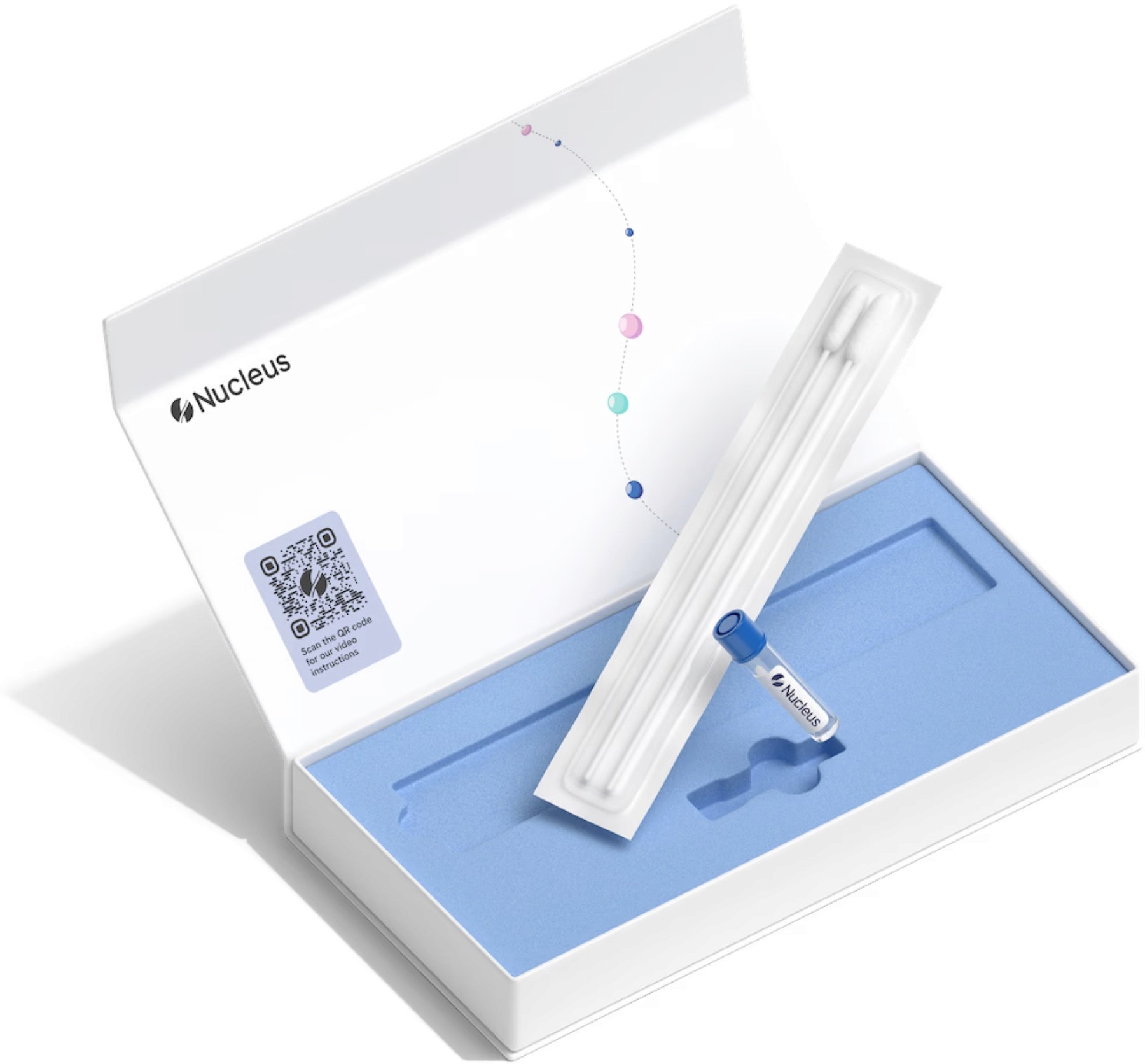
Nucleus offers a clinical-grade, at-home whole-genome sequencing test that analyzes 100% of your DNA, including rare genetic variants that smaller genotyping panels often miss.
With cheek swab samples, Nucleus can assess your risk for sleep disturbances like insomnia and restless leg syndrome.
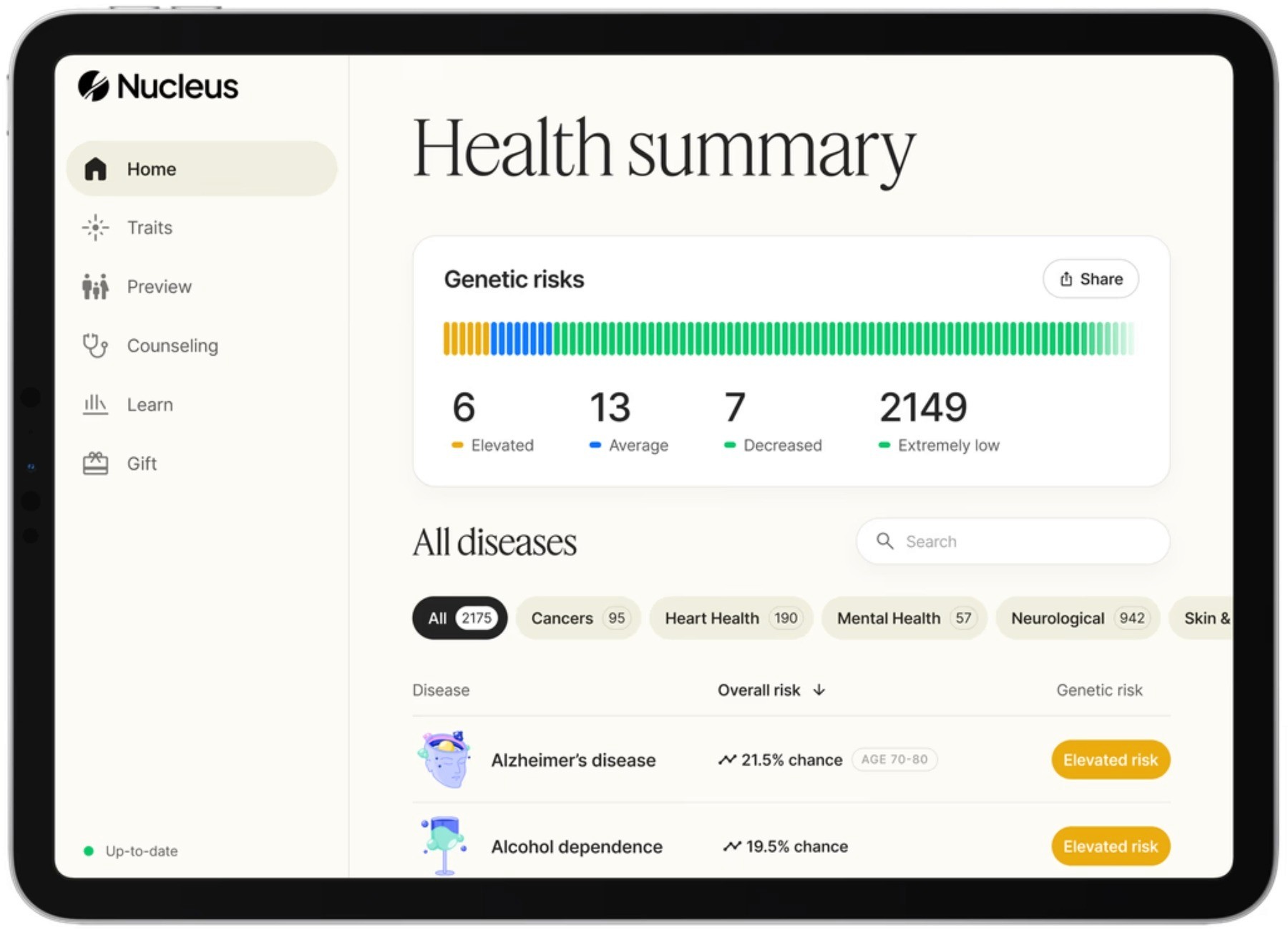
Nucleus Health also provides insight into your predisposition to many chronic and polygenic conditions, such as asthma, arthritis, and certain cancers.
Nucleus insights are unique because we also consider lifestyle factors to generate your genetic scores for various conditions. So, you’ll be better equipped to decode if your sleep struggles are behavioral, environmental, or biological. Your reports are in plain language and easy to interpret, with personalized suggestions you can implement right away.
How to get started with Nucleus
Here’s how to get your Nucleus DNA kit:
Provide your account information
Order your kit
You’ll receive the kit with instructions and a prepaid return envelope. Once your sample reaches the lab, you’ll get your results in 4–6 weeks.
Genetic counseling is also available through our partners at SteadyMD to help you understand results and next steps.
You may also like…
Featured image source: Orion Sleep