

New York City has some of the best fertility clinics in the country, with specialized programs for the LGBTQ+ community, whether you’re a gay or lesbian couple, a trans or non-binary person, or an individual pursuing single parenthood.
This guide explains what makes LGBTQ+ fertility care in New York unique, highlights inclusive fertility clinics across the city, and helps you identify which type of provider best fits your needs.
Fertility options available to LGBTQ+ parents in NY
Growing a family as an LGBTQ+ person or couple includes choices that often don’t apply to heterosexual couples. Common medical paths to parenthood include:
Reciprocal IVF: This is a procedure for lesbian couples where one partner provides eggs while the other carries the pregnancy, so both have a biological connection to the child.
Donor eggs, sperm, or embryos: Single people and some same-sex couples need donor gametes. Many NYC clinics have in-house or partner donor banks and third-party reproduction services.
Gestational surrogacy: Gestational surrogates don’t provide their own eggs for fertilization, so they have no biological connection to the child. This option is commonly used by gay male couples, single fathers, or others who can’t carry a pregnancy.

Source: Mikhail Nilov
Legal and parentage context for the New York City LGBT fertility landscape
New York is one of the most progressive states in the U.S. when it comes to protecting the rights of intended parents, surrogates, and donors.
The Child-Parent Security Act (CPSA), which took effect on February 15, 2021, legalizes gestational surrogacy and creates one of the most comprehensive frameworks for assisted reproduction in the country.
CPSA requires that everyone involved in the surrogacy process, the intended parents, the surrogate, and the child, is protected and fully informed. Here’s what it means in practice:
The law establishes detailed criteria for gestational surrogacy agreements, including mandatory independent legal representation for both the surrogate and intended parents, paid by the intended parents.
The Surrogate’s Bill of Rights guarantees the surrogate’s autonomy, including the right to make their own decisions, such as:
Continue or terminate pregnancy
Choose healthcare providers
Have comprehensive health, disability, and life insurance throughout the process (paid by the intended parents)
Walk away from the agreement before pregnancy without any repercussions
Establishing parentage is streamlined even if one parent isn’t biologically related to the child. Intended parents can obtain an Order of Parentage before or after birth, ensuring that their names appear on the child’s birth certificate. The egg or sperm donor are not legal parents when there is documentation supporting donation.
The Acknowledgement of Parentage (AoP) allows unmarried parents, including non-birth, non-genetic, or same-sex partners, to establish legal parentage at the time of birth without lengthy court proceedings.
New York requires licensing of Gestational Surrogacy Organizations and registration of Assisted Reproductive Technology Service Providers (ARTSPs) to ensure ethical practices, informed consent, and safety in surrogacy and egg donation.
Intended parents can live anywhere, but at least one must be a U.S. citizen or a New York resident for six months for the CPSA protections to apply.
Donor anonymity laws in New York
Most egg and sperm donation programs in New York operate under confidential or anonymous arrangements, meaning the donor’s personal identity is kept private. In these programs, the recipient receives important medical and background information about the donor, such as health history, education, or physical traits, but neither party learns the other’s name or has direct contact.
However, some programs now recognize that anonymity is not always ideal (or possible in the age of DNA testing) for donors, recipients, or donor-conceived children. More open or flexible donation options are emerging. In these programs, donors may:
Agree to be identified later, giving permission to be contacted once a donor-conceived child turns 18
Meet the intended parents before treatment
Maintain some form of ongoing relationship, such as exchanging photos, updates, or messages through the clinic or agency
Donate to someone you already know
Legally, New York doesn’t require all donors to be identifiable, though pending legislation may move the state toward greater transparency. Current regulations ensure that tissue banks maintain detailed records but can’t release identifying information without consent.

Source: Karola G.
Insurance coverage for LGBTQ+ fertility treatment in New York
Treatments that involve donor gametes, surrogacy, or reciprocal IVF often involve additional services, which can significantly increase the cost of IVF for LGBTQ+ parents.
In New York, some large-group employer health plans (employers with 100+ employees) are subject to mandates that require coverage of fertility treatment, including:
Up to three IVF cycles
Medically necessary fertility preservation, such as before cancer treatment
Medications
Coverage mustn’t discriminate based on age, sex, sexual orientation, gender identity, or marital status. For example, you can’t be asked to prove infertility if you’re a same-sex couple or a trans person who needs donor insemination to conceive. Insurers in New York can’t require you to pay out-of-pocket for IUI procedures to meet an infertility definition.
Fertility preservation is also covered if you’re undergoing gender-affirming medical treatment, such as hormone therapy or surgery that could affect your fertility.
However, coverage is not guaranteed for all plans. A plan may include IVF but not cover all associated costs. For example, you might still have out-of-pocket expenses, such as:
Deductibles
Co-pays
Coinsurance
Out-of-network fees
Medication surcharges
Donor fees
Cryostorage fees
Additionally, surrogacy-related care is not covered for the surrogate. Insurance only covers medical services for the people listed on the policy, meaning your plan won’t pay for the surrogate’s IVF procedures, prenatal visits, or delivery costs.

Source: PNW production
🌈Pro tip!
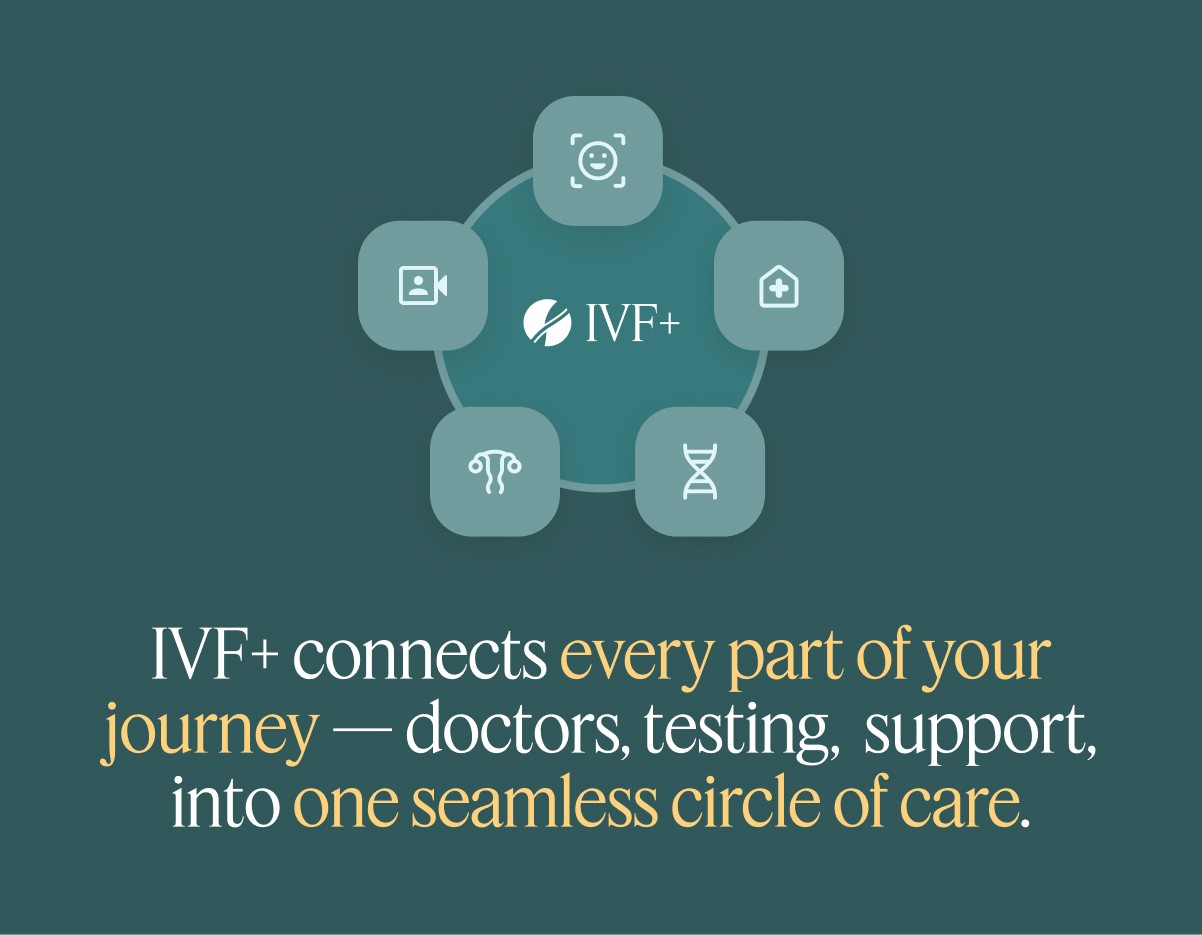
If you’re overwhelmed at the thought of navigating clinics, legal and insurance considerations, and donor or surrogacy logistics, join Nucleus IVF+ for an all-inclusive program.
With Nucleus, you receive data-driven clinic and donor matching, personalized cycle planning and coordination, and expert support tailored to LGBTQ+ family planning.
Book a consultation call to start your fertility program in New York City.
Overview of top New York City LGBTQ+ fertility clinics
New York has many clinics recognized by LGBTQ+ parents for competent care and inclusivity. We’ll explore the four best centers with distinctive strengths and success rates:
Neway Fertility
Kofinas Fertility Group
Genesis Fertility and Reproductive Medicine
RMA of New York
1. Neway Fertility
Neway Fertility is a boutique clinic in Manhattan known for its personalized and inclusive approach to care. With staff that includes members of the LGBTQ+ community who have personally undergone fertility treatment, Neway understands the emotional, legal, and logistical challenges that can accompany modern family-building.
The clinic offers a full range of reproductive services, including:
IVF, IVM, and IUI
Egg and embryo freezing
Sperm banking
Fertility preservation for gender-affirming care
Neway’s specialized programs for single parents, same-sex male and female couples, and trans individuals integrate donor coordination, surrogacy support, and counseling.
You also gain access to a trusted network of sperm banks, egg donor agencies, and surrogacy partners, as well as mental health professionals who provide ongoing support.

Source: Mikhail Nilov
The clinic’s pricing transparency and accessibility are commendable. It partners with major insurers, including Cigna, Aetna, Progyny, Kindbody, and Carrot, as well as several financing companies and grant providers. It also offers bundled packages, including a three-cycle IVF plan for $23,400 (As of Jan 19, 2026).
Neway’s success rates per single embryo transfer are high, which further inspires confidence:
Age group | Under 35 | 35 to 37 | 38 to 40 | 41 to 42 | Over 42 |
|---|---|---|---|---|---|
Live birth rates (Frozen embryo transfer, w/ PGT-A) | 75.0% | 63.6% | 10/17 | 8/13 | 4/8 |
2. Kofinas Fertility Group
With a FertilityIQ score of 9.4 and 90% of reviewers strongly recommending the clinic, Kofinas Fertility Group is known for its attentive clinicians, strong communication, and inclusive protocols.
The clinic takes a medical-first approach, beginning with a comprehensive fertility evaluation to determine which partner (if applicable) may have the best reproductive potential and building a plan around their needs.
Kofinas supports a wide range of family-growing paths, including:
Reciprocal IVF
Donor insemination
Surrogacy coordination
Fertility preservation for transgender patients
The clinic assists with donor and surrogate selection, ensuring that the legal and medical steps are well-coordinated and executed. Trans patients receive counseling on fertility preservation and hormone transition planning to safely restore fertility before treatment begins.

Source: Kofinas Fertility Group
Kofinas has promising overall IVF outcomes per transfer:
Age group | Under 35 | 35 to 37 | 38 to 40 | Over 40 |
|---|---|---|---|---|
Transfers resulting in live-birth deliveries | 68.8% | 59.4% | 54.9% | 45.5% |
3. Genesis Fertility and Reproductive Medicine
Genesis offers IVF, egg freezing, donor programs, genetic testing, and full laboratory services. The team supports individuals and couples of all backgrounds and family structures, with guidance available in multiple languages.
The clinic’s in-house donor egg and sperm programs provide well-screened matches. There’s psychological counseling available for those navigating donor conception and surrogacy.
Genesis also has significant experience in gestational surrogacy, supporting same-sex male couples, single intended parents, and women for whom pregnancy would be medically unsafe. Its philosophy centers on autonomy, compassion, and ethical practice, recognizing surrogacy as both a medical treatment and an act of generosity.
Genesis partners with leading fertility benefit providers, including:
It offers financial assistance through several programs, including military and compassionate care discounts.
The clinic also has solid results in conventional IVF and donor-assisted cycles:
Type of transfer | Fresh donor eggs | Frozen donor eggs | Thawed embryos | Donated embryos |
|---|---|---|---|---|
Live births | 2/10 | 7/12 | 44% | 3/11 |
4. RMA of New York
RMA of New York is one of the largest and most well-established LGBTQ+ fertility centers in Brooklyn and the city. The clinic’s team welcomes parents of all identities and family structures, offering both high and low-complexity treatments tailored to each parent’s needs.
RMA has been recognized as an “LGBTQ+ Healthcare Equality Leader” by Human Rights Campaign’s Healthcare Equality Index and maintains a long-standing partnership with Mount Sinai’s Center for Transgender Medicine and Surgery, supporting gender-affirming fertility care.

Source: RDNE stock project
RMA’s LGBTQIA+ fertility program covers:
Reciprocal IVF and IUI for lesbian couples and single mothers
Egg donation, gestational surrogacy, and IVF for gay male couples and single fathers
Fertility preservation and treatment for transgender and nonbinary parents
The clinic also offers access to legal, counseling, and third-party reproduction networks.
RMA has industry-leading outcomes using donor eggs:
Type of transfer | Fresh donor eggs | Frozen donor eggs | Thawed embryos | Donated embryos |
|---|---|---|---|---|
Live births | 2/2 | 7/18 | 52.7% | 0/0 |
Find your ideal clinic and care options with Nucleus IVF+
Nucleus IVF+ is a comprehensive fertility platform that streamlines advanced genetic analyses, tailored care, and clinical insights so you can have your healthiest baby. We help you make informed, science-backed choices, as well as coordinate scattered logistics throughout your IVF journey.
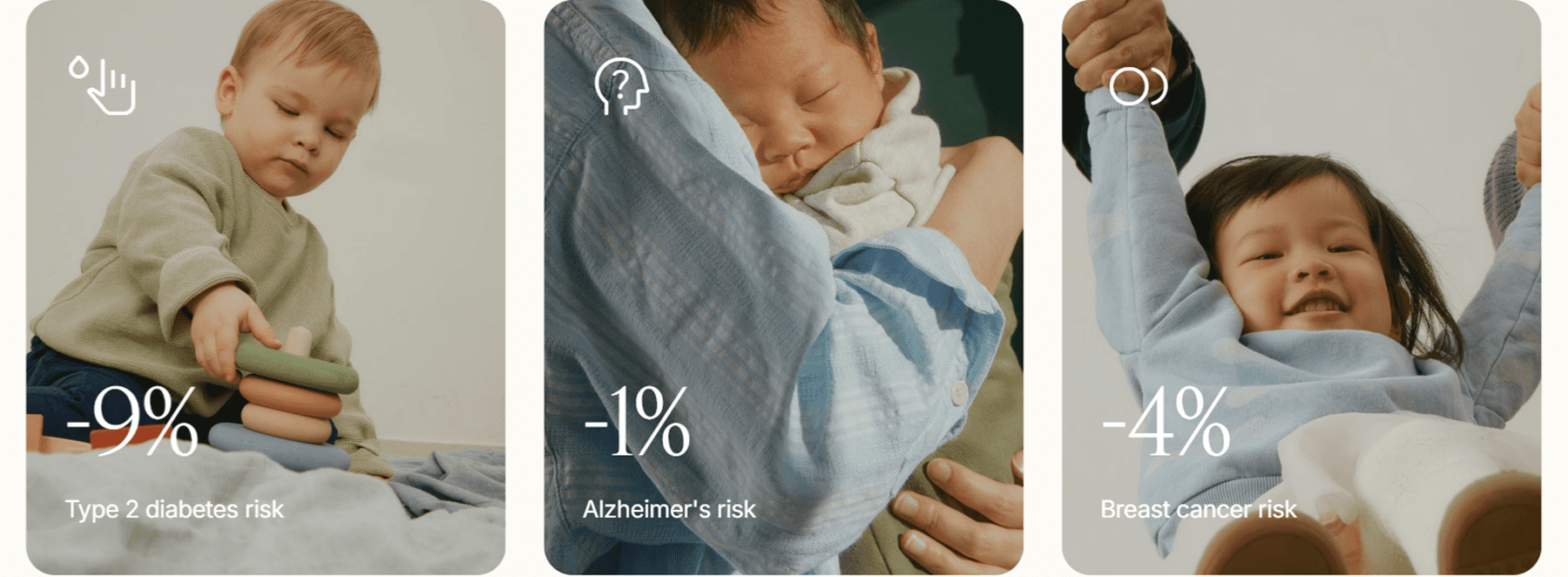
With Nucleus IVF+, you can:
Access a network of vetted fertility centers in New York tailored to LGBTQ+ family building
Tap into large donor networks and get genetic compatibility tests done
Work with fertility experts who guide you through medications, timelines, and treatment plans that boost your success rates
Use Nucleus Preview for detailed carrier screening to uncover hereditary disease risks
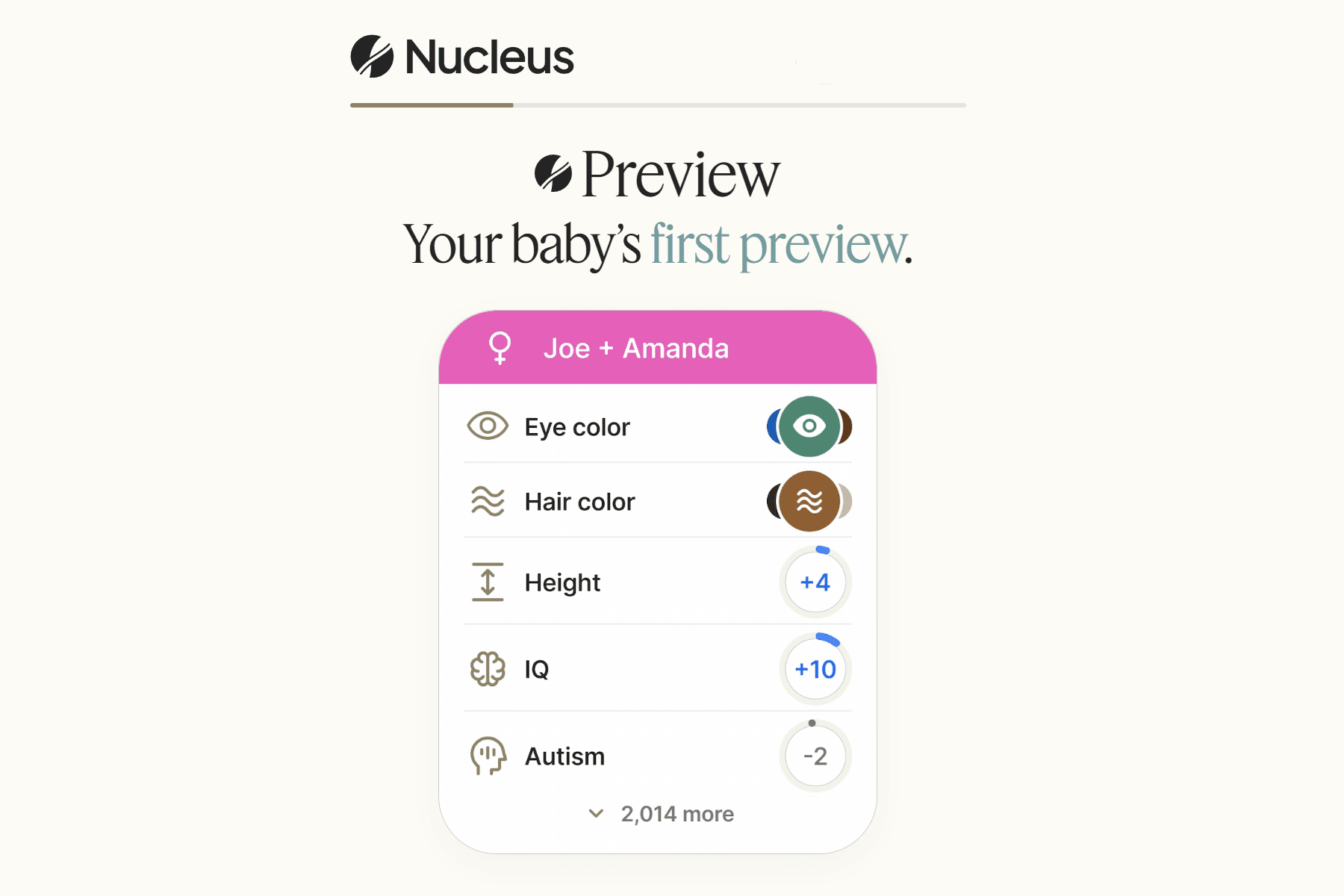
Access advanced PGT options to check embryo health
Use AI-powered Nucleus Embryo analysis for embryo selection based on long-term health outcomes
Get support to facilitate appointment scheduling and clarify costs throughout your treatment
Access 24/7 genetic counseling
Book a call to explore compatible care options with Nucleus.
Featured image source: Katrin Bolovtsova