Mexico offers a dynamic fertility care landscape supported by evolving clinical expertise and access to advanced IVF treatment options. Mexico City is particularly known as a bustling fertility hub, attracting large numbers of local and international patients each year.
Choosing a fertility clinic in the city can be challenging because you have to navigate competitive treatment options, rates, and logistical complexities. We’ll give you an overview of the leading Mexico City fertility clinics, highlighting treatment options and patient experiences to support your next steps.
How to choose a fertility clinic in Mexico City
In large healthcare markets like Mexico City, comparing fertility centers is not always straightforward. Essential considerations include:
Clinic location: Location can influence both convenience and overall expenses for care. Some clinics offer virtual consultations or multiple locations for monitoring, which can reduce potential commute barriers. Cross-border patients also consider accommodation location and costs for longer stays. Many Mexican fertility clinics provide specialized support for international patients, including assistance with travel and accommodation logistics, language and legal support, and itinerary planning.
Certifications and accreditations: Mexican fertility clinics must hold COFEPRIS certification to operate legally, demonstrating compliance with sanitary and safety standards. Some clinics also hold international accreditations, such as Joint Commission International (JCI), indicating adherence to globally recognized quality standards.
Cost transparency: A clear cost breakdown is necessary for reliable financial planning, particularly when insurance coverage is unclear or when you’re seeking medical treatment abroad.
Success rates: Because there is no regulatory body reporting uniform success rates for Mexican fertility clinics, you have to do your own research and interpret clinic-reported success rates and patient reviews.
Legal protocols and regulatory framework: Mexico doesn’t have comprehensive federal regulations for fertility care, which can create ambiguity for complex treatments such as surrogacy. Your clinic should clearly outline legal protocols and assist with administrative requirements to reduce potential friction.

Source: Pavel Danilyuk
5 best fertility clinics in Mexico City reviewed
As one of the country’s largest fertility hubs, Mexico City offers options ranging from smaller, physician-led practices to large network establishments. We’ve reviewed five leading options in the capital:
Ingenes
Enlistalo Fertilidad
Fertility Day
HOPE IVF
1. Clínica de la Fertilidad (CdelaF)
CdelaF is a prime example of a fertility clinic that seamlessly adapts its care model for both local and international patients. The center was founded by Dr. Enrique Cervantes Bravo, whose training and research experience span both Mexico and the U.S. He leads a team of specialists in assisted reproduction, while biologist Jeimy Pedraza Cepeda manages the proprietary Embryology Laboratory.

View on: Google Maps
CdelaF offers the full spectrum of treatment options and diagnostic procedures in Mexico City, including:
In vitro fertilization, such as standard IVF or less invasive alternatives like gentle IVF (or mini IVF)
Reciprocal IVF to support reproduction in same-sex female couples
Sperm donation services from the clinic’s own semen donation program
Ovulation induction using stimulatory medications and follicular monitoring
Egg preservation for oncological patients or those planning parenthood later in life
Donor egg IVF, through the clinic's altruistic egg donation program
Preimplantation genetic testing (PGT), particularly recommended for patients with known genetic risks
Advanced genetic optimization for embryos
Embryoscope+, a time-lapse incubator for continuous embryo monitoring
Personalized protocols for infertility and related conditions, including:
Endometriosis
Immunological infertility
Male infertility
Premature ovarian failure
The clinic has a 4.6 rating on Google. Many patient reviews on Google highlight the staff’s professionalism and dedication to each case. Patients also praise the staff’s personalized service and clear communication, along with clinic cleanliness, access to in-house technology, and a compassionate approach. One patient specifically noted the clinic's expertise in managing recurrent miscarriage cases.
This clinic has a strong appeal in the global market due to its competitive pricing, free online consultations, and membership in renowned medical associations, including the American Society for Reproductive Medicine (ASRM).

Source: CdelaF
CdelaF's partnership with Nucleus
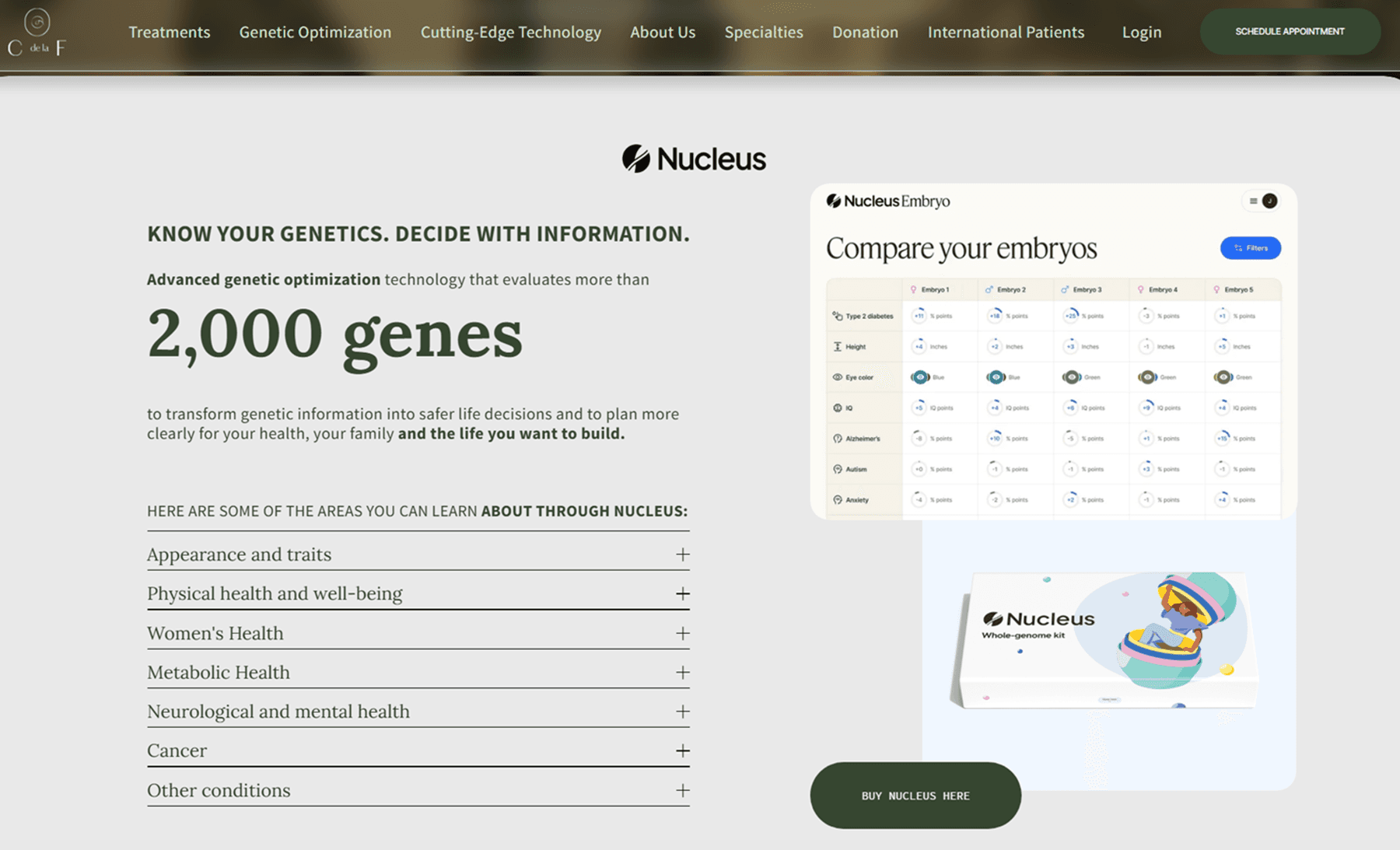
CdelaF has partnered with Nucleus, a U.S.-based fertility platform, to make advanced genetic optimization accessible to its patients. It’s the first fertility clinic in Latin America to offer Nucleus services for preconception genetic screening and data-driven embryo selection.
With this collaboration, CdelaF can help parents check if they're carriers of genetic variants associated with recessive or polygenic diseases, which can support further testing and embryo selection decisions. Embryos can also be assessed beyond viability for longevity markers and wellness traits such as type 2 diabetes, height, and IQ.
Source: CdelaF
2. Ingenes
Ingenes is one of the largest assisted reproduction networks in Latin America, with 15+ facilities across Mexico and two locations in the U.S. The network opened its primary location in Mexico City in 2005 and brings more than 20 years of experience.
Here’s a summary of Ingenes' main fertility services:
Service | Description |
|---|---|
Standard IVF | The conventional IVF method, including:
|
Sperm is carefully selected and injected directly into the eggs. | |
IVF with physiological intracytoplasmic sperm injection (PICSI) | This method can increase the likelihood of fertilization with ICSI. |
IVF ABC (mini/gentle IVF) | This low-impact IVF option reduces the need for injectable medication. |
IVF ROPA method (reciprocal IVF) | This method takes eggs from one partner in a same-sex female couple, while the other partner carries the pregnancy. |
IVF with PGT-A also allows for sex selection based on the chromosomal sex of the embryos. | |
PGT for aneuploidy (PGT-A) | PGT-A allows for the selection of chromosomally normal embryos, in addition to sex selection. |
PGT for monogenic disorders (PGT-M) | PGT-M identifies monogenic hereditary diseases. |
Ingenes’ Mexico City branch holds a 4.6 rating on Google, with reviewers frequently citing the team’s professionalism and kindness. One patient highlighted Dr. Perez’s thorough yet supportive approach, which helped them achieve parenthood after 14 years of infertility.
Source: MART PRODUCTION
3. Enlistalo Fertilidad
Enlistalo Fertilidad is a boutique practice led by Dr. Alejandro Castillo Peláez. He speaks both English and Spanish and specializes in gynecology and obstetrics, human reproductive biology, and reproductive endocrinology and infertility. The clinic offers seven IVF packages designed to address different diagnoses and needs:
Standard IVF cycle, including ICSI, fresh embryo transfer, and cryopreservation of embryos for two months
Standard IVF cycle with frozen embryo transfer (FET), including monitoring
IVF cycle with donor eggs, including eight eggs, stimulation medication, ICSI, embryo transfer, and cryopreservation for two months
IVF cycle with donor sperm, including one vial, monitoring, ICSI, and two-month embryo cryopreservation
IVF cycle with double donation, involving both donor eggs and donor sperm
IVF with sex selection, including PGT-A of up to eight embryos
Reciprocal IVF, including monitoring, ICSI, and embryo cryopreservation
The clinic also offers broader fertility treatment options and advanced diagnostic procedures, including hysteroscopy and biopsy for female patients and testicular biopsy for evaluating male factor infertility. In more complex cases of male infertility, the clinic offers surgical sperm retrieval techniques, including testicular sperm aspiration (TESA) and a less invasive method, testicular sperm extraction (TESE/PESE).
Enlistalo Fertilidad is recommended by many patients, who often highlight the team’s thoroughness, kindness, and accessibility. One international patient, in particular, shared a positive experience with Dr. Castillo after three failed IVF cycles in the U.S. Another patient praised the medical team and clinic staff for their compassionate approach throughout the process.
Enlistalo Fertilidad also offers patients the option to contact via SMS, call, or WhatsApp, which adds to the convenience.
4. Fertility Day
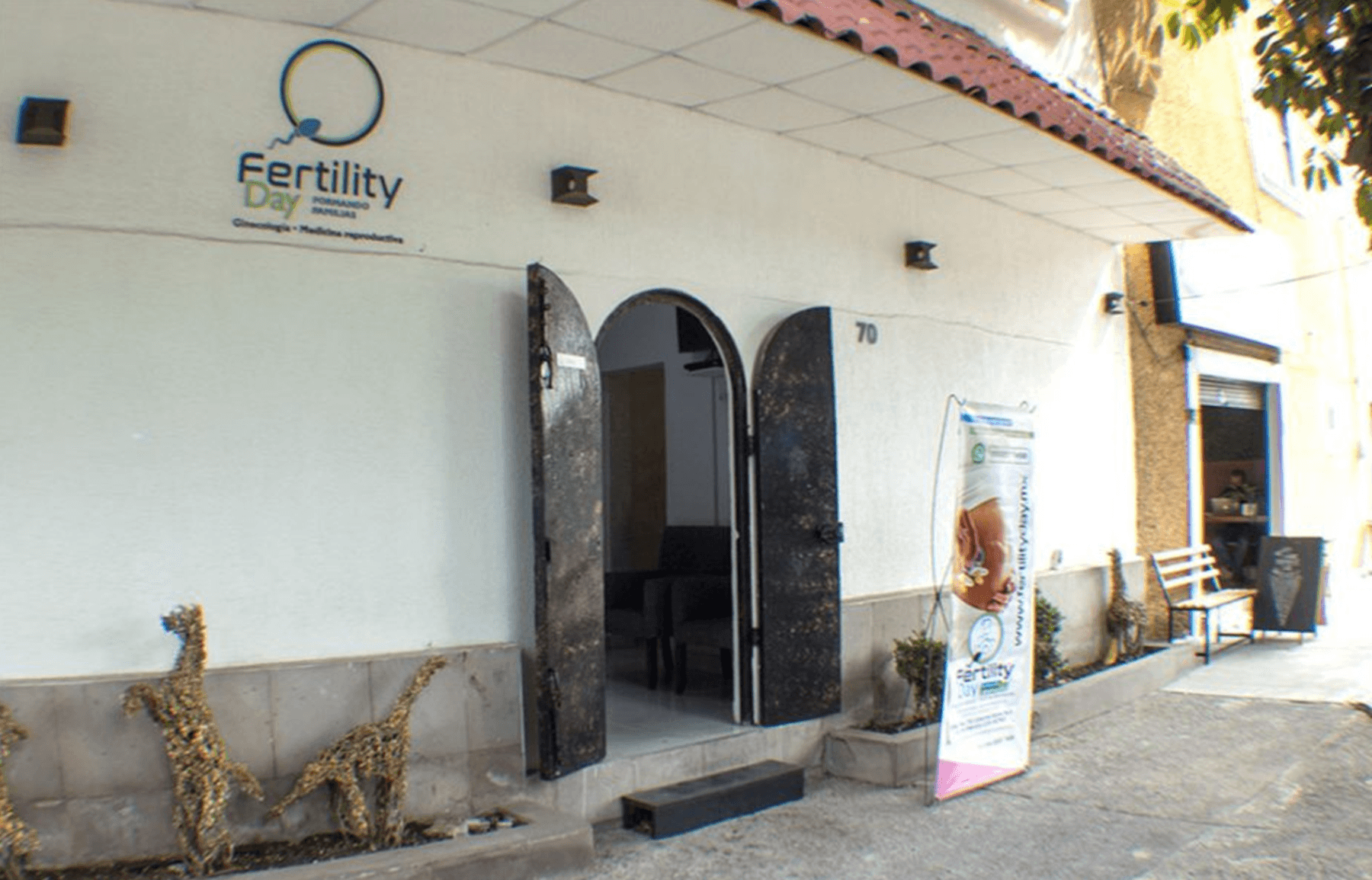
Dr. Jesús Guillermo Pérez Fonseca of Fertility Day is frequently mentioned in positive Google reviews, with patients highlighting his detailed approach, willingness to answer questions, and attentive care in high-risk pregnancies. The clinic holds a 4.8-star rating on Google and is often praised for the medical team’s involvement, dedication to each case, and overall compassionate service.
Source: Fertility Day
In addition to the highly praised Dr. Fonseca, Fertility Day’s medical team includes Dr. Patricia del Carmen Franco Castañeda, specializing in menstrual disorders, infertility treatment, and sexual dysfunction, and Dr. Adriana López, with expertise in prenatal diagnosis and genetic screening.
The clinic’s scope of care spans preconception, fertility treatment, and post-conception support. Services include:
Infertility diagnosis
IVF
IUI
Egg donation
Gynecological surgery, including laparoscopy and hysteroscopy
Pregnancy monitoring through to birth and pediatric follow-up
Fertility Day is located in the Cuauhtémoc borough of Mexico City, and it has waiting, operating, and recovery rooms, as well as a laboratory.
5. HOPE IVF
HOPE IVF, founded by Dr. Alejandro Chávez Badiola, operates three branches in Mexico:
Mexico City
Morelia
Guadalajara, Jalisco
Beyond conventional IVF, the clinic offers mini IVF, which uses minimal stimulation to reduce side effects, and all-inclusive IVF, involving full stimulation to increase the likelihood of fertilization.
The clinic relies on AI-driven analysis to support sperm and embryo selection and optimize IVF outcomes, alongside diagnostic tools such as the endometrial receptivity analysis (ERA® test), which identifies the optimal timing for embryo transfer.

Source: Hannah Barata
The clinic offers egg and sperm cryopreservation to support future parenthood planning for individuals who wish to better control their fertility timeline. Because the clinic prioritizes single-embryo transfer for more controlled family building, remaining embryos can be preserved through vitrification for future use.
Oncological patients can also access fertility preservation services before undergoing fertility-affecting treatments such as chemotherapy, radiotherapy, or invasive gynecological surgeries.
Patient reviews on Google frequently highlight the efficiency of the patient portal, which streamlines scheduling and communication with staff. One international patient shared that they received a same-day appointment without prior notice after experiencing a miscarriage during their stay in Mexico, noting the medical team’s bedside manner and approachability.
Finding the best fertility clinic in Mexico City
Searching for the right fertility center in Mexico City can quickly become overwhelming. Patients often find themselves comparing treatment protocols, evaluating success rates across treatment options, and managing fragmented logistical and clinical aspects while already carrying a significant emotional burden.
The challenges are all worth it once your IVF is successful. Advanced genetic testing can help you and your fertility team choose optimal methods and design tailored protocols, increasing the likelihood of having a baby. Nucleus carrier screening and embryo analysis can help you understand your genetic makeup and select the most suitable embryo for you.
Nucleus Embryo: A new lens to guide embryo decisions
For many people going through IVF, embryo screening ends with a simple label: “normal” or “abnormal.” But when you have two or more healthy embryos to choose from, that binary answer may not be enough.
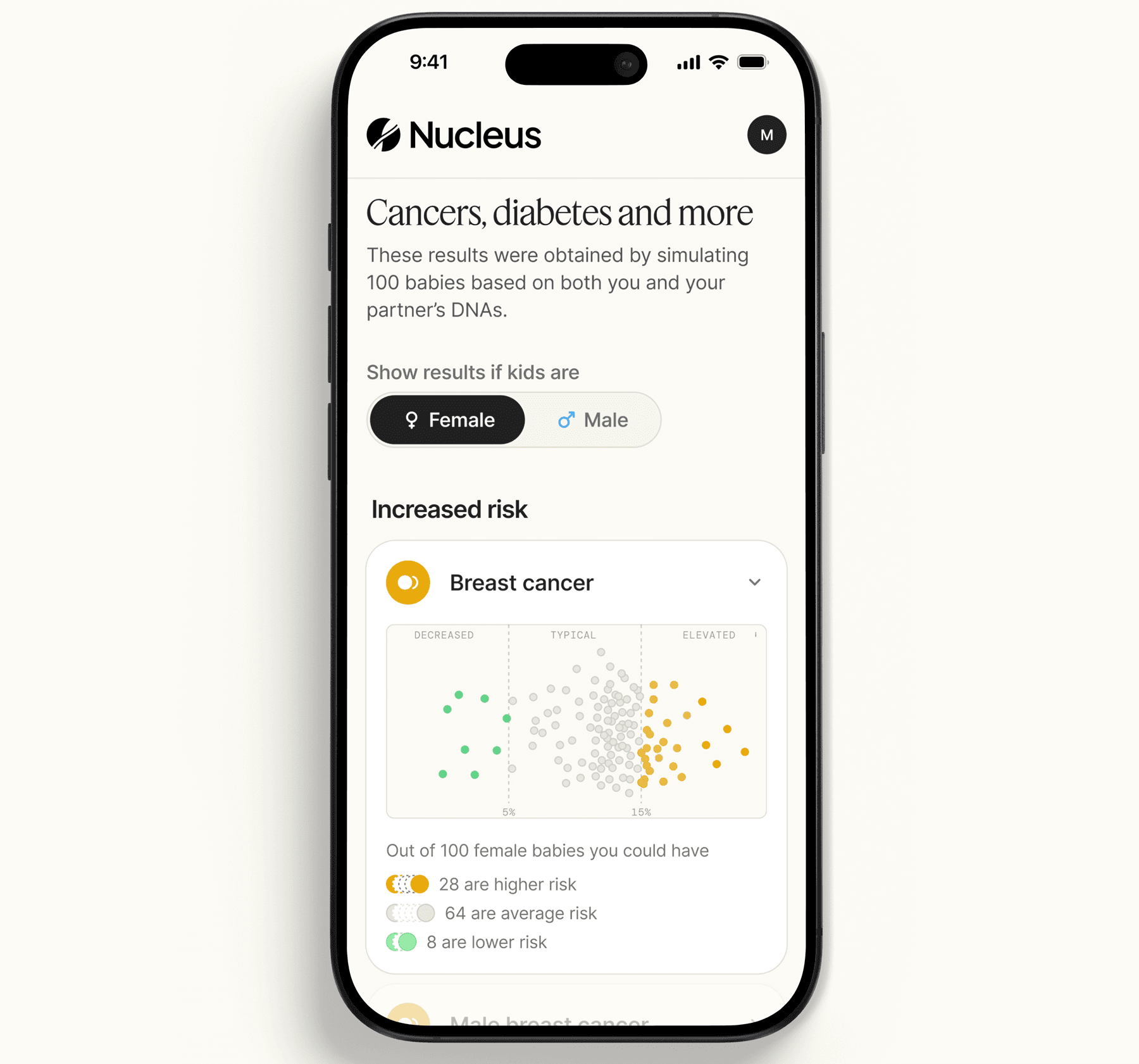
Nucleus Embryo is the first genetic optimization software that screens for long-term health, longevity, and traits. It uses the DNA your clinic has already collected to analyze each embryo’s full genetic profile, offering a deeper look into your potential child.
Nucleus uses your existing embryo data to analyze potential embryo health for complex, late-onset conditions like type 2 diabetes, coronary artery disease, ADHD, and depression. It also includes carrier screening that assesses over 2,000 genetic factors and diseases, including physical and well-being traits like eye color, height, and IQ.
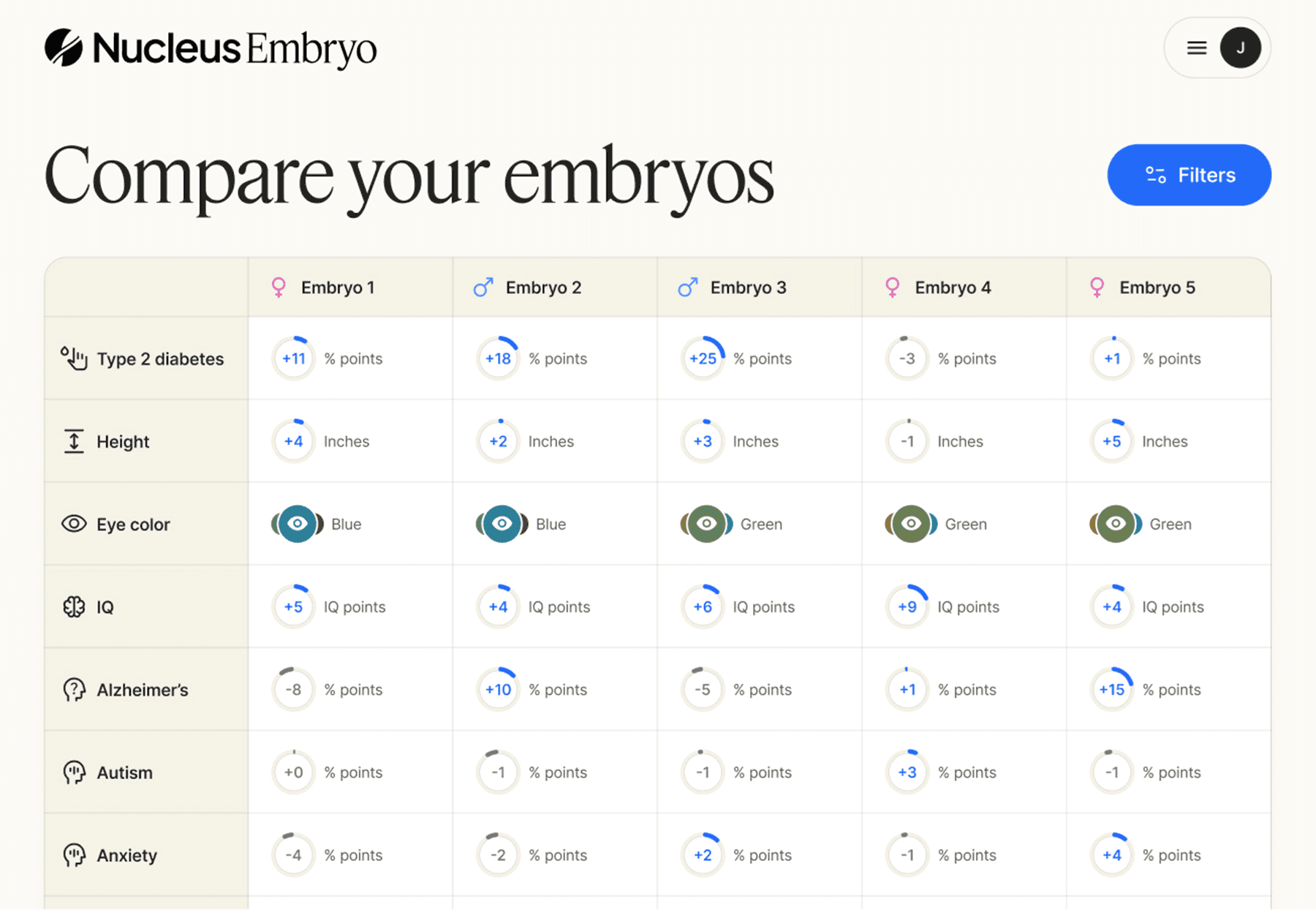
Nucleus works with several clinics in the U.S. as well as globally to make advanced embryo screening and genetic optimization software more accessible.
What genetics-optimized IVF with Nucleus looks like
Nucleus Embryo can support you before the implantation happens during IVF. Here’s a rundown of how the process works:
Talk to our counselors/your fertility clinic: Let your doctor know you’d like to use Nucleus and confirm which preimplantation genetic testing (PGT) lab your clinic works with.
Use your existing embryo testing results: Nucleus works with the genetic data already generated during embryo testing, so you can use results from your clinic’s PGT lab without additional procedures.
Screen for inherited risks together: Through Nucleus’ preconception genetic screening included with Nucleus Embryo, you and your partner can be tested for more than 2,000 genetic conditions and traits to better understand potential health risks.
Evaluate your embryos: Our advanced predictive models analyze your embryos’ genetic data so you can look at them side by side based on health insights, inherited conditions, and other traits.
Move forward with embryo transfer: Using these insights, you and your care team can select an embryo and proceed with implantation.
How you benefit from Nucleus may vary on a case-by-case basis. It’s best to talk to our specialist to discuss your available treatment options.
You may also like…
Featured image source: Thirdman